Sometimes the best things take time. Paisley Museum, a cultural institution that has anchored a Scottish town for over 150 years, is proving that patience pays off. After pushing past its original 2022 reopening date, this ambitious £68.7 million renovation is finally preparing to welcome visitors in 2026, emerging as a fundamentally reimagined space that honors the past while embracing the future.
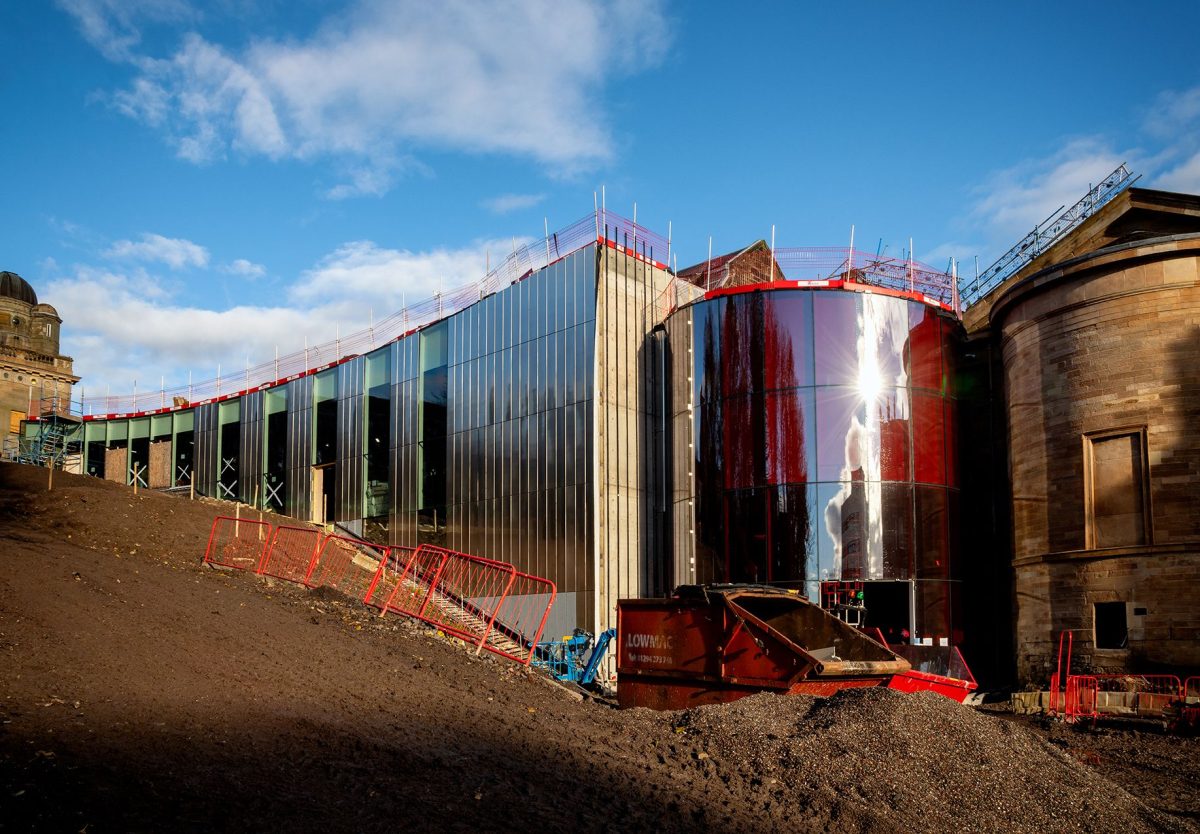
The delays stung. Supply chain disruptions from the pandemic, climbing construction costs, and inflation all conspired to push the project forward by four years. But what's emerging from the renovation is a building that looks radically different from what came before. The most eye-catching element? A bold, dramatic red-glass facade that now fronts the High Street, designed to evoke Paisley's fearless history and its instinct for reinvention. This isn't a timid facelift; it's a statement.
Architecture That Tells a Story
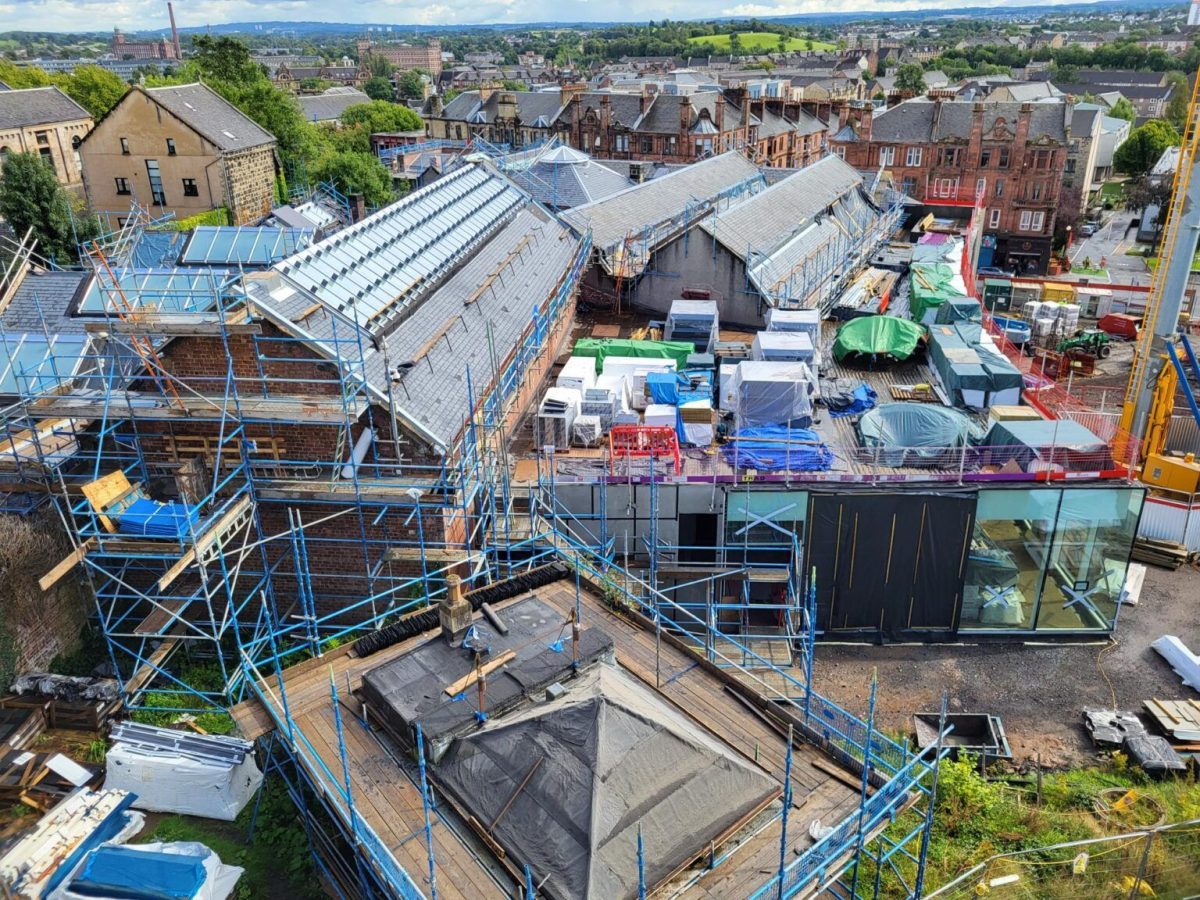
The red glass isn't just for show. Architects at international firm AL_A deliberately chose this color to reflect the town's radical spirit, a nod to centuries of textile workers, inventors, and thinkers who refused to stay quiet. The facade intentionally draws visitors in, creating what designers call a natural drift into the building rather than a formal entrance. Light floods through the new extensions, which bridge the gap between the restored historic structures and contemporary design without feeling jarring or out of place.
Two heritage buildings anchored this project. The main A-listed building and the Coats Observatory, Scotland's oldest public observatory, both underwent extensive restoration. Every effort was made to preserve their original character while upgrading systems, accessibility, and infrastructure for modern visitors. It's preservation with purpose.
What's Inside
The numbers are impressive. Exhibition space has doubled across every floor, with galleries now equipped to showcase everything from Paisley's weaving legacy to contemporary art. But square footage alone doesn't capture what makes this museum different. There's a dedicated weaving studio where visitors can engage with the craft that built this town. A planetarium-style learning space connects visitors to the cosmos. An archive center preserves documents and artifacts for researchers. Throughout the galleries, digital interactive experiences bring history to life rather than locking it behind glass.
A new garden and reimagined public spaces offer breathing room. A cafe and museum shop create reasons to linger. And there's something delightfully ambitious about the planned next phase: a new wing connecting the Coats Observatory to the main building, complete with a telescope for stargazing. Visitors will literally look up at the night sky from the very spot where Scottish scientists have studied it for generations.
A Town That Dreamed Big
Paisley's story is one worth telling. In the early 1800s, the weaving industry transformed this place into a prosperous hub of innovation and ambition. That prosperity sparked something deeper: a hunger for knowledge. The Paisley Philosophical Institution, founded in 1808, began offering public lectures and collecting scientific instruments and books. Education wasn't meant to stay locked in lecture halls for the wealthy; it belonged to everyone. By 1867, when wealthy manufacturer Sir Peter Coats offered to finance a dedicated museum building, the community had already proven it could think big.
The museum that opened in 1871 was built by and for the people of Paisley. Now, more than 150 years later, it's being rebuilt with that same spirit intact. OneRen, the local cultural charity operating the museum, is aiming for 125,000 visitors annually and already has ambitions to establish it as one of Europe's leading cultural destinations. That's not empty boasting. The museum has already claimed an international award, beating out Spain's Prado Museum for the AR Future Project Award, a recognition of its innovative approach to heritage and visitor experience.
Plan Your Visit
Located just outside Glasgow, Paisley Museum sits perfectly positioned for travelers exploring Scotland's southwest. The renovation is expected to complete in 2026, so add it to your future itinerary. When it opens, you'll find a place that takes its history seriously but refuses to be trapped by it. The red glass facade will be impossible to miss. Step inside, and you'll walk through centuries of Scottish ingenuity, from textile artistry to astronomical discovery, all presented in galleries designed for the curious mind.