The bulldozers have moved in. Center Parcs just broke ground on its first Scottish resort near Hawick, a town nestled in the southern borders about 75 minutes from Edinburgh and just under two hours from Newcastle. What's emerging won't be your typical hotel development. Instead, 700 rental lodges will anchor a 450 million pound investment (roughly 518 million euros) that promises to reshape the local economy and create 1,200 jobs in a region that's seen better days.
Hawick was once the beating heart of Scotland's textile industry. These days, like many post-industrial towns, it's hunting for its next chapter. If forecasts pan out, Center Parcs could deliver it. The resort expects to pull 350,000 visitors annually while injecting 75 million pounds (86 million euros) into local coffers each year. That kind of influx matters in a place where opportunity has been scarce.
Building a forest from scratch
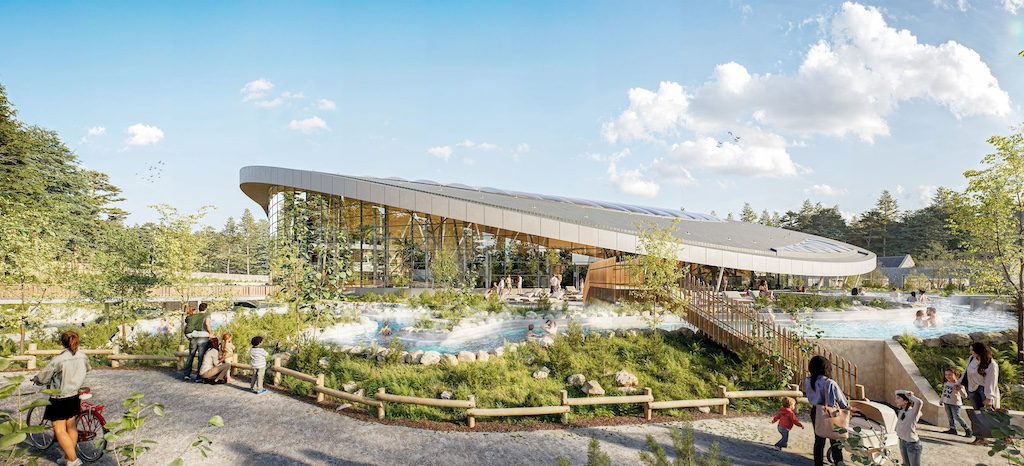
What makes this project unusual is that Center Parcs isn't simply converting existing land. The company is planting an entirely new forest to build within, a first for the operator. The village will include a man-made loch, a subtropical swimming complex, spa facilities, restaurants, and retail shops, all woven into the woodland setting. For families seeking nature-based escapes closer to home, the appeal is obvious. You're getting a manicured nature experience without flying.
The Scottish government is backing the venture with 40 million euros in funding, signaling serious confidence in the project's potential. When First Minister John Swinney joined Center Parcs boss Colin McKinlay for the ceremonial tree-planting, he framed it as transformational for south Scotland. At least 30 percent of the jobs created are expected to go to people aged 16 to 24, addressing youth unemployment that's been stubborn in rural areas.
Where the friction begins
Here's where things get complicated. Local councils approved the development in December 2025 despite legitimate environmental concerns. Flooding risks, light pollution, wildlife habitat loss, and traffic congestion all made the rounds during planning debates. But one issue cut deeper than the rest: the right to roam.
Scotland's Land Reform Act of 2003 enshrines something many countries don't offer: statutory public access to most natural land for walking, cycling, and other non-motorized activities. It applies to coastlines, forests, hills, and paths, provided visitors follow the Scottish Outdoor Access Code. This isn't mere policy. It's woven into the region's identity, particularly in the borders, where centuries-old memories of forced land clearances still sting. Thousands of cottage farmers were displaced during the brutal "Lowland Clearances," and closing off land to public access triggers something primal in Scottish consciousness.
The business model versus tradition
Center Parcs built its reputation on a very specific formula: single-entry, enclosed environments designed to feel like nature sanctuaries where guests can escape the outside world. No cars cluttering the village. No strangers wandering through. One point of control. The model works brilliantly for the company because guests spend their money within the resort rather than driving into nearby towns for meals, activities, and entertainment. It's a self-contained ecosystem that maximizes revenue.
But that model fundamentally conflicts with Scotland's right-to-roam ethos. The resort will restrict public access to most of its grounds, a compromise that locals haven't exactly embraced quietly. The tension is real and raises genuine questions about whether large-scale tourism developments can coexist with deeply held community principles around land access and ownership.
The project will move forward regardless. For Hawick and the surrounding region, the economic injection could prove essential. For Scotland as a whole, it represents a different kind of tourism growth, centered on nature-based stays rather than cities. Whether visitors will appreciate being gently cordoned off in their forest paradise, or whether the right-to-roam controversy will linger, remains to be seen. The resort is expected to welcome its first guests sometime after its completion.