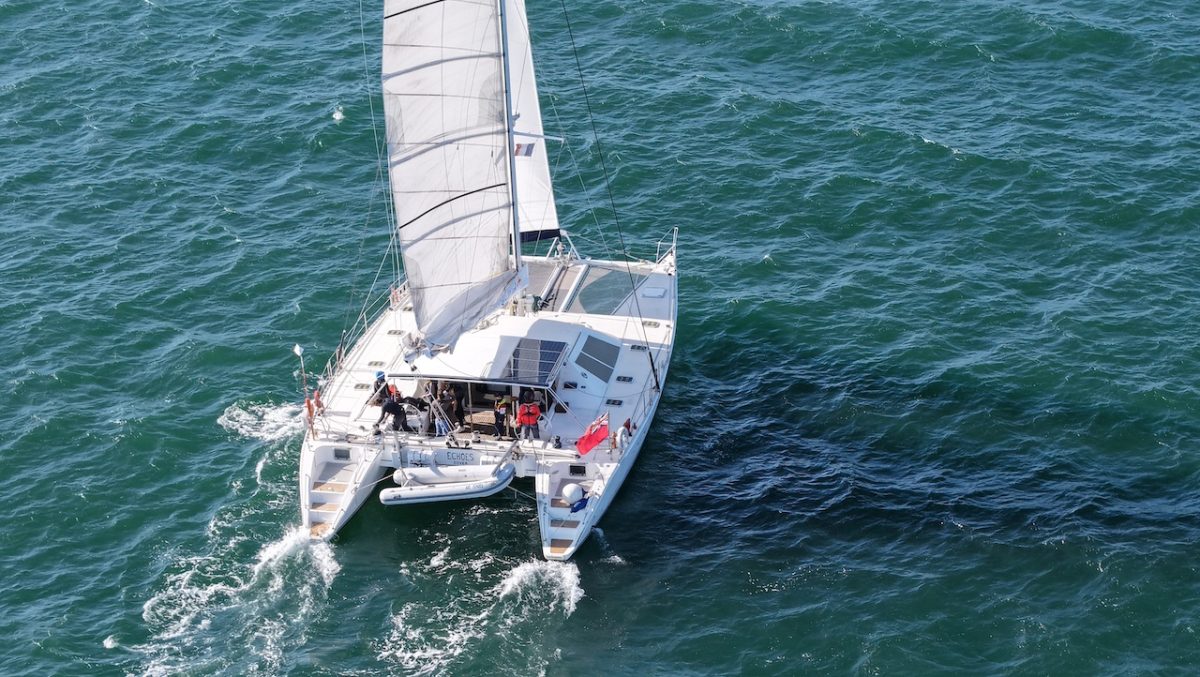
Forget airport security lines and the anonymous shuffle of a conventional ferry terminal. In 2026, SailLink is bringing something rare back to Channel travel: actual adventure. The UK-based company is doubling its wind-powered catamaran crossings between Dover and Boulogne-sur-Mer, offering six to eight sailings per week aboard its elegant 17-metre vessel, Echoes.
Last summer marked SailLink's debut, with around 450 passengers discovering that crossing the Channel by sail is not just possible, it's extraordinary. Reviews speak volumes. One passenger, Anna H, called it "an exhilarating and refreshing way to travel, in tune with the rhythm of the waves and with the chance to spot wildlife." Another, Sarah H, praised how the crew transformed her seven-year-old son's voyage into what felt like a genuine expedition, even letting him steer the boat.
How It Actually Works
The journey takes between three and five hours depending on wind conditions. Yes, that's longer than a flight. That's precisely the point. The catamaran relies on wind for roughly 70 percent of each crossing, making it one of the lowest-carbon ways to reach France. Complimentary pastries and coffee come aboard (sea-sickness tablets too, for honesty's sake).
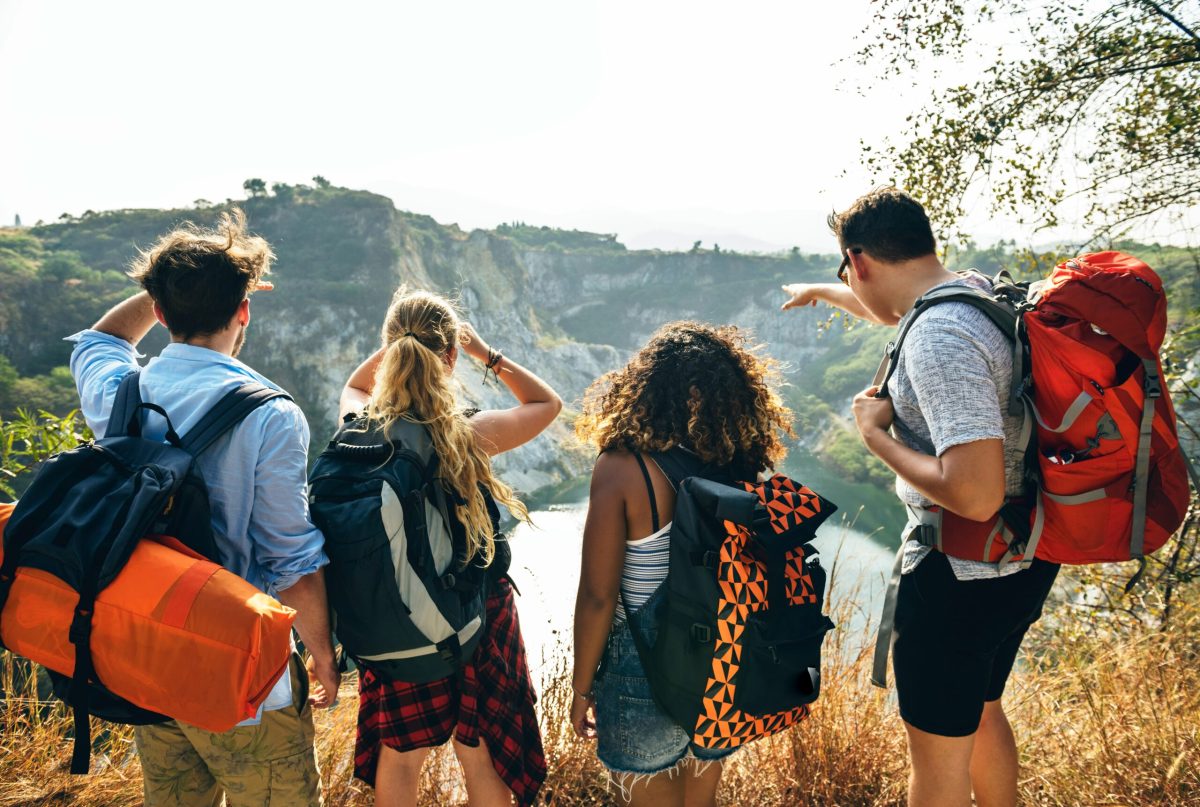
Capacity is intentionally intimate: up to 12 passengers at a time. The boat welcomes cyclists, hikers, and foot passengers with their bikes and carry-on luggage. No cars. No trucks. Just people who've decided their journey deserves to be part of the story, not something to endure.
Why This Matters Beyond the Novelty
Andrew Simons, SailLink's founder, nailed it when he said passengers are "eager to put adventure back into their journey." But this isn't nostalgia dressed up as sustainability. The company is using 2026 to prove a genuine point: low-carbon transport works, and it works now. This isn't theoretical. This isn't a pilot scheme. Real people paid real money last year and came back raving.
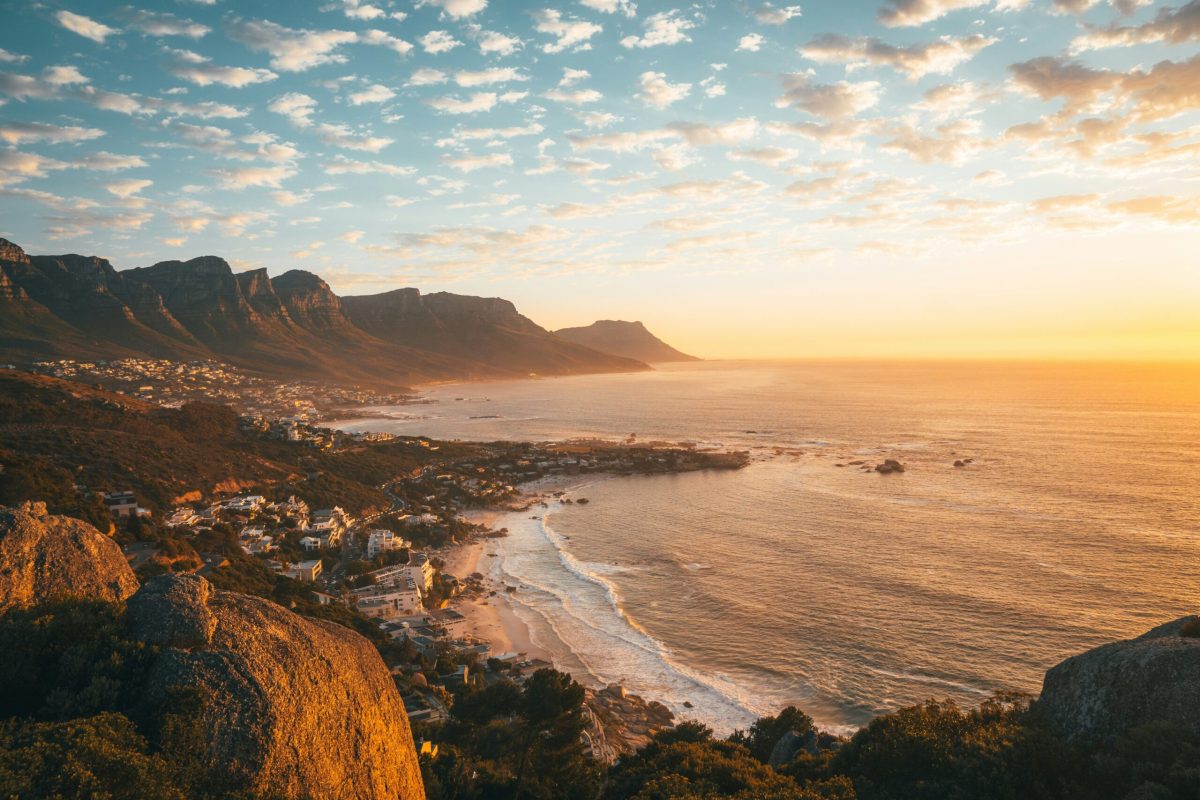
The vessel has been upgraded with technical refinements and better navigation systems. The company is also becoming an official ambassador for the Cross-Channel Geopark, currently seeking UNESCO status. The park celebrates the geology linking Kent's White Cliffs of Dover to France's Côte d'Opale, connecting chalk formations that were once part of a continuous mountain range before a prehistoric megaflood carved out the Channel around 450,000 years ago.
The Practical Stuff You Actually Need
Border formalities move faster when you're not herding thousands of people through sterile hallways. The small passenger numbers mean cooperative customs officers actually have time to be helpful. You disembark onto a pontoon. No queues. No stress. No feeling like cattle.
One-way fares start at around €35 for children and €98 for adults, with discounts for under-26s. The season runs April through October, making it ideal timing for cyclists heading to the Marathon de la Mer each May or hikers tackling the Trail Côte d'Opale in September.
You can participate actively in the sailing or simply sprawl on the forward trampoline with a pastry and watch the horizon. Both options are absolutely valid.
This is what modern travel can look like when someone decides to do things differently. Not for Instagram points or carbon-neutral branding exercises, but because the old ways of crossing a small body of water are suddenly absurd when a better option exists. SailLink proved it last year. 2026 is when the rest of us get the chance.