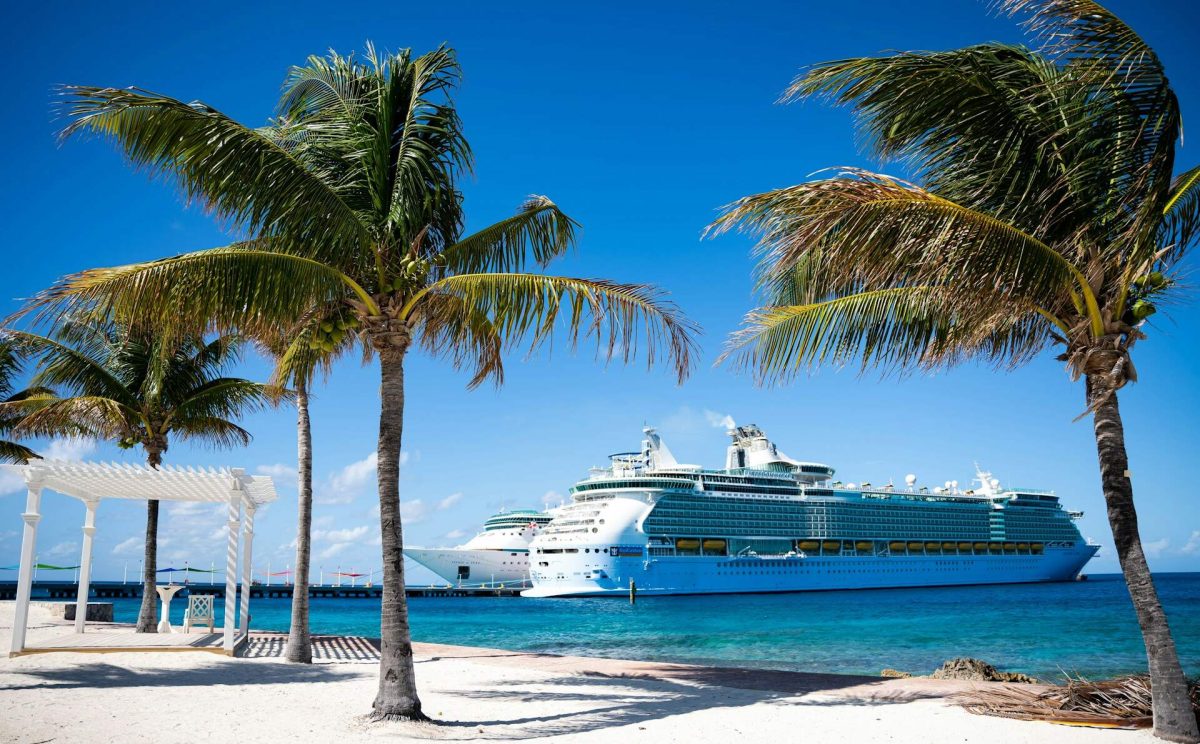
Royal Caribbean made a big move this week. The cruise giant signed on with Chantiers de l'Atlantique (CdA), a legendary French shipyard, to build two entirely new Discovery Class vessels. The first ship hits the water in 2029, with a second following in 2032. There's also an option for four more after that, which should tell you something about how confident the company feels.
So what's the actual point of these ships? According to Jason Liberty, Royal Caribbean's CEO, the Discovery Class represents "what's possible when design meets purpose." That sounds like corporate speak until you dig into the details. Michael Bayley, the line's president, put it more plainly: these ships are "meant to put guests at the centre of it all," with features designed to surprise travelers in ways they haven't experienced before.
Why This Partnership Matters
CdA isn't just some random shipyard. The company built Royal Caribbean's iconic Sovereign Class ships back in the 1980s and has delivered countless vessels since, including the massive Oasis-class ships that basically redefined what a cruise ship could be. They've also built Celebrity Cruises' Edge Series. This is a team that knows how to construct the future of ocean travel.
What makes CdA particularly interesting right now is their work beyond cruising. They're pioneering energy transition technology and designing offshore wind components. That expertise directly applies to building the next generation of cruise ships that won't destroy the planet while carrying 5,000 passengers across the Atlantic.
The Real Game-Changer
Here's what caught our attention: these Discovery Class ships are specifically designed to access more ports, particularly throughout the Mediterranean and Alaska. They'll also be capable of transiting the Panama Canal. That last bit matters more than it sounds. Right now, many of Royal Caribbean's largest vessels spend weeks repositioning between cruising regions. Smaller ships that can squeeze through the Canal mean travelers spend more time actually visiting destinations instead of watching the same ocean.
The company revealed this detail during a Travel Weekly webcast, and it signals a shift in how cruise lines are thinking about routes. Instead of building bigger ships that can only dock at major ports, Royal Caribbean is betting that flexibility and accessibility will matter more to future travelers.
What's Coming Beyond 2029
This new ship project is just one part of Royal Caribbean's larger expansion plan. The company currently operates 69 ships visiting over 1,000 destinations across all seven continents. By 2028, they're adding more vessels across their different brands. They're also growing their "Perfect Day" and "Royal Beach Club" land-based experiences from three locations to eight.
Celebrity Cruises, which is part of the Royal Caribbean Group, will launch its first river cruise offering in 2027. That's a completely different market, which signals the company is diversifying beyond traditional ocean voyages. Some travelers prefer the intimacy and cultural immersion of river cruising. Royal Caribbean is betting enough people do to justify entering that market.
Laurent Castaing, CdA's CEO, framed the partnership as an opportunity to "showcase the future of shipbuilding." He's right. What happens in these French shipyards over the next five years will influence how ocean travel works for decades. The Discovery Class ships represent a bet that the cruise industry's future isn't about building bigger, but smarter.
For travelers, that could mean more options for where you actually go, better ship design focused on your experience rather than maximum capacity, and vessels that can reach ports larger ships can't touch. The first Discovery Class ship arriving in 2029 will be worth watching closely.