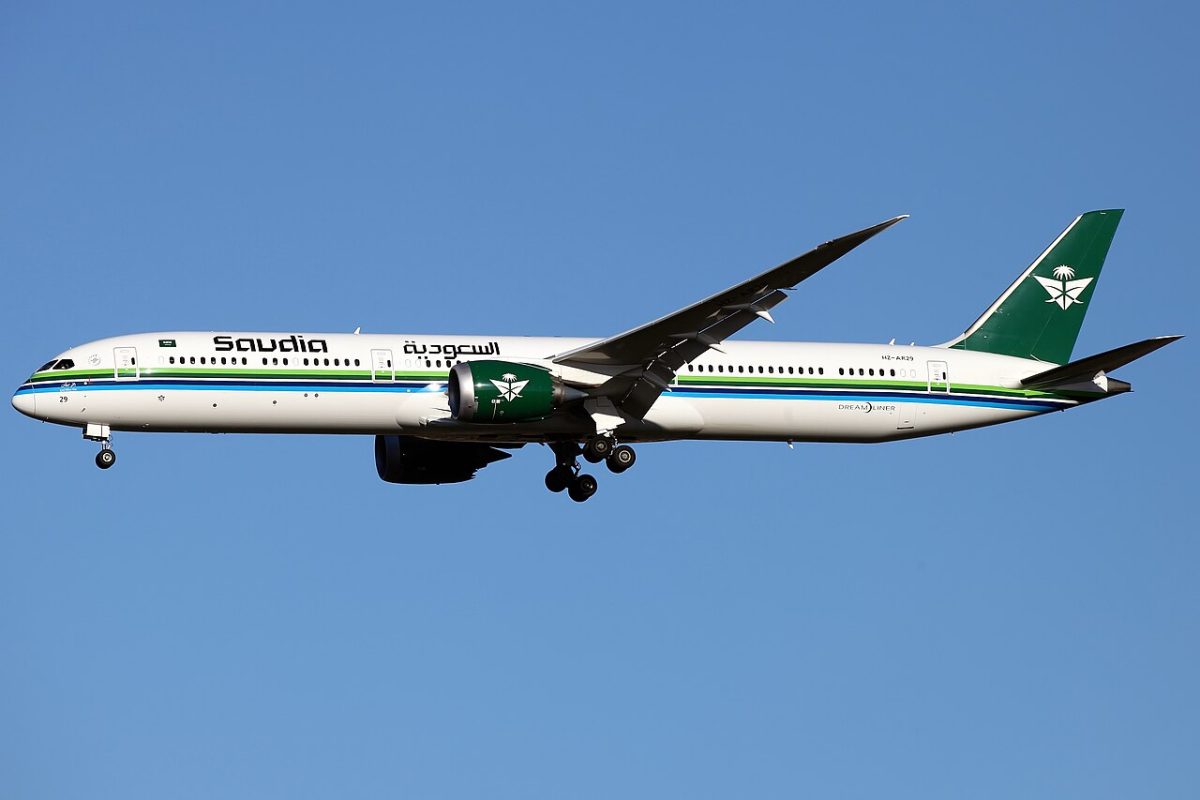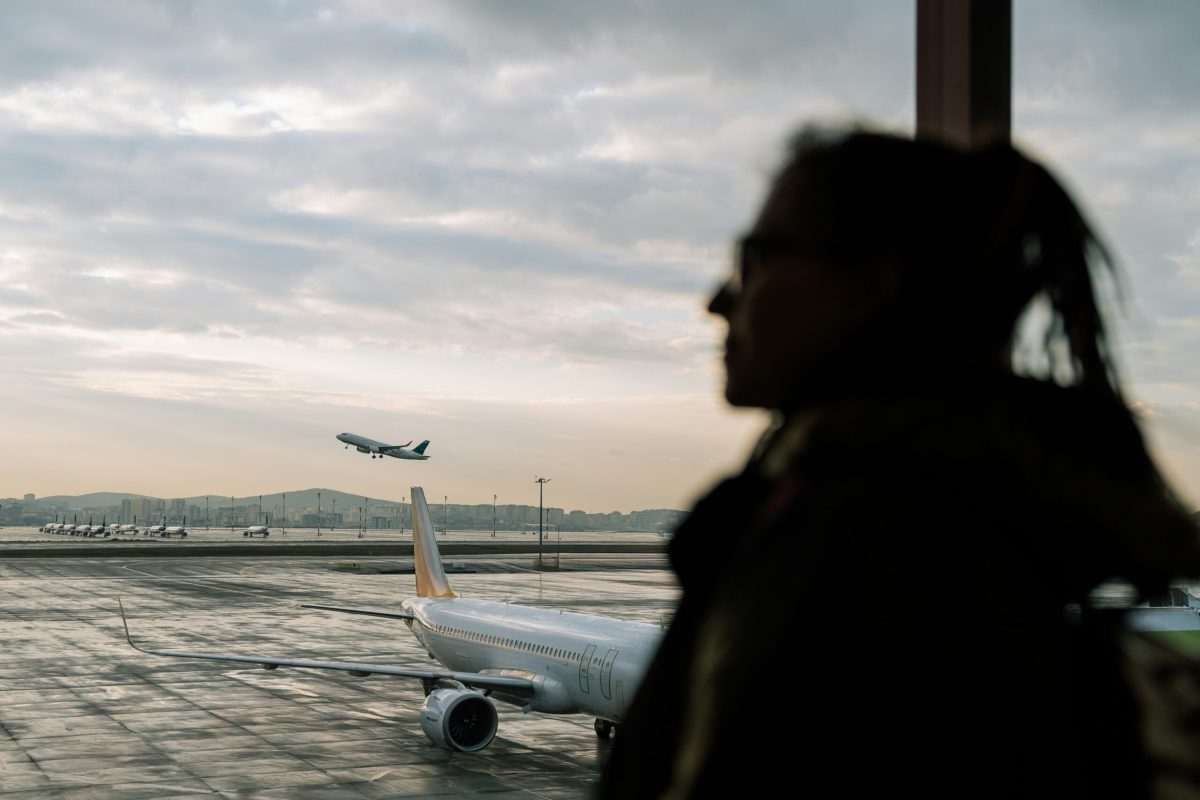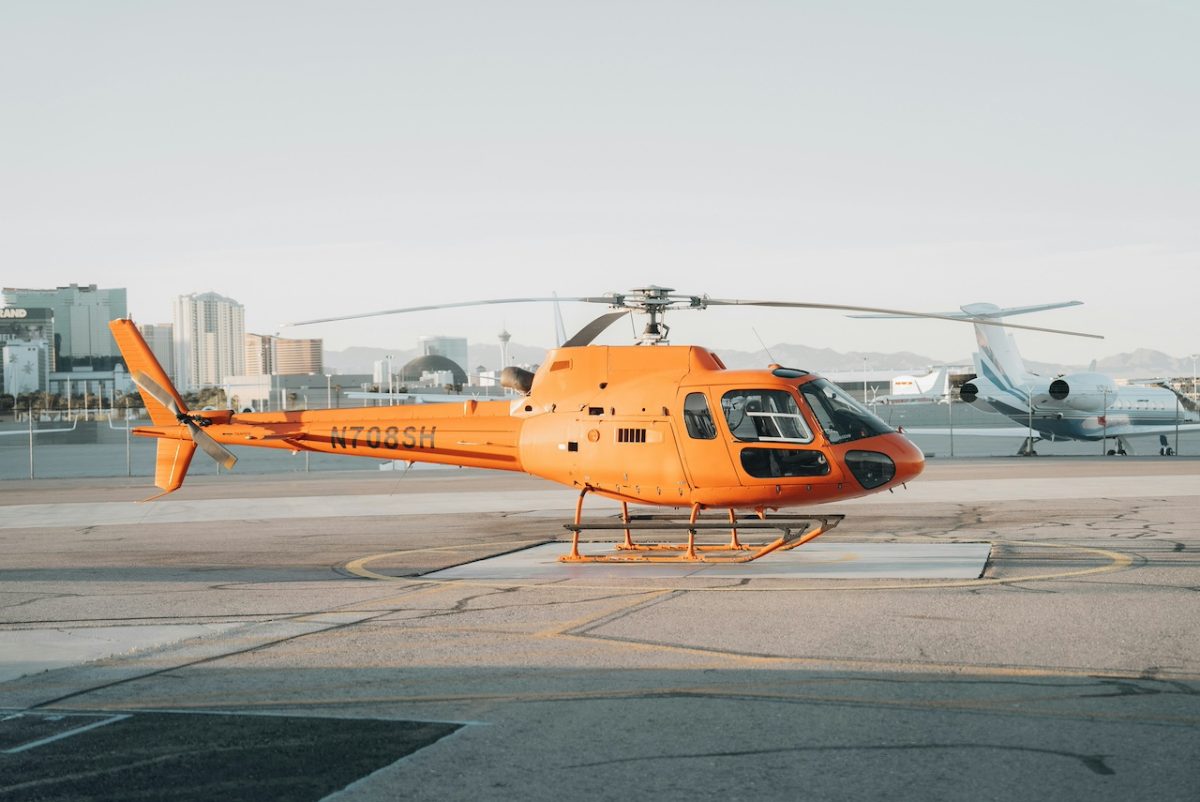
On a January evening in 2025, a regional American Airlines jet and a US military Black Hawk helicopter collided in the skies above the Potomac River near Ronald Reagan Washington National Airport. The impact sent both aircraft into the water below. Sixty-seven people died. The tragedy exposed a dangerous crack in American aviation safety that regulators had overlooked for decades.
The FAA's response came 14 months later. In March 2026, the agency announced a fundamental shift in how it manages the airspace where helicopters and commercial jets intersect. Controllers will no longer depend on pilots to spot and avoid each other through visual observation. Instead, radar now actively monitors separation distances between all aircraft operating near busy airport hubs.
The old system relied on air traffic controllers giving verbal warnings and instructions, trusting pilots to look out their windows and maneuver accordingly. It sounds simple enough. It worked, mostly, for many decades. But the numbers tell a different story. At Ronald Reagan Washington National Airport alone, investigators uncovered over 15,000 separation incidents between commercial jets and helicopters. Of those, 85 were dangerously close calls. The system was quietly failing, and nobody was talking about it.
The FAA announced the rule change on March 18, 2026, stating that controllers would now use radar to maintain specific lateral or vertical distances between aircraft. Bryan Bedford, who took the helm as FAA administrator in July 2025, acknowledged the core problem: the agency had been over-reliant on the 'see and avoid' principle that placed too much burden on individual pilot awareness. The new approach shifts responsibility to the ground, where trained professionals with sophisticated equipment can monitor everything happening in that airspace.
This wasn't an instant overhaul. After the Potomac collision, temporary restrictions on helicopter routes were implemented at Reagan Washington National, Washington Dulles, and other airports with heavy helicopter traffic. Those changes created a buffer zone, increasing separation between rotorcraft and traditional fixed-wing aircraft. The radar requirement takes that concept further, moving toward a comprehensive, tech-driven safety net that removes human error from the equation.
For most travelers, the change will be invisible. You won't notice radar tracking your flight. But if you've ever watched helicopter tours from the ground near a major airport, or if you regularly fly into hubs like New York, Los Angeles, or Washington DC, this matters. It means your aircraft and the helicopters sharing that airspace are being monitored with precision instruments rather than naked eyes. It means the odds of a catastrophic collision just dropped significantly.
The tragedy also raised questions about airport operations more broadly. Problems in one system often reveal cracks elsewhere. While the FAA addressed helicopter safety, other airports faced their own challenges. Earlier disruptions at several major US airports highlighted infrastructure vulnerabilities that affect passenger experience every single day.
The new radar monitoring requirement rolls out across all major US airports with mixed airspace operations. Implementation was gradual, but by 2026, it became standard practice nationwide. Controllers received updated training. Airlines and helicopter operators adjusted procedures. The system, which once seemed impossible to improve, quietly became smarter.
One year later, the number of separation incidents near Reagan Washington National had dropped measurably. The system works. The cost of that knowledge was high, paid in lives lost and families grieving. The challenge now is ensuring that lessons learned don't fade, and that complacency doesn't creep back in. Aviation safety depends on constant vigilance and willingness to change when data shows something is broken. This time, regulators listened.