You've experienced a flight delay blamed on a thunderstorm or unexpected snow. But here's something most travelers never think about: a perfectly clear, scorching summer day can ground an aircraft just as effectively. When thermometers climb toward 115 degrees, physics takes over, and airlines are forced to make uncomfortable decisions.
The problem boils down to air density. Warm air is thinner than cool air, which means less lift under the wings and weaker thrust from engines at the precise moment aircraft need maximum power most. Think of it like running a sprint in humid heat versus crisp autumn air. Your body works harder and gets less distance. Jet engines face the same challenge.
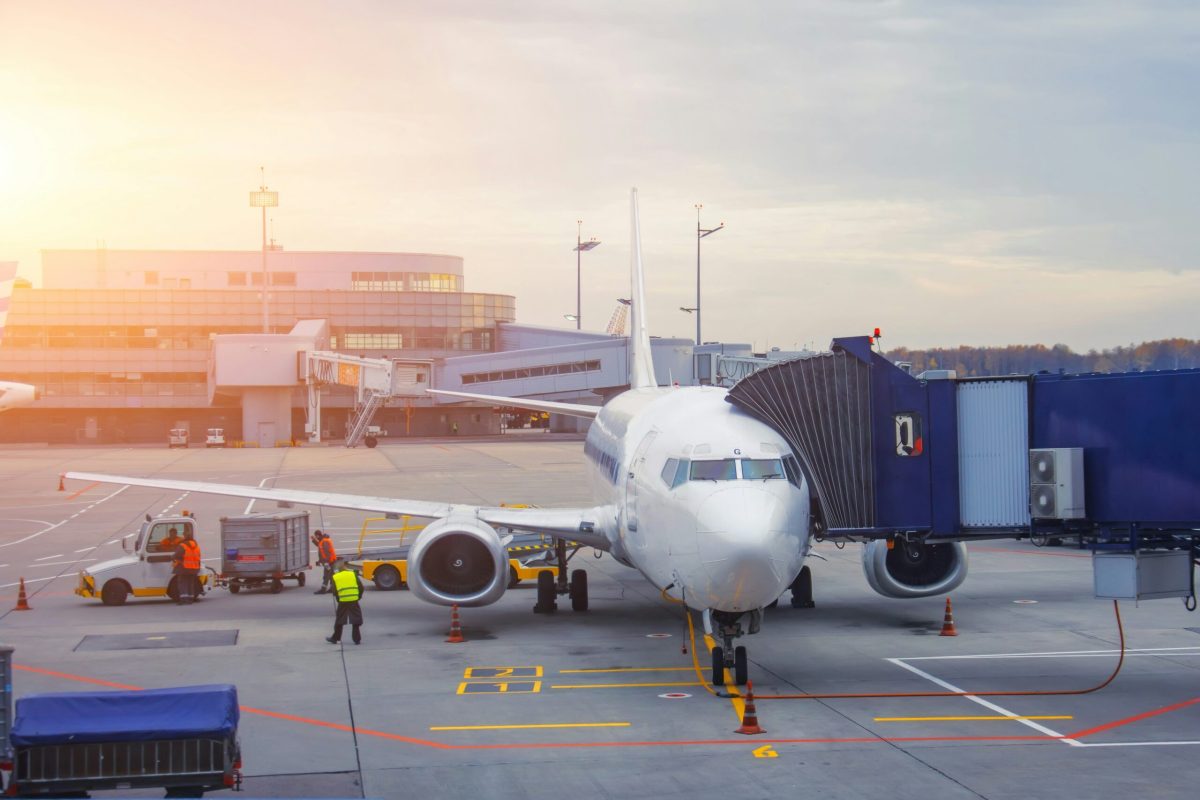
In August 2023, American Airlines passengers at Las Vegas' Harry Reid International Airport discovered this the hard way. Temperatures hit 114 degrees Fahrenheit (47 Celsius), and the airline offered travel vouchers to volunteers willing to take a later flight. The airline confirmed this wasn't a choice but a safety requirement. When conditions are extreme, reducing aircraft weight by cutting passengers, cargo, or fuel isn't optional,it's mandatory physics.
The Airports That Sweat the Most
Not all airports face equal risk. The FAA doesn't set a single temperature threshold for all flights, since takeoff limits depend on aircraft type, weight distribution, runway length, and elevation. But certain locations are more vulnerable.
Desert hubs like Phoenix, Las Vegas, and Palm Springs are obvious candidates. Phoenix Sky Harbor has logged over 43 days annually above 110 degrees since 2020, triple its average from the mid-20th century. Las Vegas averaged 18 such days from 2020 to 2025, double what it saw in the 1940s and 1960s. Palm Springs hit 110 degrees or higher on 55 days this decade, an 83 percent jump from the 2000s.
But heat isn't the only factor. Airports at high elevation operate in thinner air already, which compounds heat problems. Denver's elevation puts it at risk. So do New York's LaGuardia and Washington's Reagan National airports, where shorter runways leave less room to accelerate and build speed before lifting off. A plane needs that distance more desperately on scorching days.
European holiday destinations face emerging threats too. Research from the University of Reading, published in the journal Aerospace, modeled what happens by the 2060s. Shorter-runway airports in Greece (Chios), Italy (Pantelleria, Rome Ciampino), and Spain (San Sebastian) could face pressure to reduce maximum takeoff weight by roughly 10 passengers during summer months. That's not theoretical,it's a forecast based on climate projections and runway physics.
What Climate Change Means for Summer Travel
A 2017 study combining research from Columbia University and NASA's Goddard Institute for Space Studies painted a sobering picture. By mid-century, if emissions keep rising, 10 to 30 percent of daytime flights from some airports could face takeoff weight restrictions. The worst impacts would hit hotter airports, those at higher elevations, and facilities with shorter runways.
Airlines are taking this seriously because the data is undeniable. Airport infrastructure and operations,paved surfaces, limited shade, constant vehicle movement, and cooling systems,turn many facilities into some of the hottest zones in their cities. That means heat doesn't cool down as fast as the surrounding area, and runway delays can cascade into evening schedule chaos.
What This Means for Your Next Summer Flight
Heat delays look different from storm delays. Your flight might board on schedule, then the crew announces they need volunteers to take a later departure. Or you'll learn your checked baggage is being removed. Or the fuel plan changes to accommodate lighter loads. It's not dramatic, but it's disruptive.
Smart travelers on hot-weather routes should book early morning or evening flights when temperatures are lower. The afternoon peak is when problems multiply. Airlines may also begin restructuring summer schedules to add fuel stops, spread passengers across more flights, or shift peak travel to cooler parts of the day.
For destinations built on summer tourism, this creates a triple squeeze. They're managing extreme heat, traditional air traffic control limits, and staffing constraints all at once. Rising costs from frequent weight restrictions and extra fuel stops could trickle down to passenger fares, especially on peak-season routes. That means your beach vacation might cost more and involve more layovers.
The uncomfortable truth is that climate change isn't just affecting Western Europe's summer travel plans or threatening water supplies at popular destinations. It's rewriting the physics of flight itself. Summer flying is becoming less predictable, more expensive, and increasingly dependent on the time of day you choose to travel. For now, the best strategy is flexibility, early bookings, and accepting that clear blue skies can be just as disruptive as any storm.