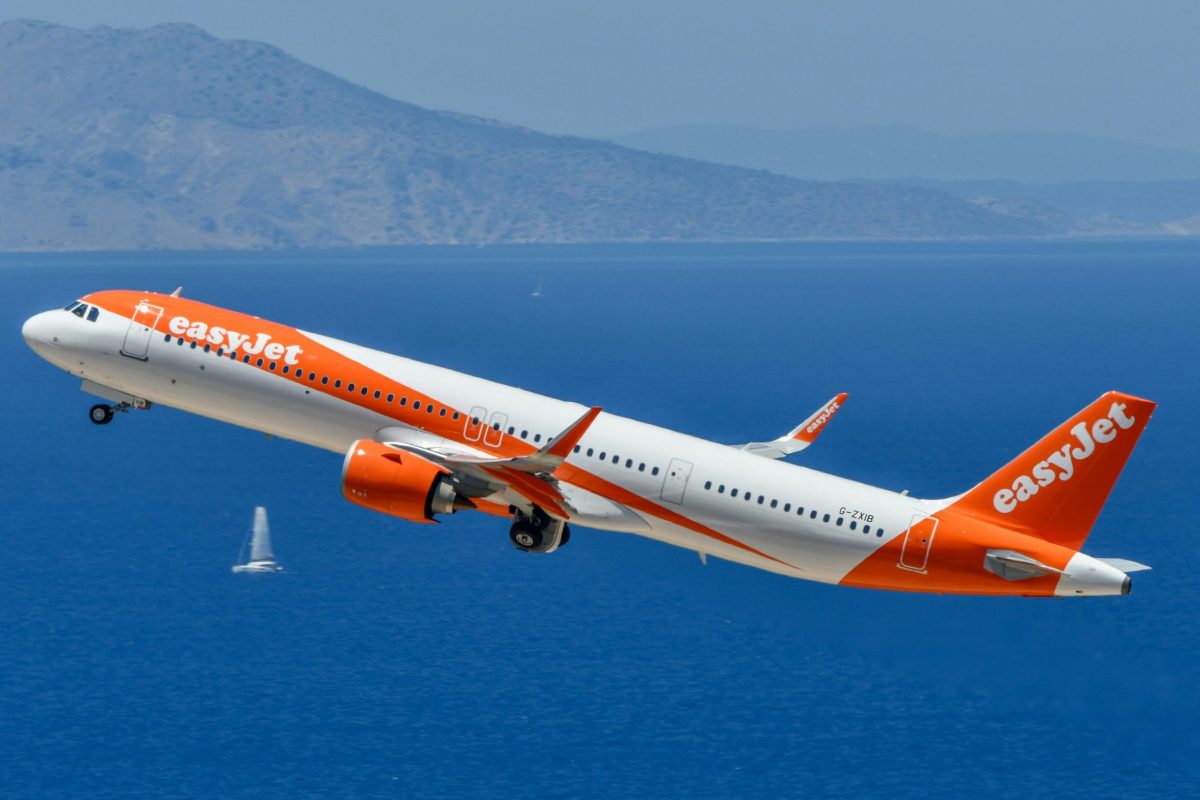
easyJet is about to trade its British roots for an American flag. Private equity firm Apollo has won the bidding war for the budget carrier, and shareholders have given the green light to a £5.7 billion deal (around €6.83 billion). The move marks the first time the airline, founded in 1995 by British Cypriot entrepreneur Sir Stelios Haji-Ioannou, will fall under US control.
Haji-Ioannou, who still holds 15% of the company, backed Apollo's offer. That support came after easyJet brushed off a rival bid from Castlelake, another US investment firm, which the airline called "highly opportunistic" and accused of trying to buy it "on the cheap." Management had blamed geopolitical headwinds for what it described as a temporary dip in value.
Now, with more than 97% of shareholders voting in favor, the takeover is set to close by the end of the first quarter of 2027. But the deal isn't landing without turbulence. European Union regulations require any airline operating routes from EU bases to be more than half owned by EU states or nationals, and at the voting meeting, easyJet reported that only 35.07% of its shares were held by EU citizens. That could complicate things down the line.
Unions are also grumbling. They worry that American ownership could weaken employee rights and the airline's long-term resilience. Apollo has said it won't cut jobs in the first year after the deal closes, but separately, easyJet confirmed plans to trim up to 50 head office roles. A spokesperson framed it as part of staying lean: "Our people are integral to easyJet's success, and as a low-cost airline, we always operate efficiently so we can keep fares low for our customers."
For travelers, the immediate picture looks stable. Apollo, which will own easyJet through its Eagle Bidco arm, has promised to keep the branding, the headquarters location, and the current strategic direction. That means doubling down on easyJet holidays, refreshing the fleet, and revamping loyalty and ancillary products. The airline also recently announced a partnership to bring Starlink Wi-Fi to every seat, a move that could make flights feel a lot more connected. If you're curious about that upgrade, check out easyJet's Sky-High Upgrade Brings Starlink Wi-Fi to Every Seat.
The bigger question is what this means for fares. Michael O'Leary, the outspoken CEO of Ryanair, has warned that 2027 could bring some of the steepest ticket price hikes in history, citing the Middle East oil crisis and a wave of consolidation across the aviation sector. With easyJet going private and other carriers merging, the competitive landscape is shifting. If you're planning to fly in the coming years, it might be worth locking in deals early. For now, budget travelers can still find plenty of options, as seen in 47 New Budget Routes Just Dropped for Summer 2027.
This buyout also continues a post-Brexit trend of London-listed companies heading for the exits. easyJet will be delisted from the London Stock Exchange, joining the likes of TUI, Just Eat Takeaway, Flutter Entertainment, and Wise. For a travel brand, that's a notable shift, but it doesn't change the day-to-day experience of flying. The airline's routes, schedules, and onboard service should remain as they are, at least for now.
Still, the EU ownership rule is a ticking clock. If easyJet can't boost EU shareholding above 50%, it could lose its right to operate intra-EU flights, which would be a massive blow. Apollo has said it will respect the rules, but how it plans to square that circle remains unclear. Some analysts suggest the firm might sell a stake to EU investors or restructure the ownership, but nothing has been announced.
For now, easyJet's future is in American hands, and the airline is betting that private ownership will give it more flexibility to compete. Whether that translates into better deals for passengers or just higher profits for Apollo is anyone's guess. One thing is certain: the skies are about to get a lot more interesting.