If you've ever arrived in New York via train, you know the feeling. You emerge from underground tunnels into a cramped, fluorescent-lit maze. But in the not-too-distant future, stepping off an Amtrak train at Penn Station might feel like entering a palace instead.
The numbers are staggering. An $8 billion transformation is underway to resurrect one of the American travel experience's most overlooked gateways. For nearly two-thirds of a century, New York has lived with a version of Penn Station that exists almost entirely below street level, tucked beneath Madison Square Garden. Architectural historian Vincent Scully captured the loss perfectly when he observed that travelers once "entered the city like a god" but now "scuttle in like a rat."
From Beaux Arts Glory to Underground Afterthought
The original Pennsylvania Station opened in 1910 as an architectural statement. Designed by Charles McKim of the legendary McKim, Mead & White firm, the station drew inspiration from Rome's ancient Caracalla Baths. An estimated 100,000 people came to marvel at it on opening day. The building was majestic, soaring, genuinely magnificent.
Then it vanished. In 1963, just 53 years after its debut, the station was demolished to make way for Madison Square Garden. The rail operations dropped underground, and for the past six decades, the tens of thousands of daily commuters have endured a traveler's purgatory of fluorescent lighting and low ceilings.
Multiple attempts to fix the situation went nowhere. The administrative complexity alone, tangled between the Metropolitan Transportation Authority, competing developers, and city politics, kept the project in limbo for years.
A Fresh Start With Big Ambitions
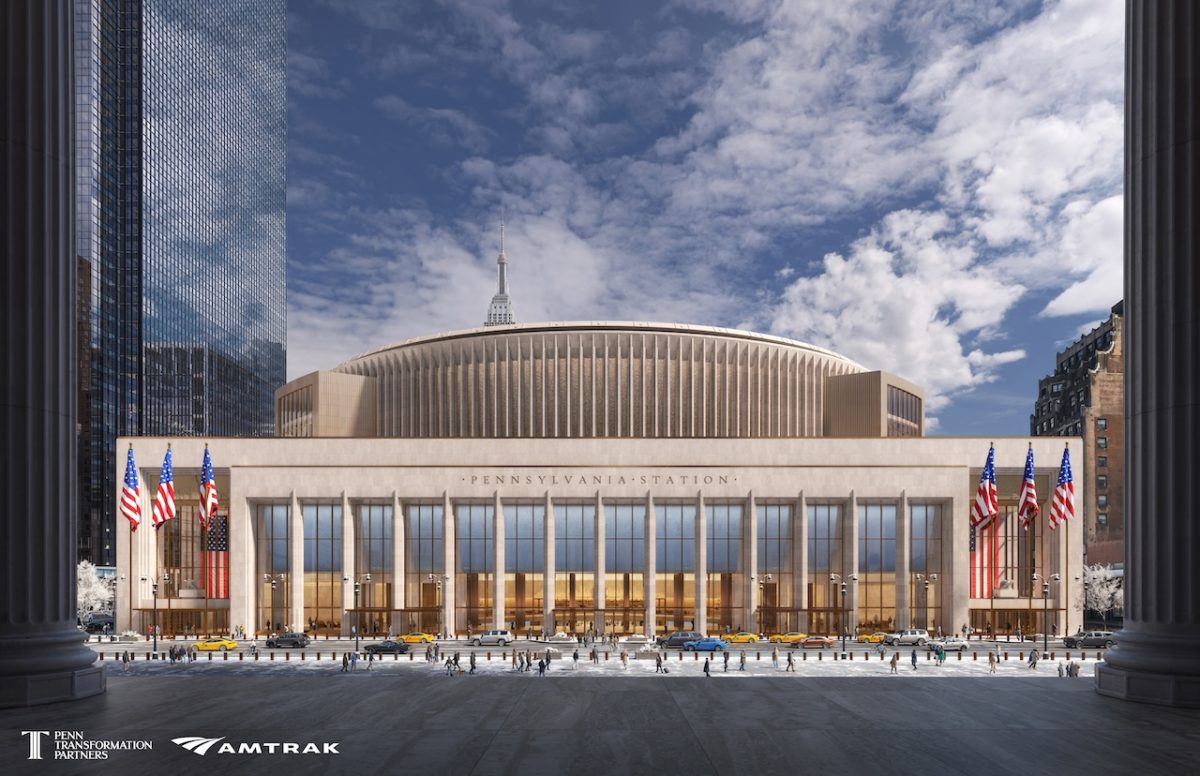
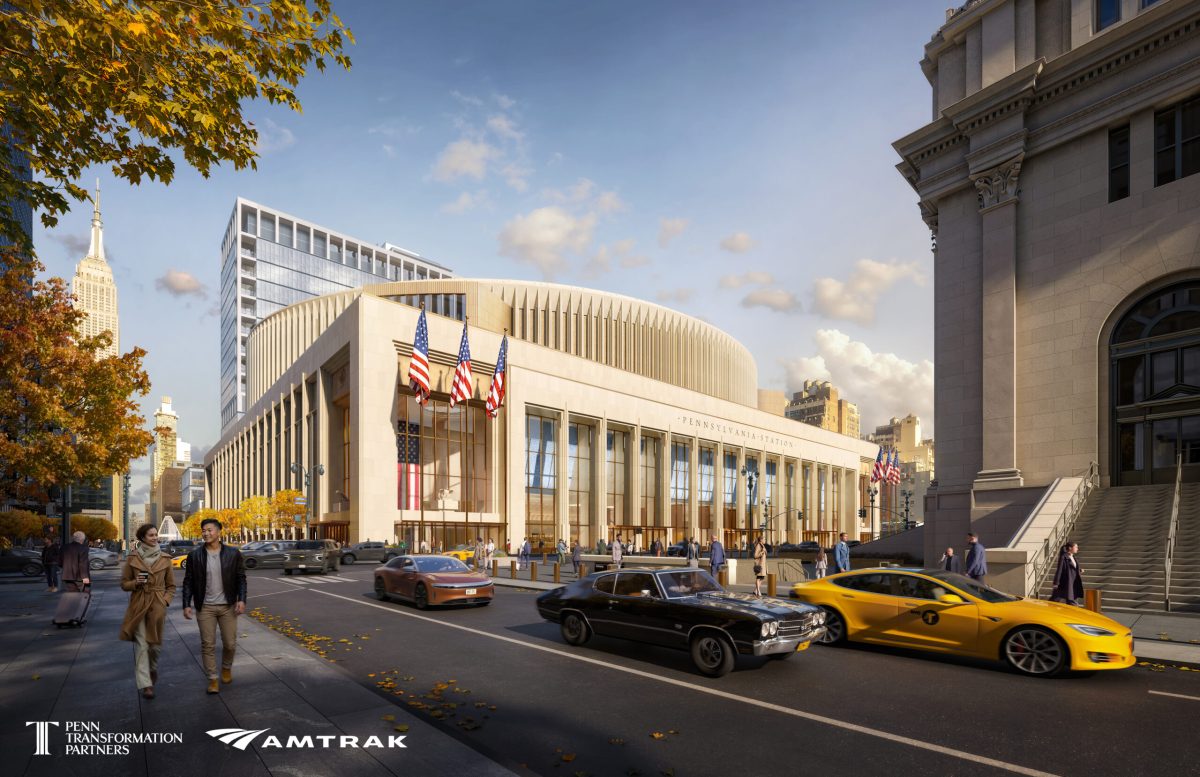
In 2025, things shifted when the Trump administration handed control to Amtrak and the U.S. Department of Transportation. By May 2026, developers Halmar and Skanska were selected, along with architects PAU and HOK. The first renderings dropped shortly after, and they are genuinely striking.
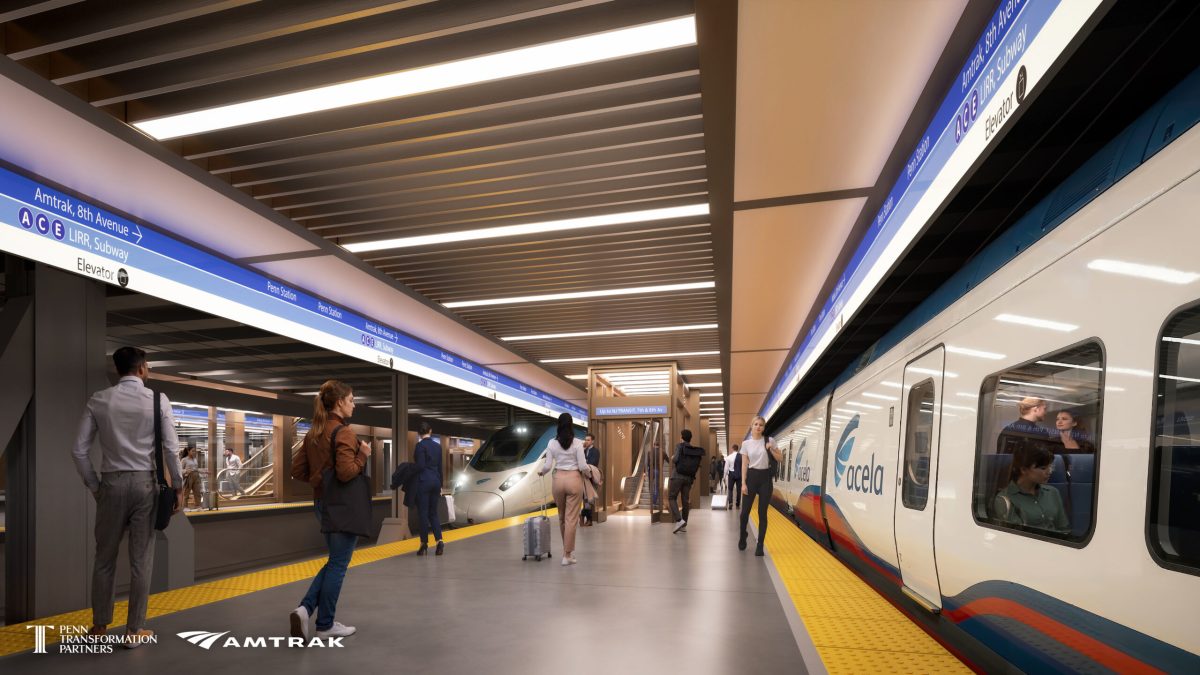
The new design features soaring stone columns, expansive ceiling heights, and enormous window walls that flood the space with light. Lead architect Vishaan Chakrabarti, founder of PAU, drew inspiration from Grand Central Terminal's enduring Beaux Arts style, plus Art Deco masterpieces like the Empire State Building and Rockefeller Center. "There was this fearless embrace of ornament and decoration that in some ways we've lost," Chakrabarti explained. "We want to bring some of that sense of craftsmanship back."
The project will unfold in phases over roughly six years, beginning before the end of 2027. The clever part? Penn Station stays open throughout construction. Travelers won't face any shutdowns or detours. And Madison Square Garden stays put, too. Only a theater directly above the tracks requires demolition, a detail still being negotiated.
The Politics and the Price Tag
White House officials floated the idea of calling it "Trump Station" as both a branding opportunity and a funding mechanism. The initial renderings, however, still read "Pennsylvania Station" with the presidential seal and Trump's name in one corner. It's unclear whether this represents a compromise or simply won't matter by the time construction finishes.
The bigger issue is money. Eight billion dollars is a number that raises eyebrows. Unlike airport upgrades that can rely on passenger fees and federal grants, it remains fuzzy exactly who pays for what. Transparency concerns have already surfaced from transit advocates and oversight groups.
Still, the project is moving forward. For travelers who've endured decades of arriving in America's greatest city through uninspiring tunnels, the prospect of a restored Penn Station feels less like a luxury and more like overdue justice. The question now isn't whether it will happen, but whether it will truly live up to the original's magic.