Picture this: you're wandering through Palermo's narrow streets, and the smell of honey, ricotta, and candied fruit pulls you into a small pasticceria. You order a cannoli. What arrives is more than dessert. It's a edible timeline of Sicily itself.
The capital of Sicily has absorbed wave after wave of conquerors over two thousand years. Greeks, Arabs, Normans, and Bourbons each left fingerprints on the city's culture, architecture, and especially its food. Unlike other destinations that compartmentalize their past, Palermo wears every era at once. That collision of influences produces something electrifying: a food scene where Middle Eastern spices meet European technique, where religious tradition wraps around pagan celebration, where a single bite can explain more history than a guidebook.
The pastries of Palermo are the most delicious way to decode this complexity. Here are five Sicilian classics that deserve your attention, and the stories locked inside them.
The Cannoli
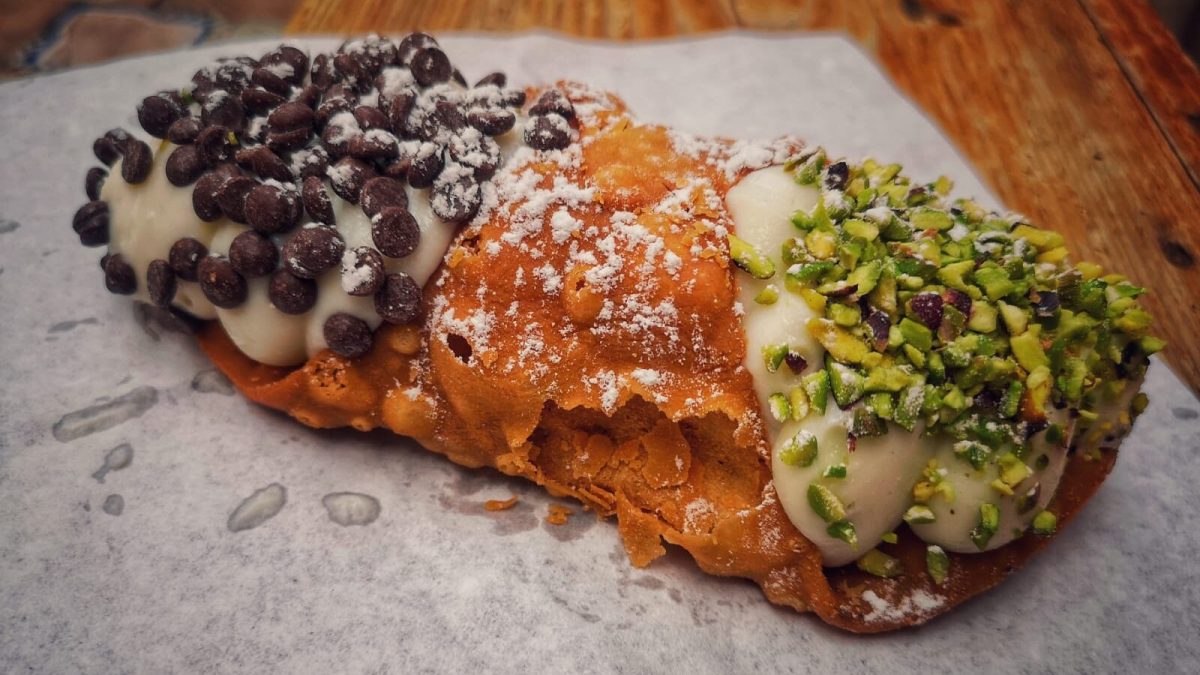
Start here. The cannoli is the heavyweight champion of Sicilian sweets, the dessert that shows up on every postcard and in every tourist's Instagram feed for good reason. A crispy fried tube of pastry shell, filled with creamy ricotta made from sheep's milk, studded with chopped pistachios. Simple. Absolutely lethal.
The origin story traces back to Sicily's Arab period, roughly the 9th to 11th centuries. Local legend says convent women in Caltanissetta first created a precursor, combining ricotta with almonds and honey. Whether they worked inside emirate harems or simply adapted available ingredients remains debated by food historians. What matters: when Arab rule ended, nuns in convents preserved and refined the recipe, layer by layer, century by century, until it became the cannoli we know today.
When hunting cannoli in Palermo, ignore the shops that fill them hours ahead. The texture dies fast. The best places fill them only after you order, keeping that shell snap-crisp against the cool sweetness inside.
Minne di Vergine
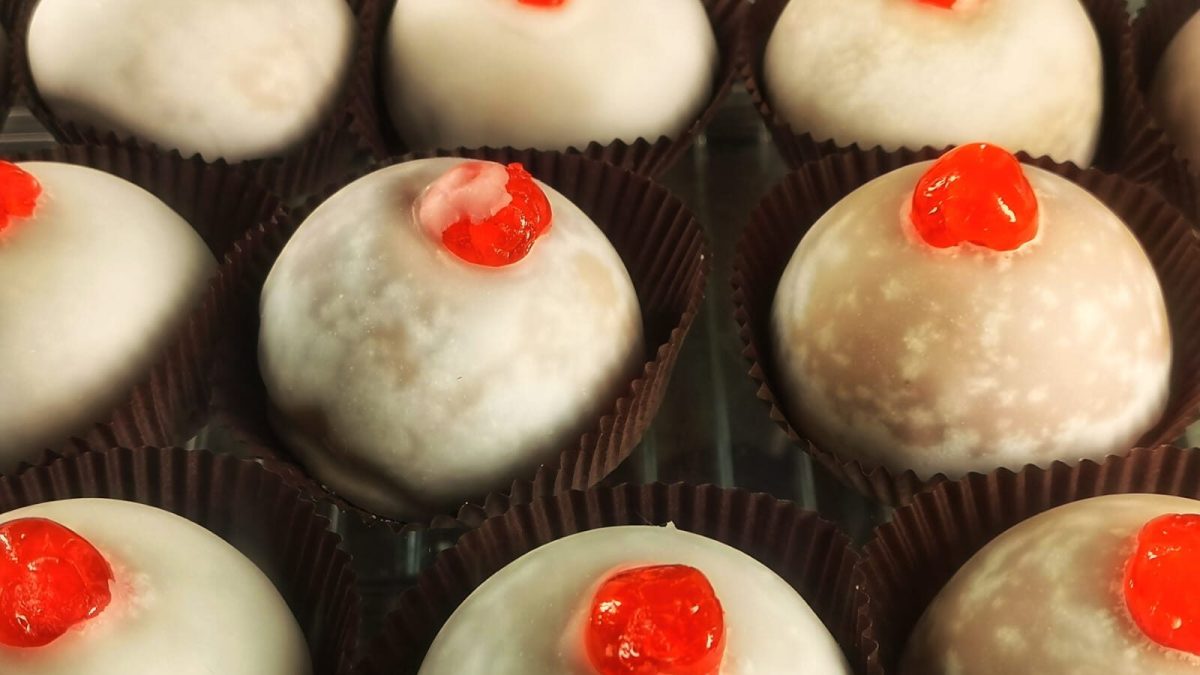
The name alone will make you laugh: "Saint Agatha's Breasts." But the story behind this peculiar pastry is genuinely dark. According to Christian tradition, the young Saint Agatha was martyred for refusing a Roman prefect's advances. Her punishment was horrific, and her breasts became the symbol of her suffering and defiance. Sicilians transformed that tragedy into celebration by naming a dessert after the severed body part.
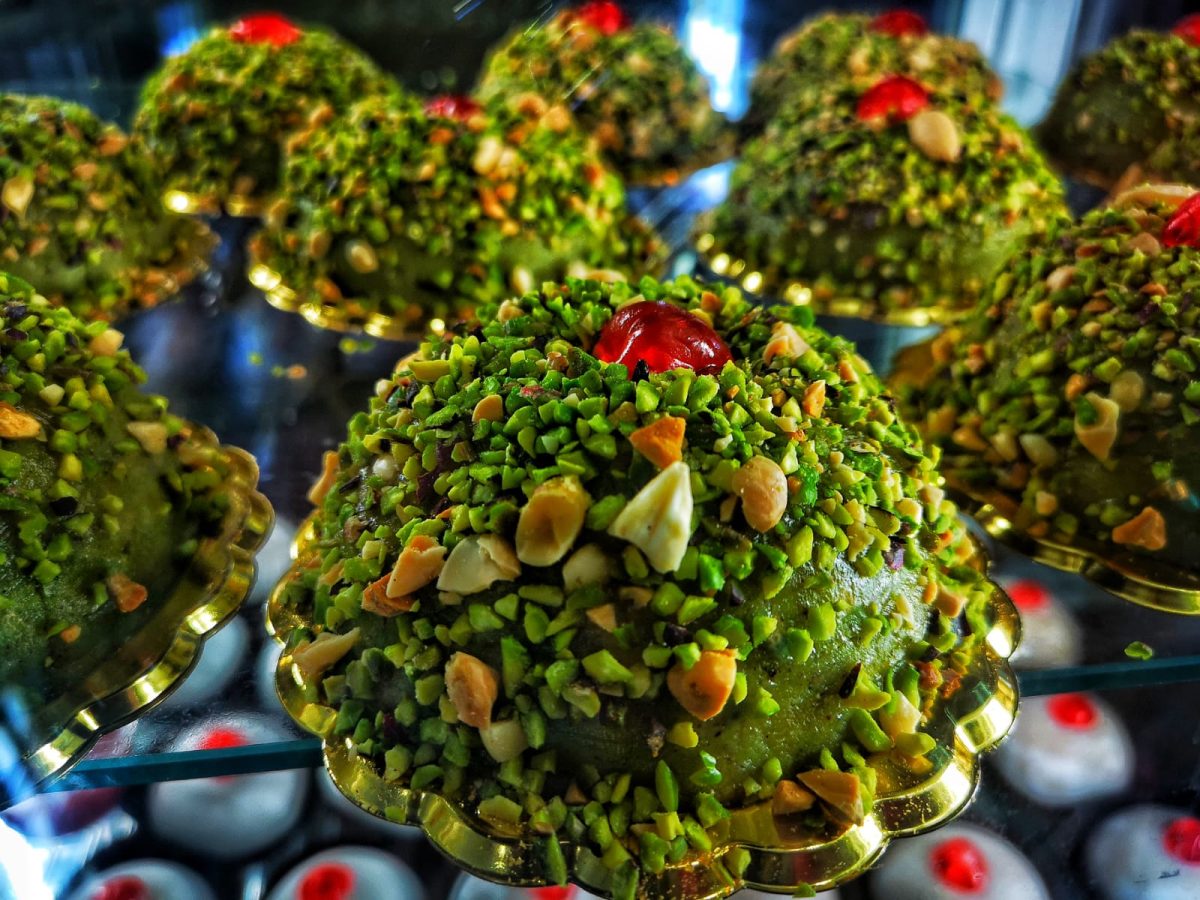
The actual pastry is made from sponge cake, ricotta filling, and marzipan or icing, shaped unmistakably like small breasts. Some versions include chocolate chips and candied fruit, crowned with a bright red candied cherry on top. You'll find these everywhere during Agatha's feast day in February, but they're available year-round. They're small, intensely sweet, and genuinely memorable.
The Triumph of Gluttony
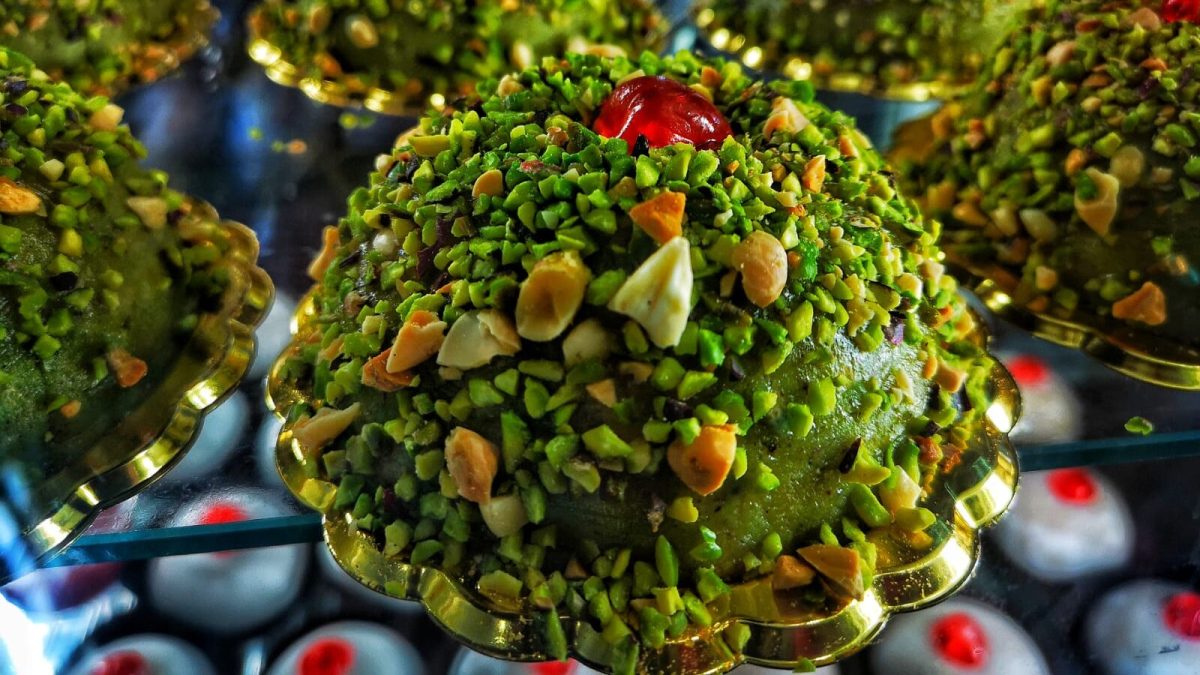
The Trionfo di gola doesn't mess around with subtlety. Its name promises unapologetic indulgence, and it delivers. Recipes vary from pastry shop to pastry shop, but the structure is consistent: layers of sponge cake, ricotta cream, custard, marzipan, jam, pistachios, and candied fruit compressed into one colourful, extravagant unit.
This is convent food, born from centuries when wealthy families and aristocrats commissioned elaborate desserts for special occasions. The labour involved is staggering. The technique required is real. No bakery churns these out casually. That's why one slice feels like a small event. It's not the lightest thing you'll eat in Sicily. That's precisely the point.
The Genovesi
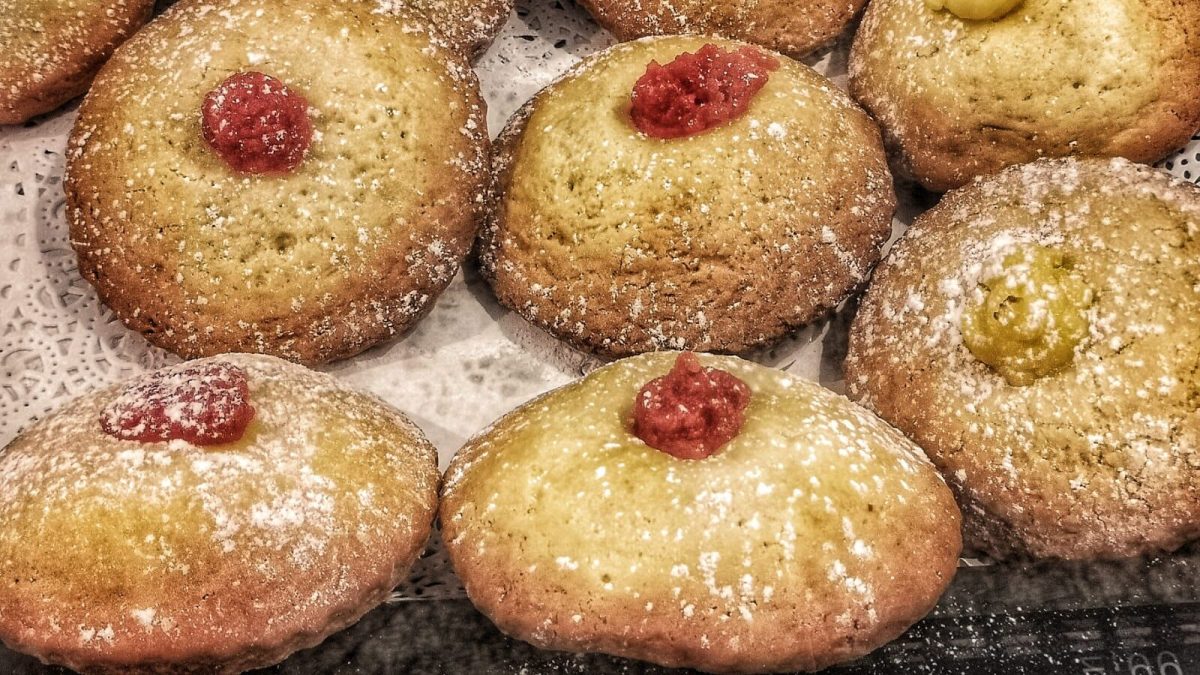
Here's a dessert that lies about its own geography. Despite its name suggesting Genoa, the genovese is thoroughly Sicilian, rooted in the hilltop town of Erice near Trapani. It's simple: a shortcrust pastry shell filled with custard or ricotta, baked until golden.
One theory claims the name comes from the cone-shaped hats worn by Genoese sailors who once traded along Sicily's western coast. That theory probably tells you more about how people like to name things than about actual history. Regardless, eaten warm with a dusting of icing sugar, the genovese proves that Sicilian pastry doesn't need to be complex to be memorable.
The Cassata
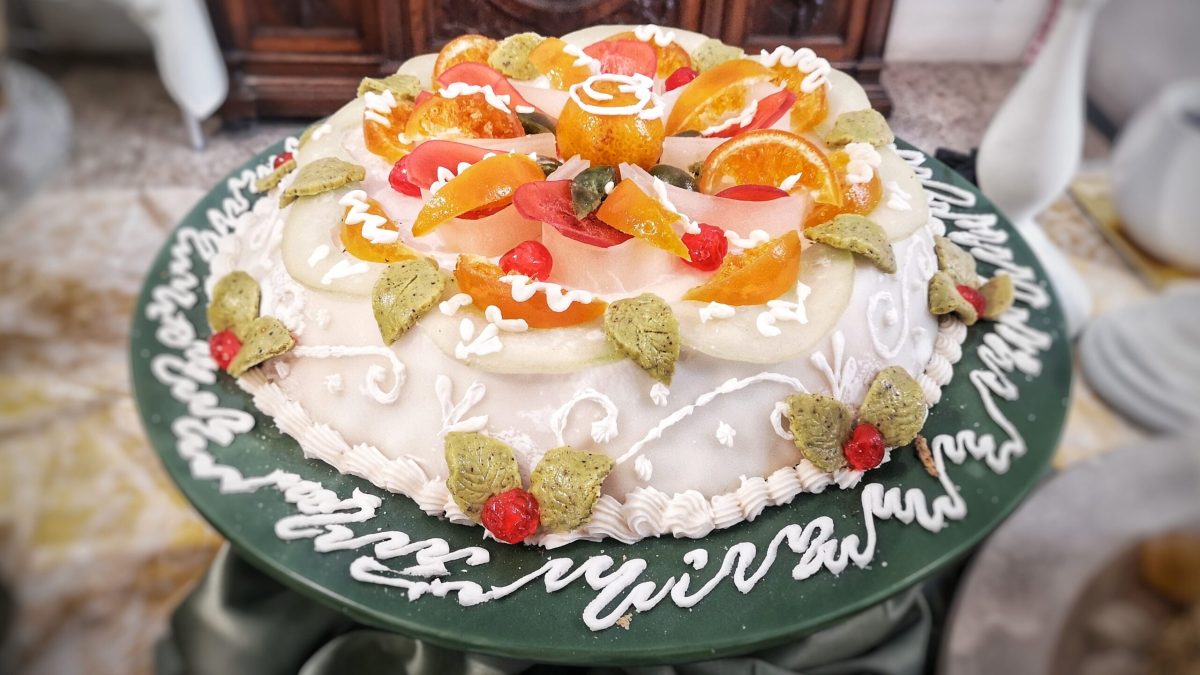
If the cannoli is Sicily's most famous dessert, the cassata is its most visually stunning. This is the showstopper, the cake you photograph before eating. Layers of sponge cake, sweetened ricotta, marzipan, icing, and ornate decorations of candied fruit create something almost too beautiful to cut into.
Like the cannoli, cassata's roots reach back to Sicily's Arab period, when sugar cane, citrus, and almonds became central to island cuisine. An early version was likely just sweetened ricotta wrapped in pastry. Over centuries, particularly through the 18th and 19th centuries, Palermo's pastry makers transformed it into the elaborate creation you see today. It's colourful, intensely sweet, and genuinely architectural in scope.
Where to Taste These Stories
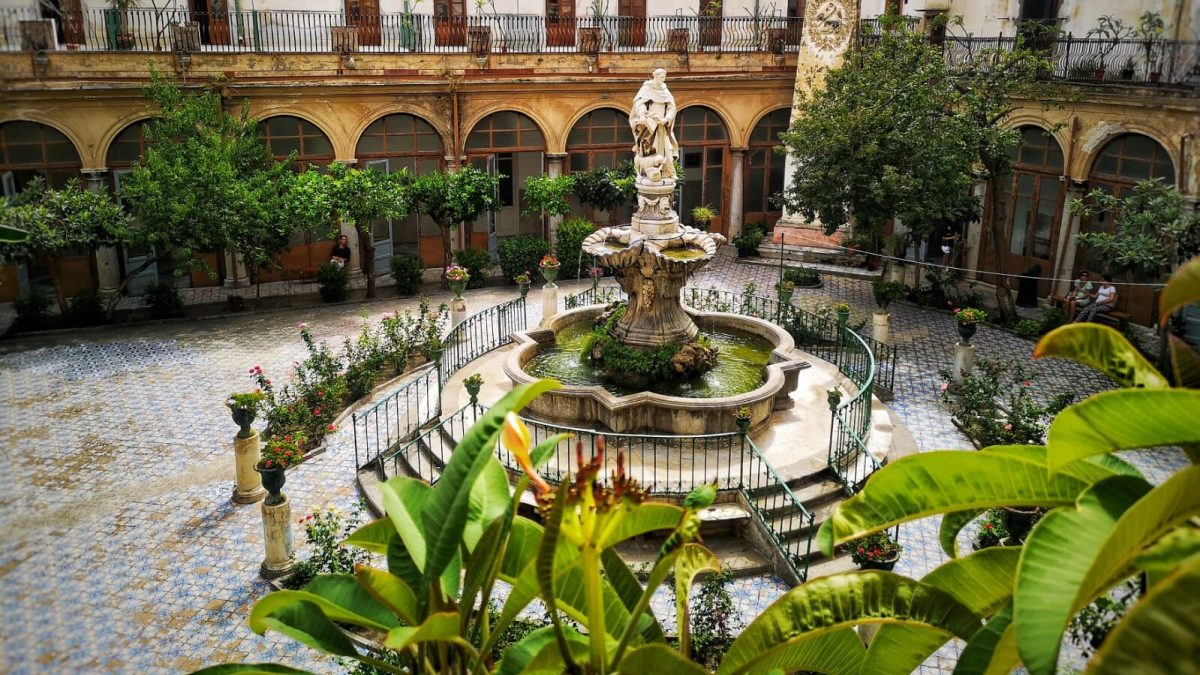
If you want to eat your way through history in one atmospheric location, head to the Monastery of Santa Caterina d'Alessandria in Palermo's historic centre. Inside its former convent sits I Segreti del Chiostro, a pastry shop dedicated entirely to preserving historic Sicilian confectionery traditions. The recipes came from the convents themselves. Nuns spent centuries perfecting these techniques, and this shop is dedicated to keeping that knowledge alive.
You can taste cannoli, cassata, and variations on these classics while surrounded by cloisters and churches, essentially eating your dessert inside the very places that invented it. It's atmospheric in a way that feels earned rather than staged.
That's Palermo in a nutshell. Most cities make you choose between history and pleasure. Palermo serves them on the same plate, usually dusted with pistachios and candied fruit.