The highway out of Nanyuki fades fast. First the motorbike garages disappear, then the fruit vendors, then the grid of roadside stalls selling everything from water jerries to hastily painted portraits. I'd crossed the Equator just miles back, and the heat was absolute. But no amount of equatorial sun could dull what was coming next: a left turn at Il Polei village, thirty miles from town, and a landscape that would flip what I thought I knew about Kenya's north.
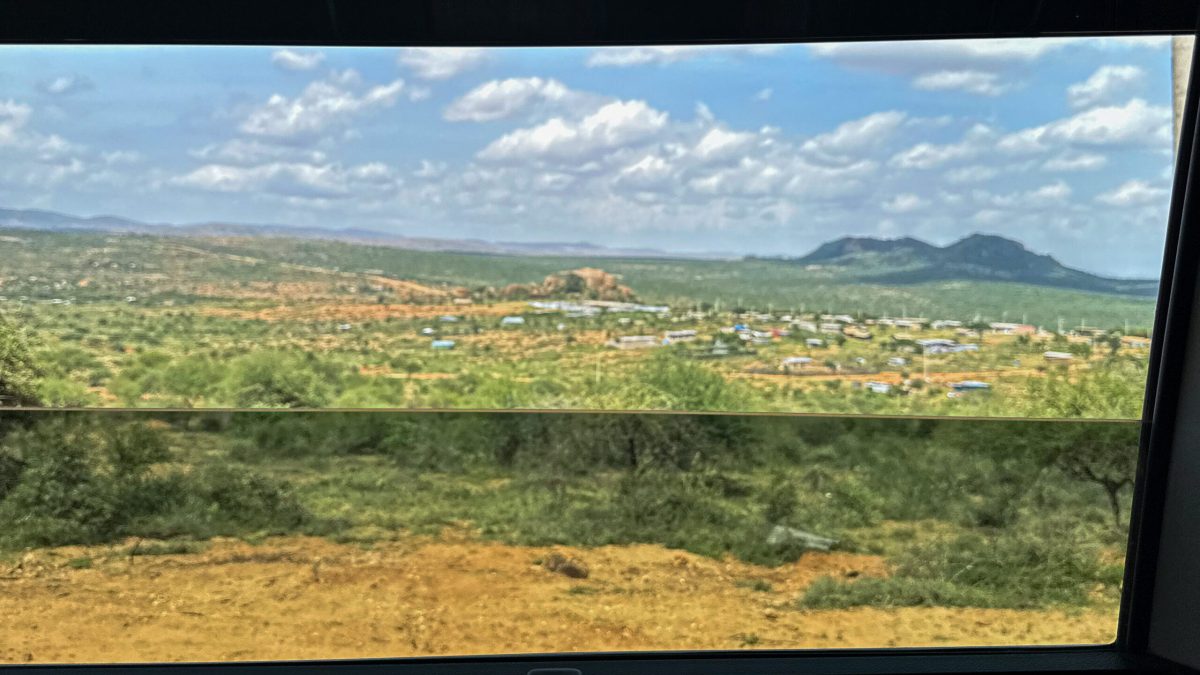
My driver Gabriel visibly relaxed once we cleared the village. The road smoothed out. The car stopped its bone-rattling dance across the terrain, and suddenly we were climbing into 360 degrees of emerald space, dotted only by a handful of tin roofs rapidly shrinking behind us. This is where Naibunga Lower Conservancy actually exists, and almost no one knows it yet.
The lodge sat quiet that first morning. I was finishing breakfast when Francis Sapuro, the Conservancy Manager, walked in. We'd traded emails before I arrived, but now, standing on Maasai ancestral land, everything felt different. Francis had reworked my schedule so I could meet the women's groups where they actually work, not in some sterile meeting room. That decision changed everything about what this story would become.
Naibunga Lower Conservancy is owned and run entirely by local communities, a model that started in 2004. Around 8,300 people from three groups, the Koija, Ilmotiook, and Tiamamut, call this place home. Most visitors come hunting for the region's most famous resident: the black panther, that rare dark-pigmented leopard found in only a handful of East African spots. But here's what nobody mentions in the brochures. Once you arrive, something else takes over. The silence. The space. The fact that wildlife and humans actually share this terrain the way they always have.
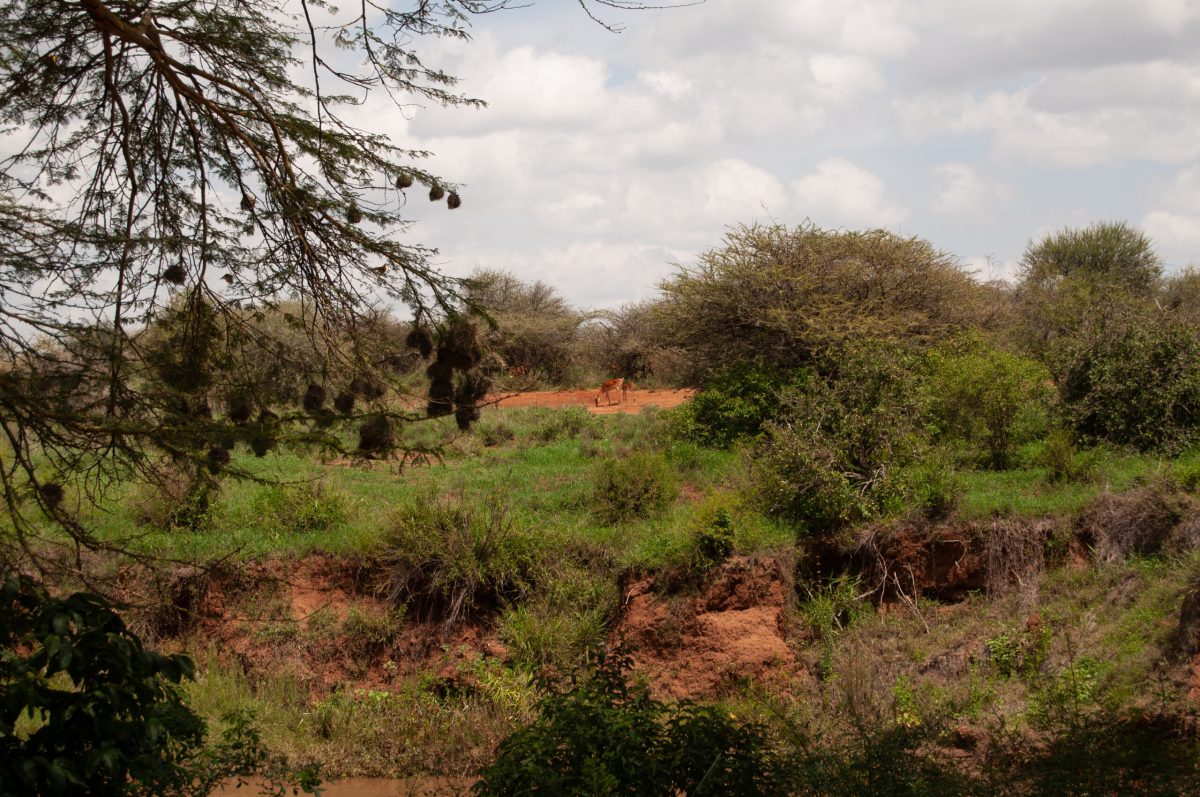
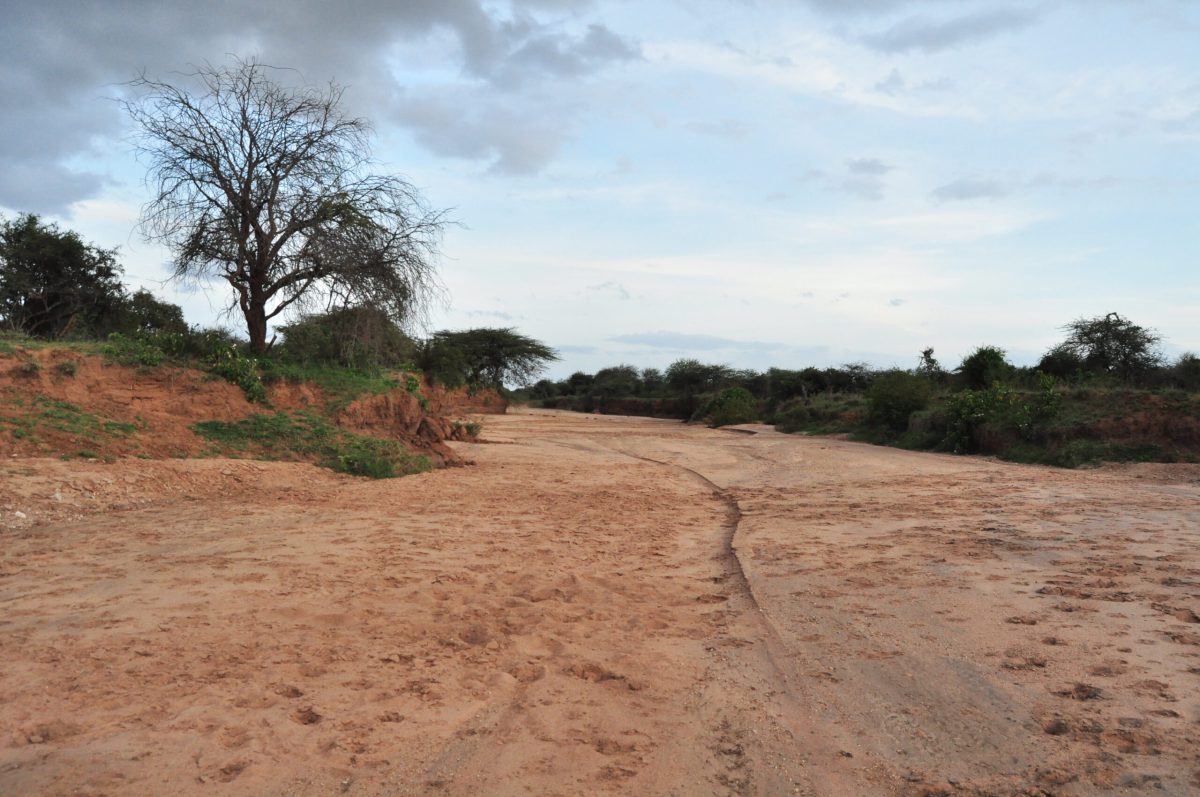
That first evening, Peter, one of the lodge's Maasai guides, took me walking in a riverbed that had dried to sand that same morning. He moved with the ease of someone who knows every animal within earshot. Then he told me casually, the way you'd mention the weather, about his encounter with an elephant just days before while he was herding his family's cattle nearby.
I heard distant animal calls. Peter identified them instantly. "A cat around here somewhere," he said, still walking. "Those other animals are warning each other." My legs felt wobbly for a second, though I blamed the sandy ground. The truth was I was walking on ancestral land, and the line between visitor and intruder felt very thin.
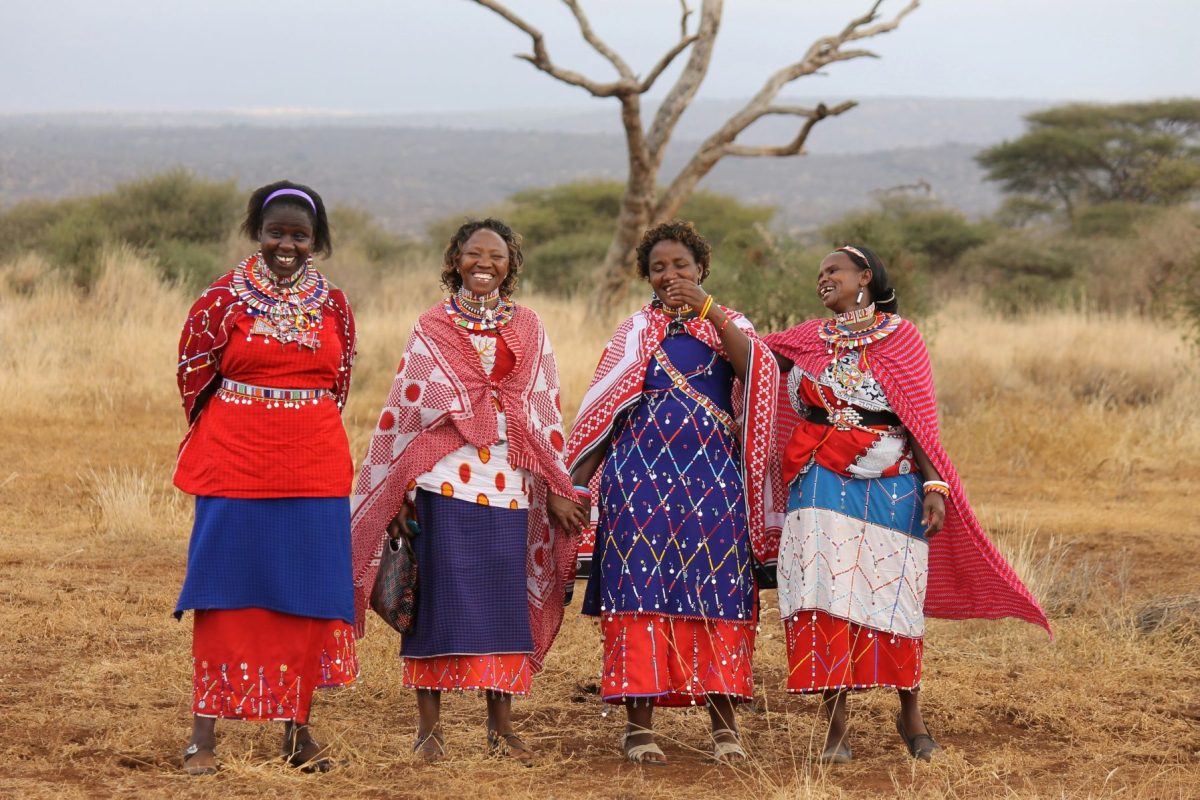
What makes Naibunga Lower different from Kenya's more famous reserves isn't just the lack of tourist convoys. It's that women here are building something genuine rather than performing tourism for outsiders. The three women's groups Francis had arranged for me to meet weren't going to pose for photos. They were going to show me how they actually work, think, and navigate life in one of Kenya's most remote corners.
Like many travelers discovering lesser-known destinations, more people are abandoning the crowded parks for places like this. The Maasai Mara gets its gridlock of vehicles. Naibunga Lower gets sunsets, silence, and encounters that feel earned rather than packaged.
I finished my coffee. Francis briefed me on how the conservancy governed itself, how decisions get made, how land gets protected. Then I stood up, grabbed my bags, and felt something shift. The real work was about to start. The women were waiting.