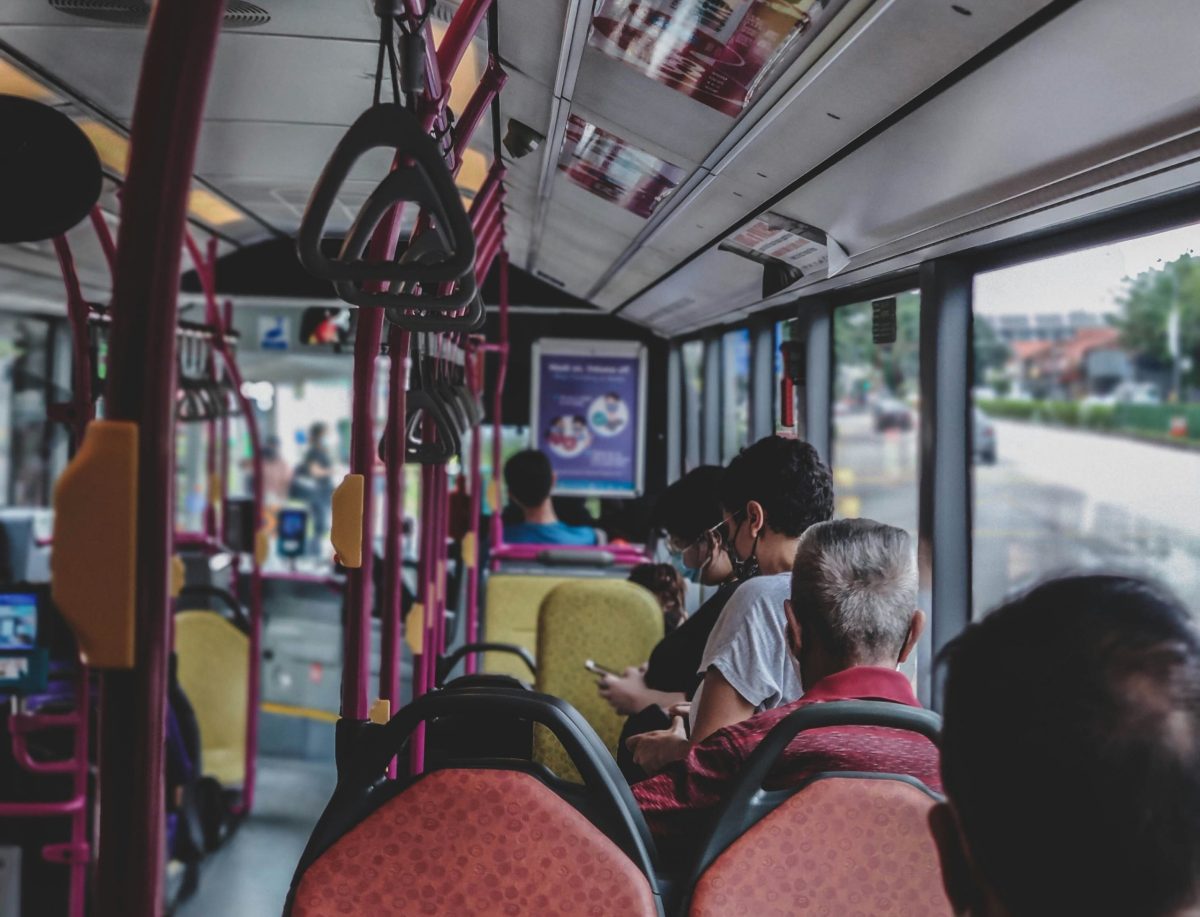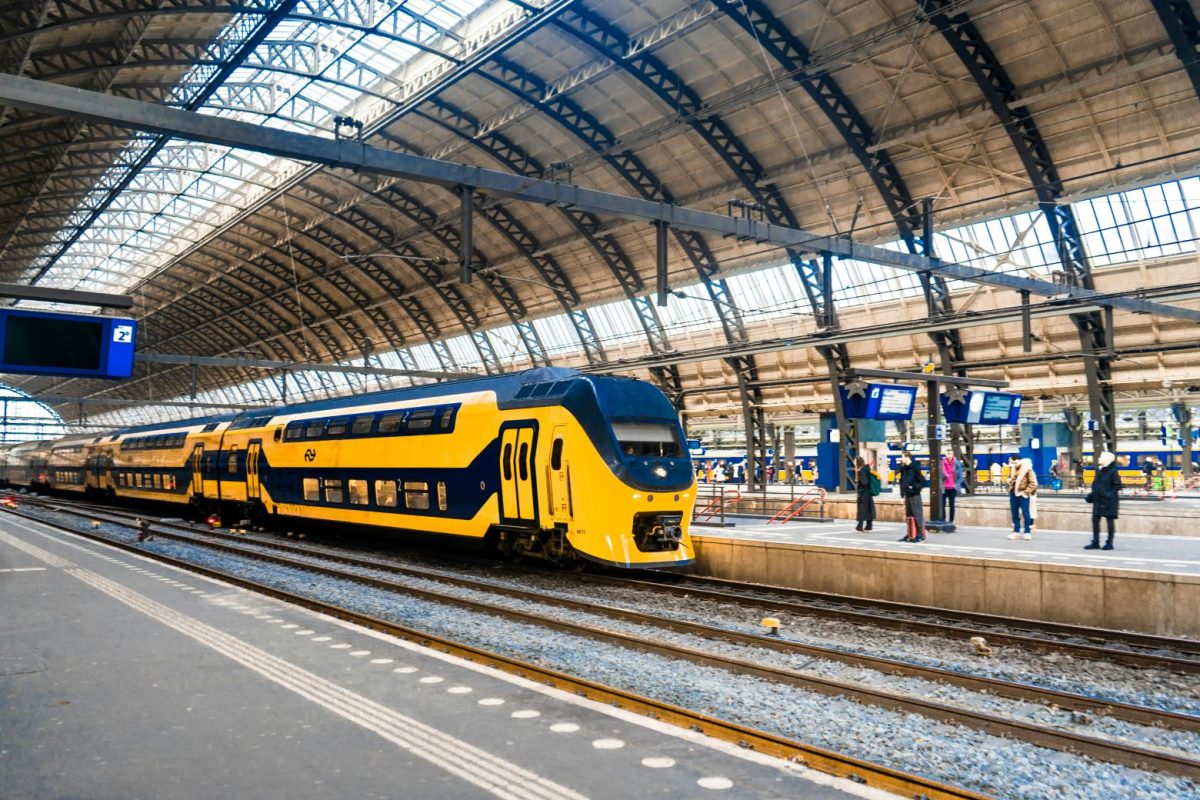
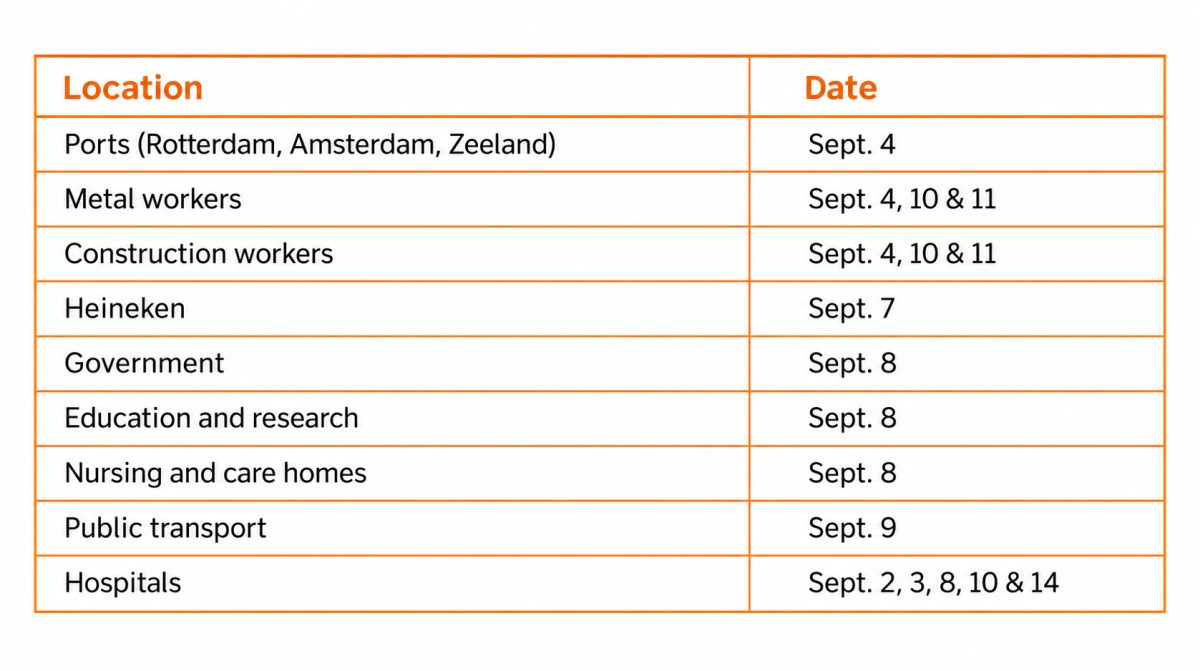
Mark your calendar: September 9 is the day the Netherlands essentially shuts down its entire public transport system. A nationwide strike called by the Federation of Dutch Trade Unions (FNV) and the Christian National Trade Union Federation (CNV) will grind buses, trams, metros, and trains to a halt starting at 2 am, affecting millions of travelers and commuters.
The unions are staging this action to protest government plans that would slash social security spending, particularly on unemployment and disability benefits. Workers in these sectors argue that cuts would weaken the safety net for vulnerable people. Transport workers themselves face particular risk: their physically demanding jobs put them above average for needing disability support later in life.
What's actually running that day
If you're flying out of Amsterdam, you're luckier than most. A court injunction requires skeleton service to Schiphol airport, so the Airport Sprinter will run four trains per hour between Amsterdam Central, the airport, and Hoofddorp. Sounds manageable until you realize every single person who can't use other transport will be on those trains. Expect standing room only, delays, and the need to leave far earlier than normal.
Everything else stops. Amsterdam's GVB will halt all bus, tram, metro, and ferry services from 4 am onward. Rotterdam, The Hague, and other major cities face the same blackout. Regional cross-border trains vanish too, meaning no Eurostar, EuroCity, ICE, or Nightjet services. The Roosendaal-Antwerp and Liege-Aachen routes are also cancelled. Stranded travelers won't find replacement buses either, since regional drivers are part of the strike.
Money troubles for disrupted passengers
Here's a wrinkle that affects your wallet. As of September 4, NS stopped reimbursing travelers for taxis or ride-share alternatives during strikes. That 25-euro allowance that used to cover backup transport? Gone. If your journey gets derailed, you'll need to claim compensation through the formal Geld Terug bij Vertraging (Compensation for Delay) scheme for pre-purchased tickets. Plan accordingly.
This isn't an isolated incident either. If industrial action in transport networks worries you, strikes have become increasingly common across European transit systems, and September seems to be a month when travel disruptions peak.
How to navigate the chaos
If you must travel on September 9, start planning now. Work from home if possible. If you're catching a flight, arrive at Schiphol at least three hours early and use those crowded Airport Sprinters. Skip trains entirely if you're crossing borders that day. For local journeys, rent a car, hire a taxi, or bike your way through (the Dutch are rather good at that anyway).
Stay glued to journey planning apps like 9292 or NS for real-time updates. The situation could shift, and labor negotiations sometimes reach last-minute agreements. But don't bet your itinerary on it.
Services return to normal on Thursday morning. If you're planning a Dutch rail adventure in calmer times, recent pricing changes have made train travel surprisingly affordable. Just make sure you're traveling on a day that isn't September 9.