There's something magnetic about watching an airline celebrate its own origins. On Easter Monday, April 6, 2026, Lufthansa will do exactly that by sending two cutting-edge aircraft on a mission that mirrors what happened in 1926, when the carrier's predecessor took to the skies with barely more than a handful of passengers aboard.
The German carrier has orchestrated what amounts to a time-travel stunt centered on Berlin, the birthplace of its aviation legacy. Back then, the first flights departed from Berlin Tempelhof, one of Europe's most revered airports, heading to Zurich and Cologne. The planes were small. The cabins were sparse. One flight carried nothing but a newlywed couple; another had just a single passenger. Commercial aviation was still figuring out what it meant to move people through the sky.
When a Boeing 787 Becomes a Time Machine
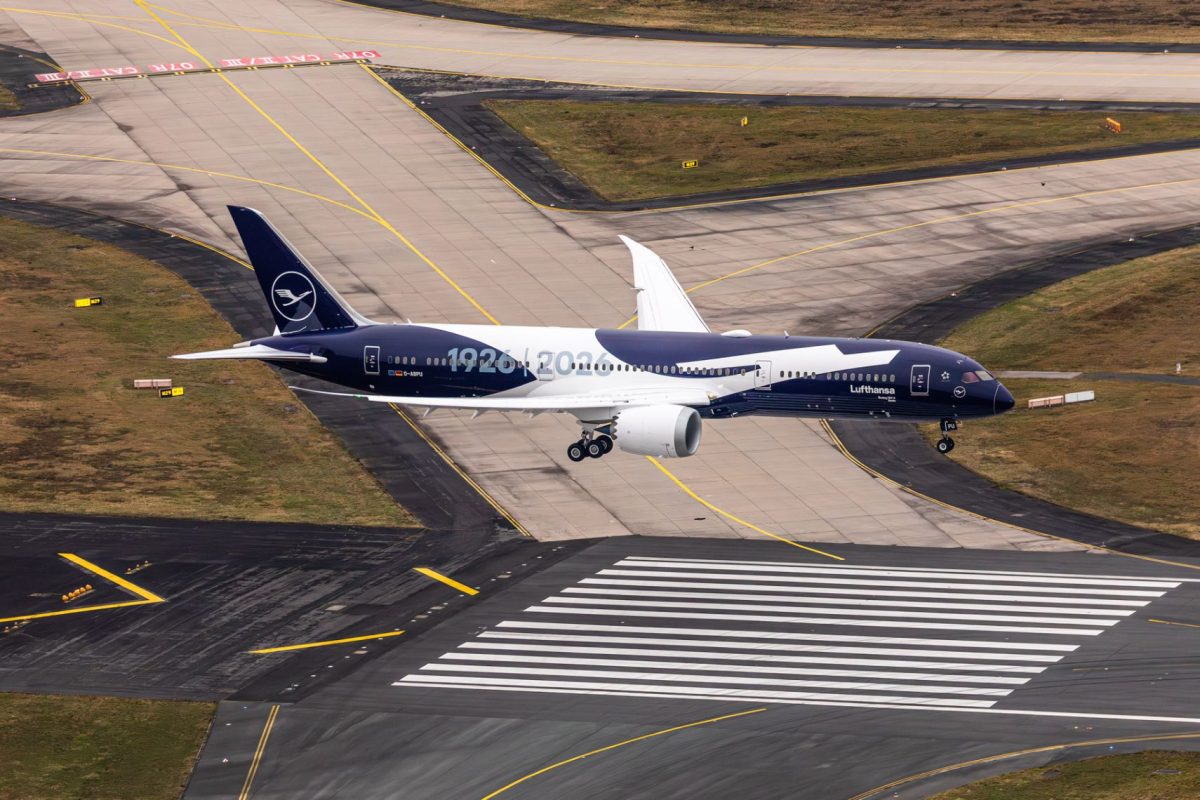
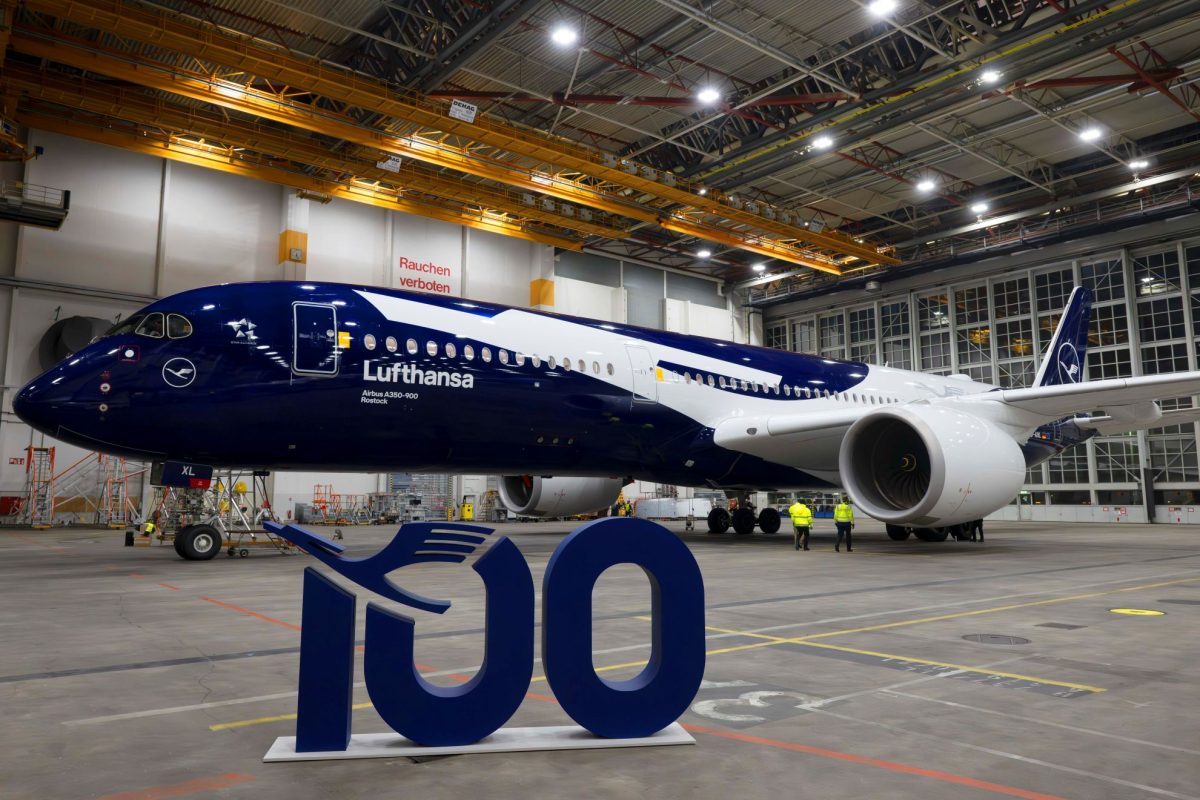
Fast forward a hundred years, and Lufthansa is deploying nothing short of flagship aircraft for the anniversary flights. A Boeing 787-9 Dreamliner and an Airbus A350-900, both wearing special livery featuring an oversized white crane against a blue background, will depart from Berlin simultaneously around 3:00 pm local time. They'll be designated flights LH1926 and LH2026, a numbering scheme that makes the century-spanning connection impossible to miss.
What's clever here is that while today's jets will fly direct routes, they'll pass over the same stopover cities that defined the 1926 journey: Halle, Erfurt, Stuttgart, and Magdeburg. Passengers won't need to endure those multi-stop itineraries, but they'll witness the geography that mattered to early aviation pioneers. The symbolic overlay of past and present is built into the flight path itself.
Demand tells you everything. Tickets for both anniversary flights sold out within days, with aviation enthusiasts and history buffs snapping them up faster than you'd expect for what is essentially a deliberate journey between two European cities.
A Celebration Scaled for a Global Powerhouse
The festivities don't stop at takeoff. Earlier in the day, two long-haul aircraft will ferry over 400 guests from Lufthansa's main hubs in Frankfurt and Munich to Berlin, carrying employees, partners, journalists, and aviation influencers. At Berlin Brandenburg Airport, where the ceremony will be held, more than 600 people are expected to gather for formal proceedings that will trace the airline's evolution from its scrappy, pioneering days to its current standing as one of Europe's dominant aviation groups.
The practical side of modern air travel means the celebration happens at Berlin Brandenburg rather than the historic Tempelhof, but that symbolic return to the capital underscores just how much geography and infrastructure have shaped commercial aviation. For travelers planning European trips in 2026, this event is worth circling on the calendar. Large crowds are anticipated not just at the Berlin airport but also in Zurich and Cologne, where plane spotters and enthusiasts will gather to witness the anniversary flights arriving.
From Handful to 120 Million
The numbers illustrate the transformation. What began with minimal passenger capacity and experimental routes has become a sprawling operation. The Lufthansa Group now operates a fleet exceeding 700 aircraft across its various carriers, moving over 120 million passengers annually through major hubs in Frankfurt and Munich. Those routes span continents and connect Europe to destinations across the globe. If you're booking a flight to anywhere on the continent in coming years, there's a fair chance you'll be routed through one of those hubs.
For travelers curious about aviation history or those planning European trips around spring 2026, this centenary moment offers a rare glimpse into how an industry transforms. Booking strategy has become more complex in recent years, but anniversary flights like these sell out fast and rarely repeat. If you're anywhere near Berlin that week, it's worth planning ahead to witness how a carrier commemorates a century of flight.