For anyone who's ever stared longingly at their dead Wi-Fi symbol at 35,000 feet, August 19 marks a turning point. Lufthansa Group is launching its Starlink-powered connectivity service, transforming what happens when you step aboard one of its aircraft. This isn't just another paid upgrade buried in the app. It's free for passengers with a Miles & More account or Lufthansa Group Travel ID, regardless of seat class.
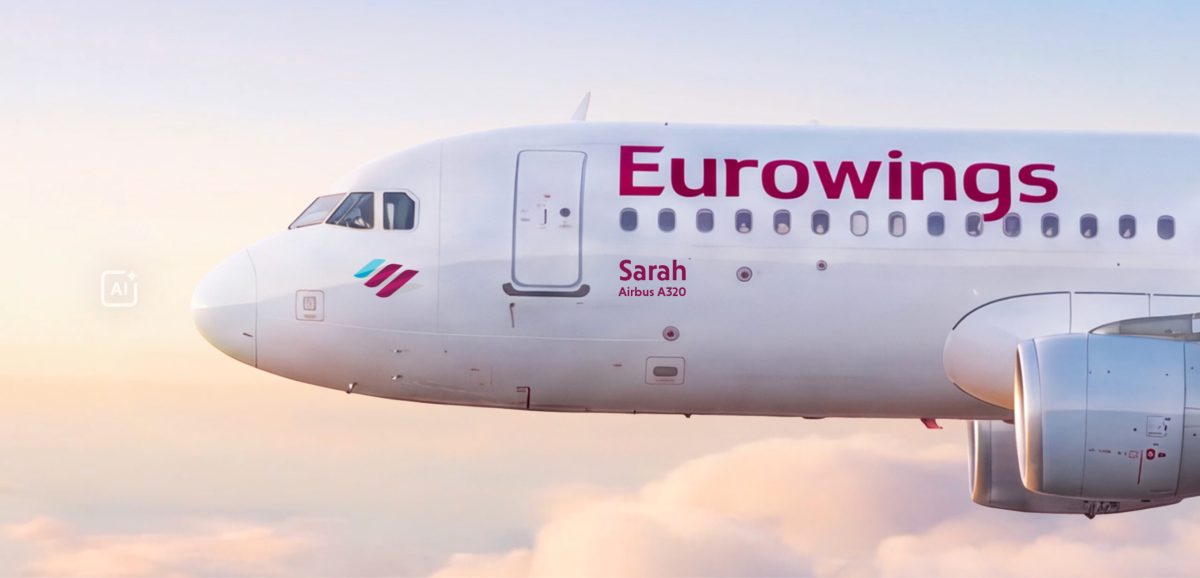
The first A320neo will carry the new system, though the airline is keeping which route gets the honor under wraps for now. What matters more is the scale of what's coming. By 2029, around 850 aircraft across the Lufthansa empire will have this technology. That means Lufthansa, SWISS, Austrian Airlines, Brussels Airlines, ITA Airways, Edelweiss, Discover Airlines, Air Dolomiti, Lufthansa City Airlines, and Euowings will all be in on the rollout. Once finished, Lufthansa Group will hold the title of Europe's largest airline group equipped with Starlink.
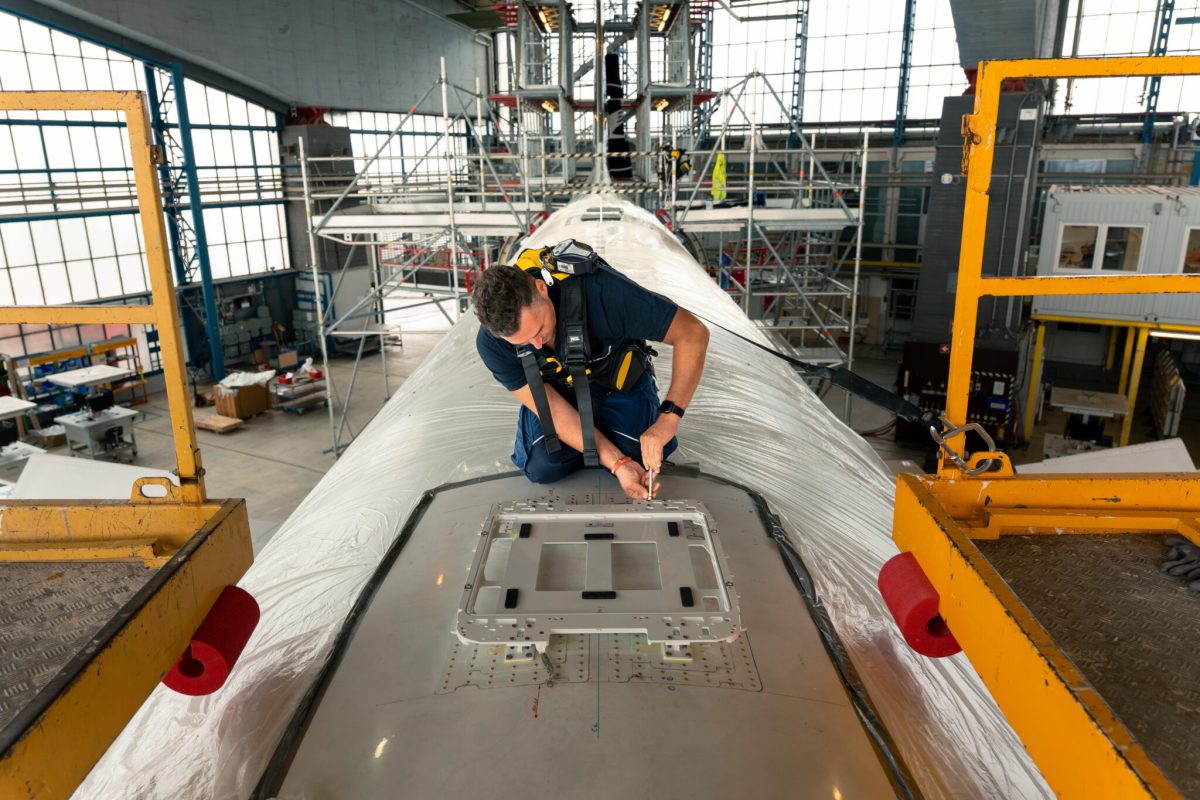
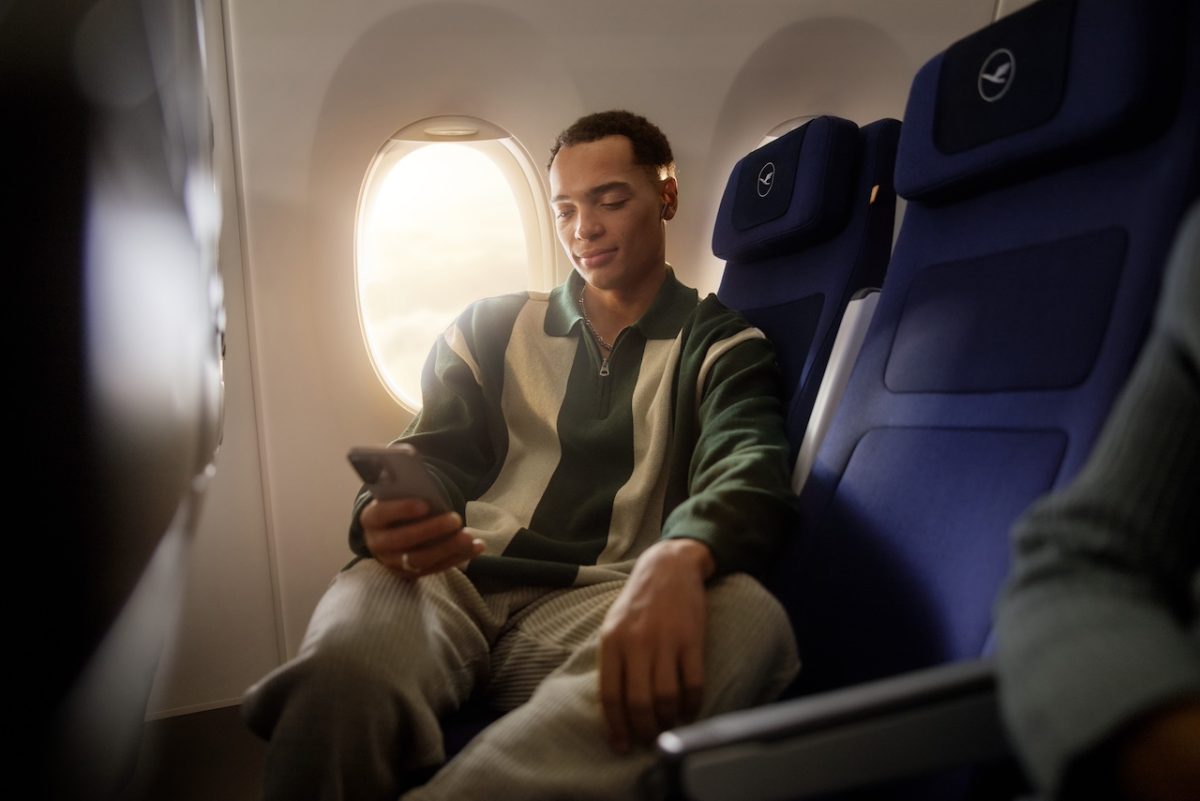
The bandwidth these satellites deliver is genuinely impressive. Lufthansa claims the onboard speeds will often exceed what passengers get at home or the office. Streaming video, working on cloud documents, attending webinars without dropping connection: all possible now. The catch is reasonable. No voice or video calls allowed. Live streaming from the cabin is banned. Headphones required for any audio or video content. These rules came from passenger surveys, the airline says, designed to keep the cabin from turning into a chaos of FaceTime arguments at 40,000 feet.
The race for cabin connectivity just accelerated
Lufthansa isn't the only player making this bet. The Starlink push across European skies has become genuinely fierce. Latvia's airBaltic pioneered this in February 2025, becoming the first European carrier to roll it out commercially. Air France followed suit. SAS got it running in March 2026. British Airways started in March with more than 300 aircraft expected to eventually join the program. KLM, meanwhile, opted for a different path, partnering with Viasat instead and rolling out free Wi-Fi on European routes starting in January 2026.
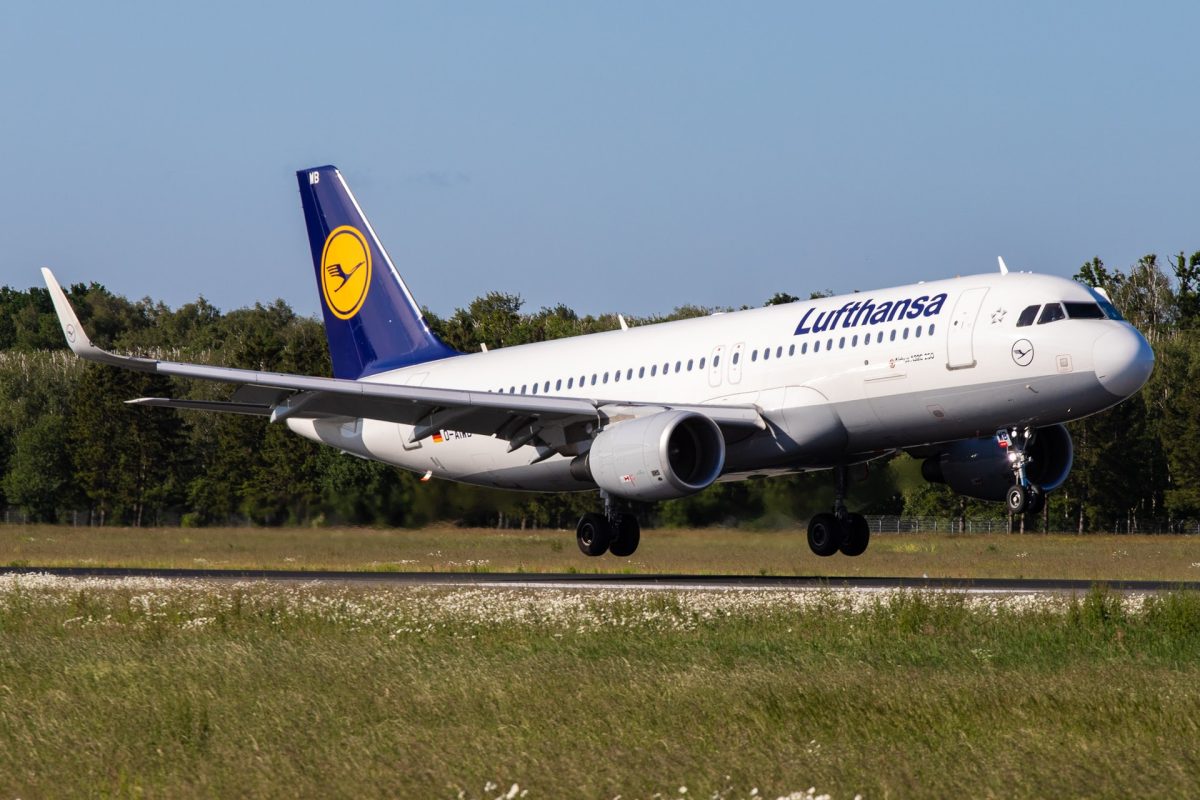
What's telling is that free connectivity is no longer a luxury perk. It's becoming the baseline expectation. The real competition now is about speed and integration. Airlines are asking how seamlessly they can weave digital services throughout your entire journey, not just your time in the air. Scotland's Loganair will fly electric planes across Europe starting 2029, signaling how much the industry is rethinking its approach to future travel.
Wizz Air, the budget carrier, plans to launch Starlink service in 2027. Ryanair and easyJet remain cautious, concerned about whether the costs justify the investment for their model. The broader International Airlines Group (which owns British Airways, Iberia, Aer Lingus, Vueling, and LEVEL) is rolling the technology across its portfolio. Virgin Atlantic jumped in as well. The landscape is shifting week by week.
What this means for your next flight
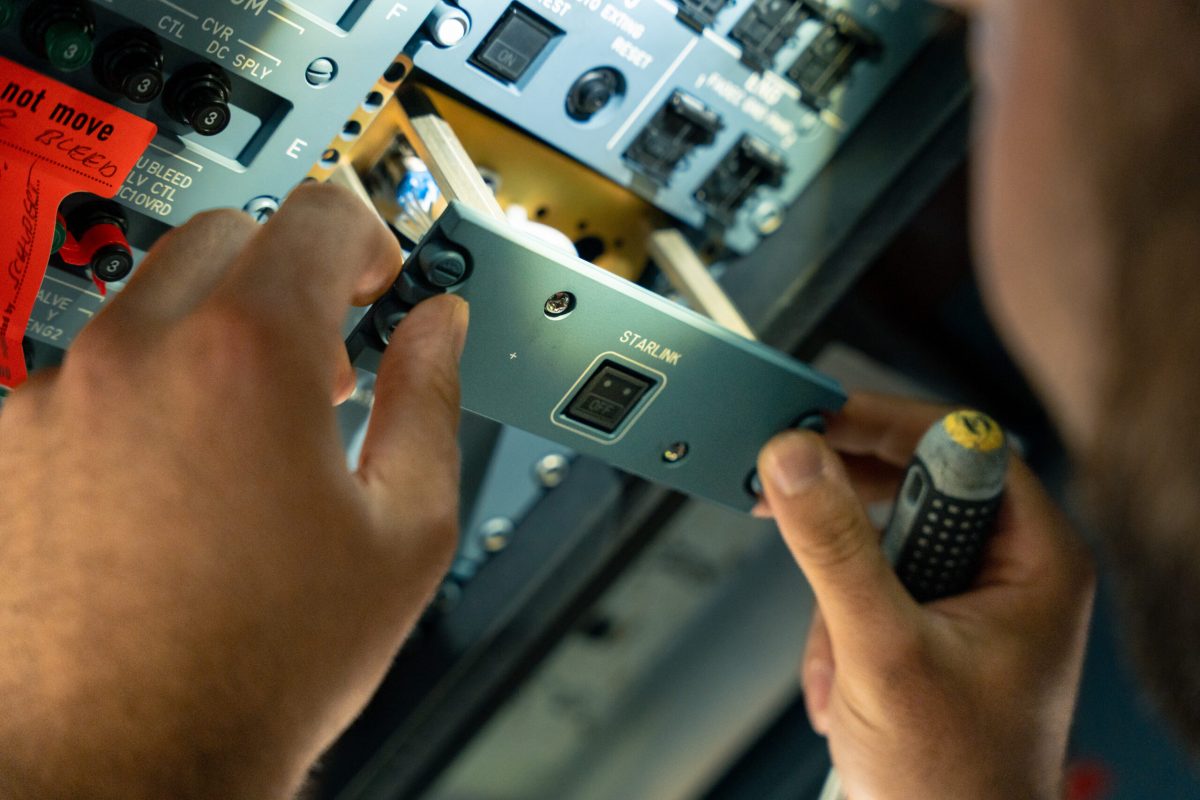
Here's the practical reality. If you're flying Lufthansa Group airlines starting this month, there's a small chance your plane already has Starlink. If not, you'll get it eventually. No paid Wi-Fi tier to unlock. The service extends to every cabin, from the back to the front. For digital nomads, this is a game-changer. For families on long-haul flights, it's the difference between bored kids and kids streaming content. For professionals who can't afford a missed Slack message, it's peace of mind.
The rollout represents more than just faster browsing. It signals how airlines now view connectivity as essential to the passenger experience, sitting alongside seating comfort and meal quality. Europe's new train rules promise protection, but booking across borders remains a mess, yet here Lufthansa is simplifying access to a genuinely valuable service across an entire continent-spanning network.
By 2029, when the rollout concludes, this won't feel revolutionary anymore. It'll feel normal. But for the next few years, the gap between connected and unconnected aircraft will matter to travelers. The advantage goes to whichever airlines move fastest and most completely. Lufthansa's bet on scale suggests they're taking that seriously. The question now is whether other major European carriers will follow, or whether they'll cede this ground and hope passengers don't notice.