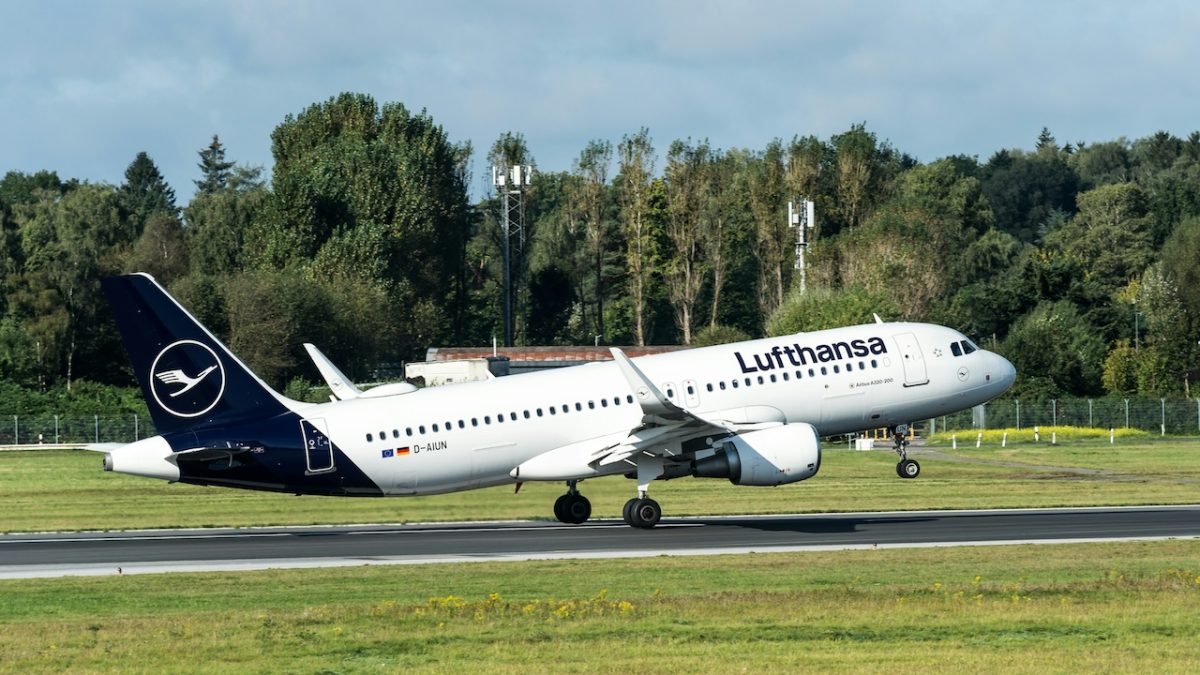
The lights are coming back on between Europe and Kazakhstan. Lufthansa just confirmed it will restart regular service between Frankfurt and the country's two major hubs, Almaty and Astana, beginning March 29, 2026. This matters more than a routine schedule restart because Kazakhstan has spent the last year throwing open its doors in ways that catch most Western travelers off guard.
The airline will operate five flights weekly to Almaty and four to Astana, using an Airbus A340-300 with business, premium economy, and economy cabins. It's a serious commitment for both corporate travelers and leisure visitors curious about a country that remains refreshingly unexplored by most Europeans.
Why This Pause Happened (And Why It Matters)
Lufthansa cut these routes last October after five months of strong momentum. The carrier cited economic efficiency and seasonal patterns as reasons, along with aircraft availability constraints. Fair enough. But the timing stung because Kazakhstan was on a real roll. In the first half of 2025 alone, the country welcomed 600,000 more international visitors than the year before, a jump of 8.7 percent that pushed total arrivals to 7.5 million.
Officials weren't sitting idle during the downtime either. The government fast-tracked plans to launch 19 new routes across Europe, Asia, and the Middle East. Budapest, Milan, Munich, and Prague all came online. So did routes to Belgrade, Sofia, and Vienna. At the same time, EU border queues are about to get shorter for Kazakhstan travelers, as the country worked to streamline crossing procedures for visitors.
The Visa Revolution That Changed Everything
Here's the real story: Kazakhstan got serious about welcoming outsiders. By July 2025, citizens of 56 countries could enter visa-free for up to 30 days at a time, up to 90 days within any 180-day window. That alone is a game changer for spontaneous European trips.
But there's more. Last November, the country introduced the Neo Nomad visa, designed for remote workers and digital entrepreneurs who want to base themselves in Kazakhstan for a year (renewable for another). Family members and dependents of visa holders get the same access. This policy shift signals something bigger: Kazakhstan is competing seriously for the global remote worker market, even as other regions face headwinds.
Infrastructure Built for Growth
Airports are getting major upgrades too. Almaty, Kyzylorda, and Shymkent all have shiny new or modernized terminals. Two brand new regional airports are under construction in Katon-Karagay and Zaisan to push domestic tourism and regional connectivity further. When an airport announces new capacity like this, you know it's gearing up for something.
Timing matters. While Dubai's tourist season goes silent as regional tensions ground flights, Kazakhstan is moving in the opposite direction. Middle East tourism carries uncertainty right now. Kazakhstan doesn't. It's stable, visa-accessible, and hungry for visitors.
What This Means for Travelers
This Lufthansa restart is the thread that reconnects casual Western travelers to a corner of the world they've mostly ignored. Almaty sits at the foot of the Tian Shan Mountains. Astana is one of the world's newest capital cities, built from scratch in the steppe. Neither place feels like a typical European gateway destination, and that's exactly the point.
With no visa required for most Europeans, five weekly connections from Frankfurt, and a country actively rolling out the welcome mat, March 2026 looks like the moment Kazakhstan finally breaks through into mainstream travel conversations. Book early if you're thinking about it.