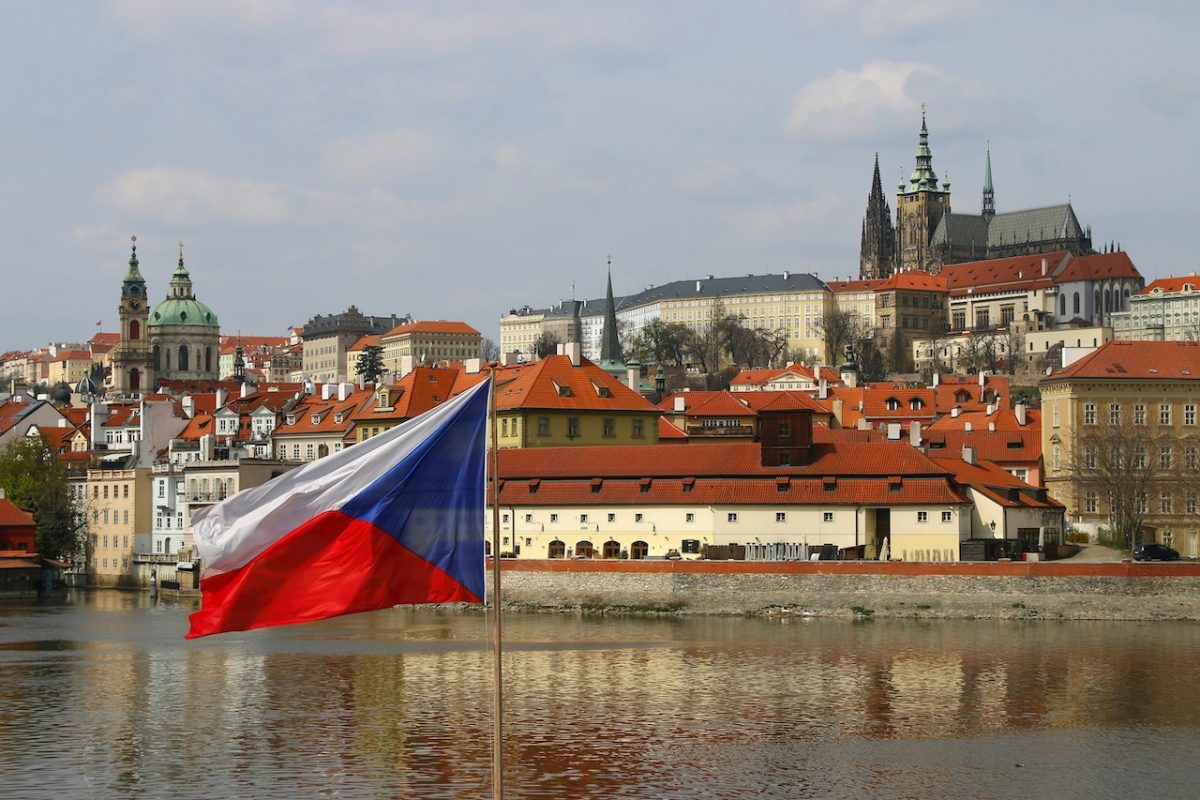
The data landed quietly but speaks volumes. The Czech Republic has vaulted to the top of Europe's growth charts, posting an 18% year-on-year spike in bookings despite geopolitical tensions and fuel headaches that would typically cool travel ambitions. For a region accustomed to watching the same destinations hog the spotlight, this shift feels genuinely significant.
Iceland comes in second with 11% growth, trailed by Denmark at 8%. But here's what makes Prague's ascent different: it reflects a broader traveler mood that's finally tired of the old formula. Seven European hotspots have long hogged a fifth of all tourist nights, but fresh data from Amadeus Travel Intelligence and UN Tourism shows travelers are now scouting elsewhere. Central and Eastern Europe as a whole absorbed 6% more visitors in the first quarter of 2026 compared to the same period last year, while Western Europe limped along with just 2% growth.
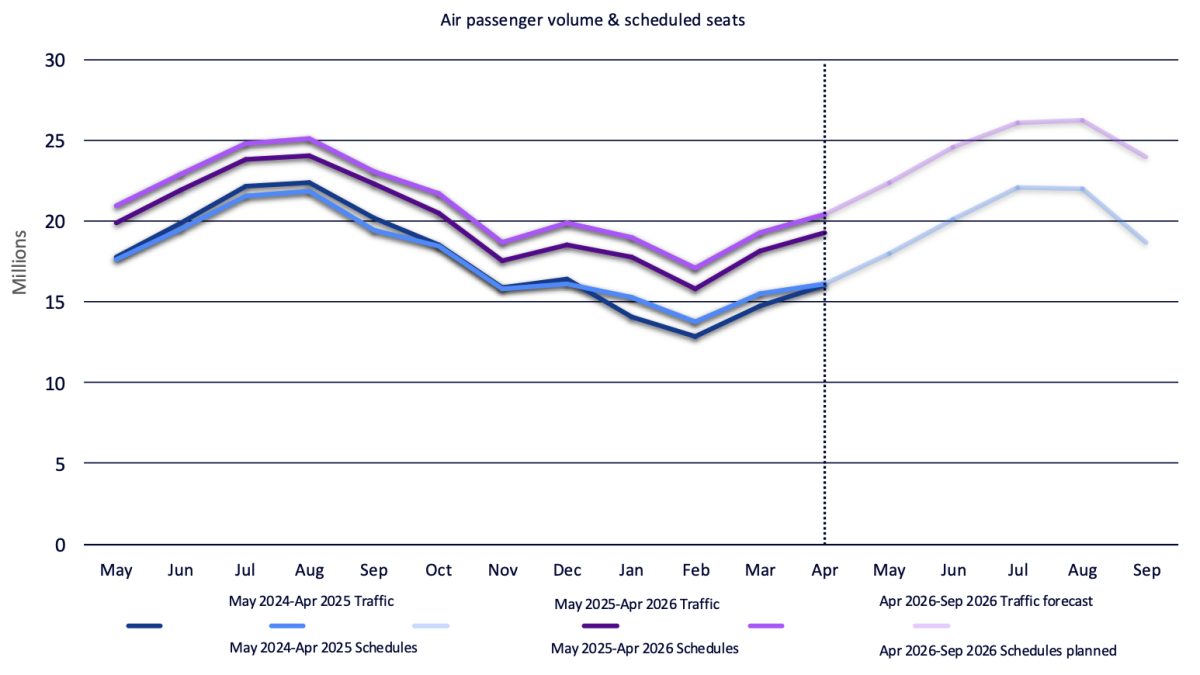
Why Now
Geopolitical instability in the Middle East redirected some international traffic away from that region, but that's only half the story. The bigger pattern is what industry analysts call the "coolcation" trend: travelers hunting for authentic experiences, smaller crowds, and destinations that haven't been picked clean by Instagram yet. Hotel occupancy in Czech Republic hit 60%, a strong number showing the infrastructure is keeping pace with demand.
Americans, Germans, and Spanish travelers still dominate Europe's air routes, but watch the secondary markets shifting. Japanese visitors jumped 19%, Danes 11%, and Egyptians 8%. These aren't big numbers individually, but they signal that word is spreading beyond the traditional tourist circuits.
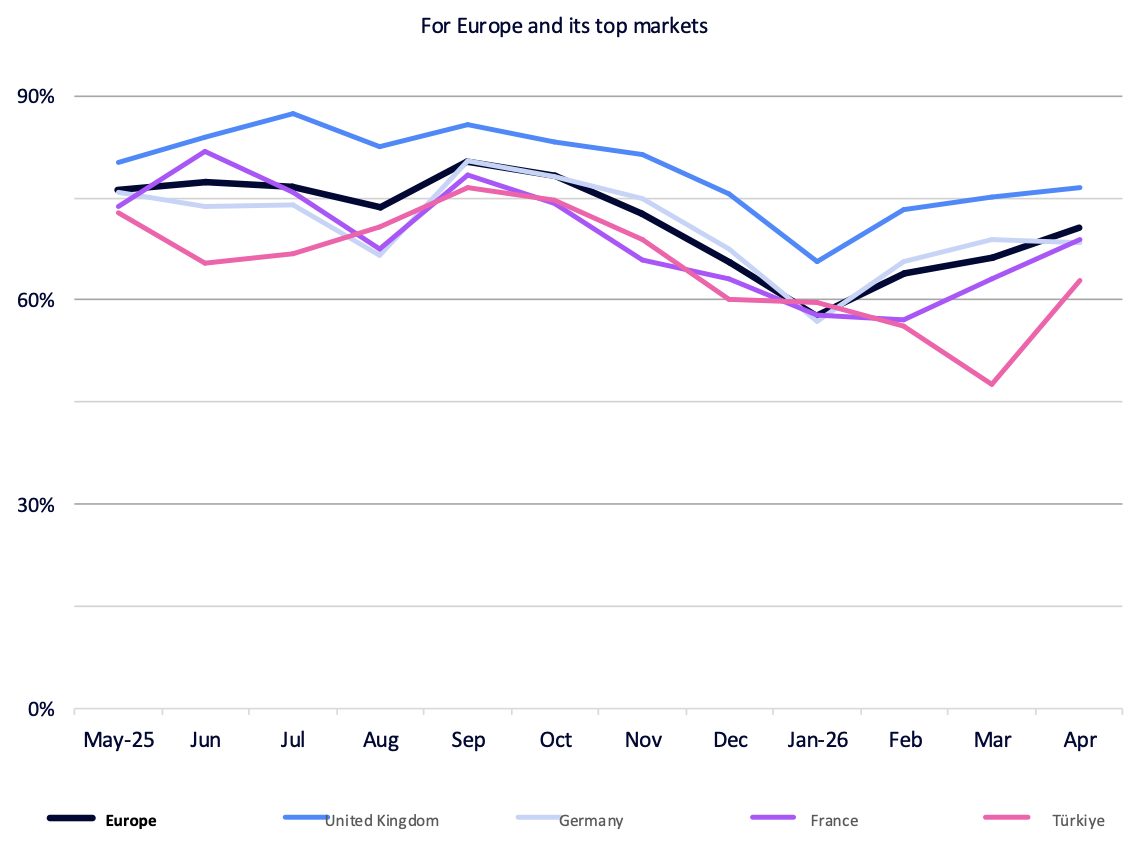
The Bigger European Picture
Europe overall welcomed over 130 million international arrivals in the first quarter of 2026, up 4% from the previous year. That's steady growth in a region dealing with real headwinds. Southern Mediterranean destinations still pull crowds, especially during peak summer months, but even there the story is changing. Switzerland logged 36% search growth, Sweden matched that figure, and Denmark, Ireland, and Belgium all crossed the 30% threshold. These nations aren't known for lying on beaches, which tells you what travelers actually want right now.
Search behavior paints a clear picture: Spain remains Europe's most booked and most sought destination overall, but the gap is closing fast. The United Kingdom came in second for searches, followed by increasingly ambitious picks. British travelers themselves are now exploring new routes through Europe, as visa rules continue shaping travel patterns across the continent.
What's Actually Happening on the Ground
Airlines added roughly 1,100 new flight routes in the past year, with over 200 connecting Germany, France, Italy, and Spain to other hubs. But the real story is the long-tail connections: new routes from Slovakia to Spain, Ethiopia to Portugal, China to Greece. These aren't accident. They're betting that travelers want flexibility and less predictable itineraries.
Hotel occupancy across Europe peaked at 80% in September 2025, showing that summer crush is real but concentrating in specific windows. Countries like Norway, Belgium, and Ireland are capturing travelers seeking cooler months and fewer crowds. September arrivals still bring serious numbers, but May and October are becoming increasingly competitive.
The Czech Republic's rise makes perfect sense in this context. Prague offers Old World charm without the exhaustion of Rome or Barcelona. Beer culture rivals Germany's. Castle architecture rivals Austria's. Food is affordable and unpretentious. Hotels run full but don't feel strangled. Central Europe as a whole is finally getting the attention it deserves after decades of being treated as a detour on the way somewhere "important."
For travelers planning ahead, the message is clear: book your Central European trip soon. The secret isn't secret anymore, and hotel rates will follow demand upward. The age of the overcrowded Mediterranean summer tour isn't over, but it's definitely sharing the stage now.