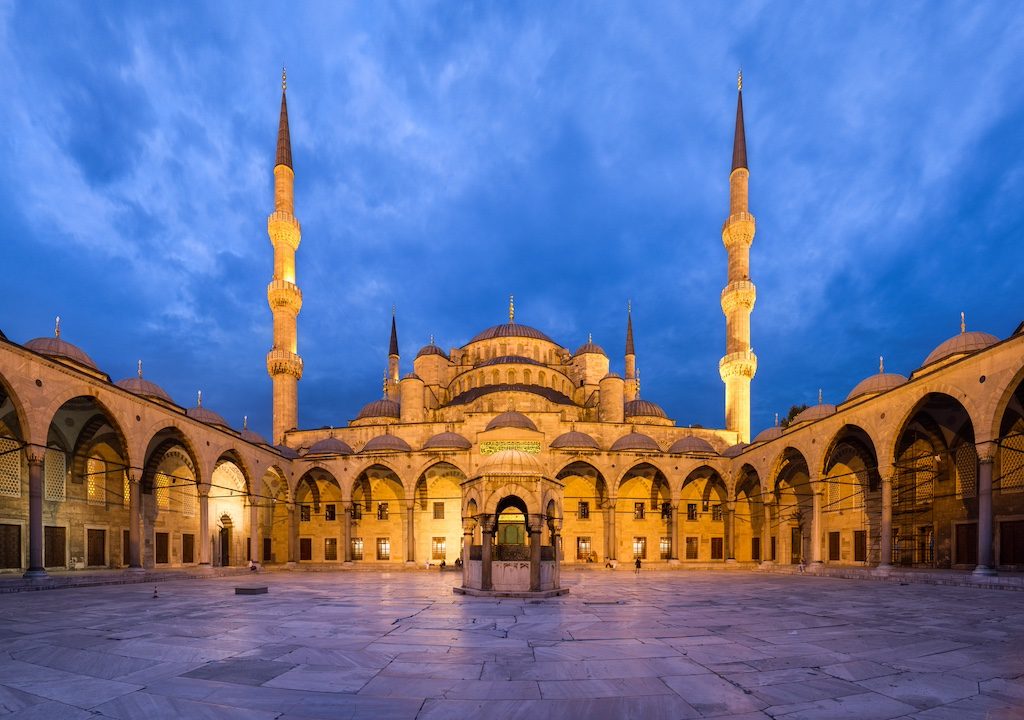
Walk through Istanbul's historic Sultanahmet district and you'll spot it immediately: the Blue Mosque rising above the cityscape with an unmistakable silhouette. Those six slender minarets aren't just decorative flourishes. They're the product of one of the Ottoman Empire's most explosive architectural controversies, one that nearly triggered a religious diplomatic crisis and forever changed how the world sees this 17th-century masterpiece.
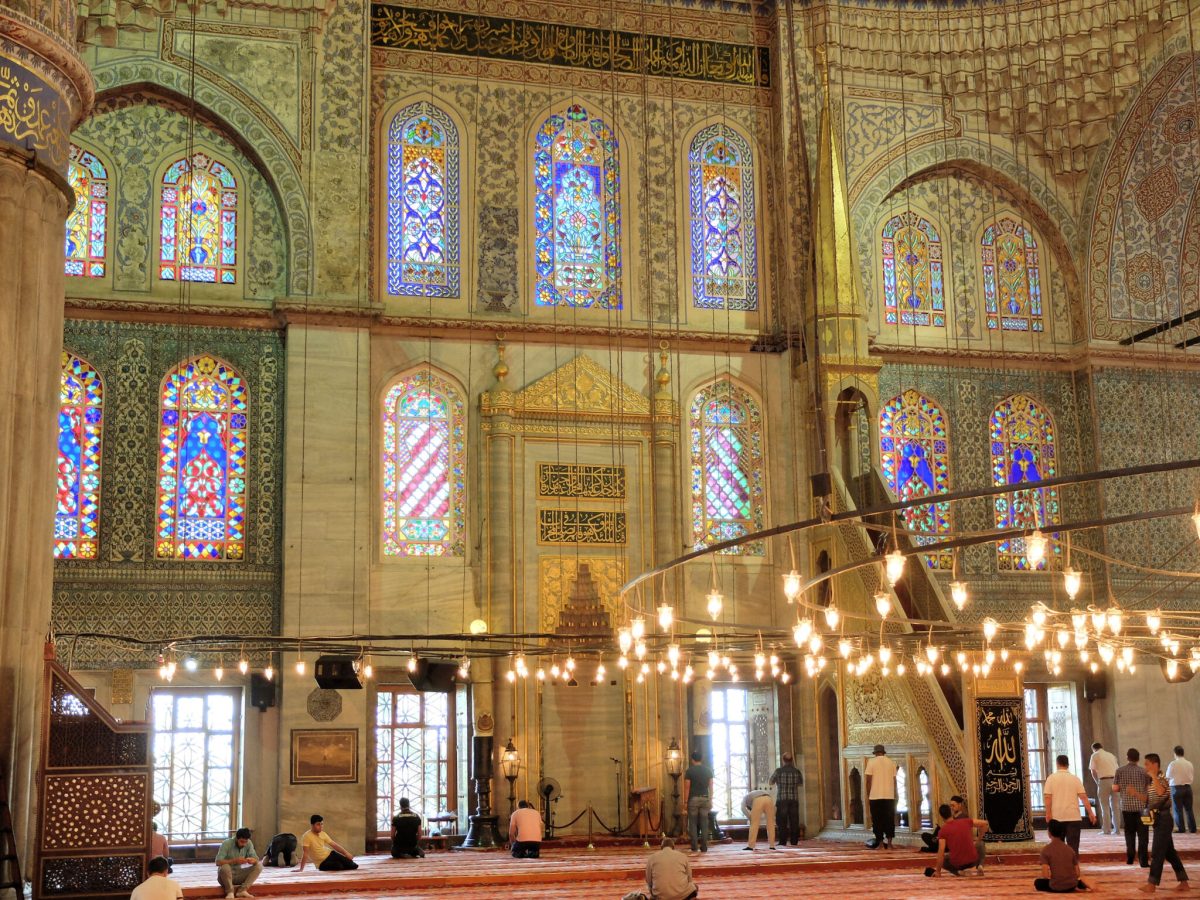
The mosque's official name honors Sultan Ahmed I, the young Ottoman ruler who commissioned it in 1609 when he was just 19 years old. But locals know it better as the Blue Mosque, thanks to the 20,000-plus handcrafted Iznik tiles that blanket its interior in shades of cobalt and turquoise. Step inside and you understand the nickname instantly. Hundreds of windows flood the prayer hall with natural light, bouncing off those tiles to create an otherworldly blue glow that feels less like decoration and more like the space itself is breathing.
What truly sets this building apart, however, isn't its stunning interior or its commanding position opposite Hagia Sophia. It's the audacious decision that nearly started a religious firestorm. Ottoman imperial mosques traditionally featured up to four minarets. Sultan Ahmed decided on six. When word spread that Islam's holiest sanctuary, the Great Mosque of Mecca, also had six minarets at the time, controversy erupted across the empire. Critics didn't mince words: the young sultan was trying to elevate his mosque to the same spiritual level as Mecca itself. It was seen as hubris, blasphemy, a dangerous overreach by a ruler who hadn't earned the right to such grandeur through military conquest.
The Scandal That Reshaped Two Skylines
Construction began in 1609 and continued for seven years while the debate raged. The Ottoman Empire was still powerful, but Sultan Ahmed hadn't delivered the military victories that traditionally justified building an imperial mosque on such a colossal scale. His ambition seemed naked, almost naive. Clerics and observers questioned whether a 19-year-old could possibly warrant such a monument.
The resolution came in classic Ottoman fashion: diplomacy wrapped in architecture. According to tradition, Sultan Ahmed financed the construction of a seventh minaret at the Mecca mosque, restoring its unique status as Islam's primary sanctuary while allowing his Istanbul creation to keep its six distinctive towers. One problem solved, two monuments enhanced, and a young sultan's legacy secured. (For architecture enthusiasts, historical sites often reveal unexpected stories of power and ambition built into their very stones.)
A Monument to Ottoman Mastery
The architect, Sedefkâr Mehmed Ağa, was a student of the legendary Mimar Sinan, and his handiwork shows it. The mosque's cascading domes, spacious courtyard, and perfectly balanced proportions somehow manage to feel both monumental and welcoming. It borrowed heavily from Byzantine engineering, drawing inspiration from the nearby Hagia Sophia, yet created something entirely Ottoman in its identity.
Inside, the details pull you into the 17th century. Intricate floral motifs cover nearly every surface. Stained-glass windows cast colored light across the stone. Enormous chandeliers, once lit by oil lamps, still display ostrich eggs suspended inside them, a clever deterrent against spiders weaving webs around the flames. Some visitors miss these details entirely, too busy taking photos of those famous blue tiles catching the light.
Sultan Ahmed didn't live long enough to see his mosque become one of the world's finest examples of Ottoman architecture. He died in 1617, just a year after the building's completion, at the age of 27. His reign was brief. His legacy, though, endured. The six minarets that once sparked outrage became Istanbul's most recognizable silhouette, a symbol of the city's religious and cultural depth.
Planning Your Visit
The mosque underwent an extensive six-year restoration completed in 2023, so what you see today is the building in pristine condition. It's open from 8am to 7pm and admission is completely free, though visitor access pauses five times daily for approximately 90 minutes during prayer times. Respectful dress is required: men must cover shoulders and knees, while women need a head covering (scarves are provided at the entrance if you don't bring one). The silence inside becomes part of the experience, a reminder that this is an active place of worship, not just a museum.
Standing beneath those six minarets, you're witnessing more than Ottoman architecture. You're standing in the shadow of a young sultan's audacity, a clerical compromise that rewrote religious geography, and the enduring power of ambition channeled through stone and tile. That's what makes the Blue Mosque different from countless other historical sites. Its six minarets tell a story that's larger than themselves.