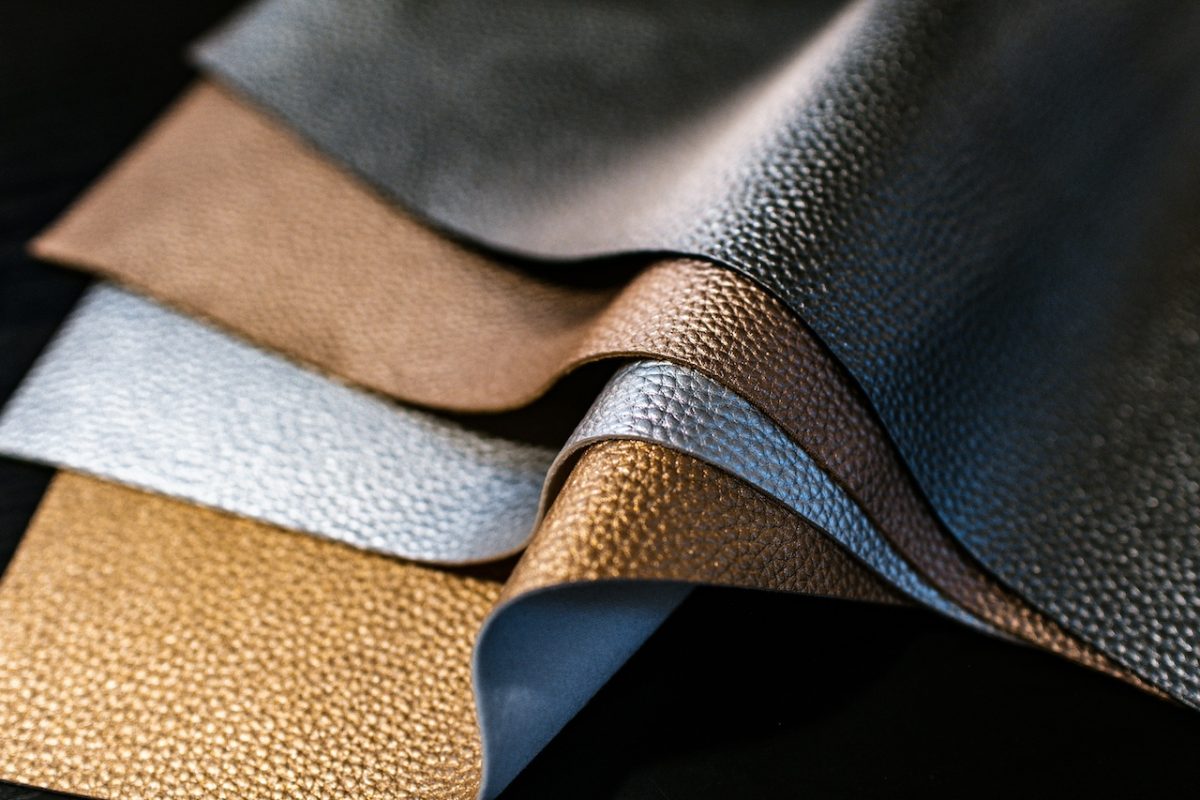
Every brewery produces mountains of spent grain. It's what remains after hops and barley have surrendered their flavor to the beer. For decades, this waste was quietly shipped off to become animal feed. But what if we could do something far stranger and more useful with it?
That's the question that led Edward Mitchell and Brett Cotten to start Arda Biomaterials, a London-based company turning brewery waste into something that mimics leather better than most plastic alternatives ever could. Their product, called New Grain, isn't just another vegan leather knockoff. It's a genuinely different material made without a single plastic binder or coating.
The Grain-to-Leather Alchemy
The Bermondsey neighborhood where Arda operates had a perfect historical accident working in its favor. It was once London's leather tanning epicenter, and today it's become a brewing hub. Walking the same streets where tanners once worked, the founders spotted their opportunity: combine two industries that shared the same neighborhood but had never actually talked to each other.
The process itself reads like high-school chemistry meets kitchen experimentation. Plant proteins from spent grain get unraveled into long, orderly chains. These chains then link together to create something collagen-like, the same structural protein that makes real leather supple and wearable. Think of it as protein origami, except the final shape is a gorgeous material instead of a cramped piece of paper. Add pigments, pour it into a textured mold, and you've got faux leather that looks and feels like the real thing.
It's not entirely new thinking. The food industry already uses similar techniques to engineer plant-based meat. Arda simply adapted that playbook for fashion.
Why This Actually Matters for Travelers
Conventional leather leaves a crushing environmental footprint. Cow leather production uses roughly 40 times more water than most synthetic alternatives, and tanneries pump chemicals into groundwater across the developing world. Synthetic leather, meanwhile, just moves the problem to fossil fuel extraction and plastic pollution. Neither option is great if you actually care about the planet.
New Grain uses just 3% of the carbon footprint of conventional leather. Compared to synthetic leather, it's 82% lower. And unlike those other faux-leather options currently on shelves, this material should actually biodegrade once it reaches the end of its life. "We're one of extremely few solutions that have remained completely plastic-free," Camelia Hamdi-Cherif, Arda's commercial lead, told Dezeen. "Other alternatives ended up having to rely on plastic binders and top coats. That's become the standard, but we don't see it as a long-term solution."
When Can You Actually Buy It
Here's where the story gets real: New Grain isn't in stores yet. It's still in the demonstration phase, which means prototypes exist, samples have been tested, but mass production hasn't kicked off. The company has already signed partnerships with beer giant AB InBev and whisky producer Diageo, giving them access to enough spent grain to scale up significantly. A limited commercial launch is planned for sometime in 2026.
Arda believes they can undercut both animal and synthetic leather on price within three to four years. They're leveraging existing equipment from breweries and the polyurethane industry, which means they don't need to build entirely new manufacturing infrastructure. That's the kind of efficiency that can actually make sustainable fashion economically viable for regular people, not just wealthy shoppers hunting for Instagram-worthy ethics.
The London startup is betting that travelers and conscious consumers are done with the old trade-offs. No more choosing between environmental guilt and style. No more pretending plastic leather is anything but petroleum in disguise. If Arda's timeline holds and New Grain launches as promised, your next leather jacket might come from the brewery down the street, not a tannery dumping chromium into a river thousands of miles away.