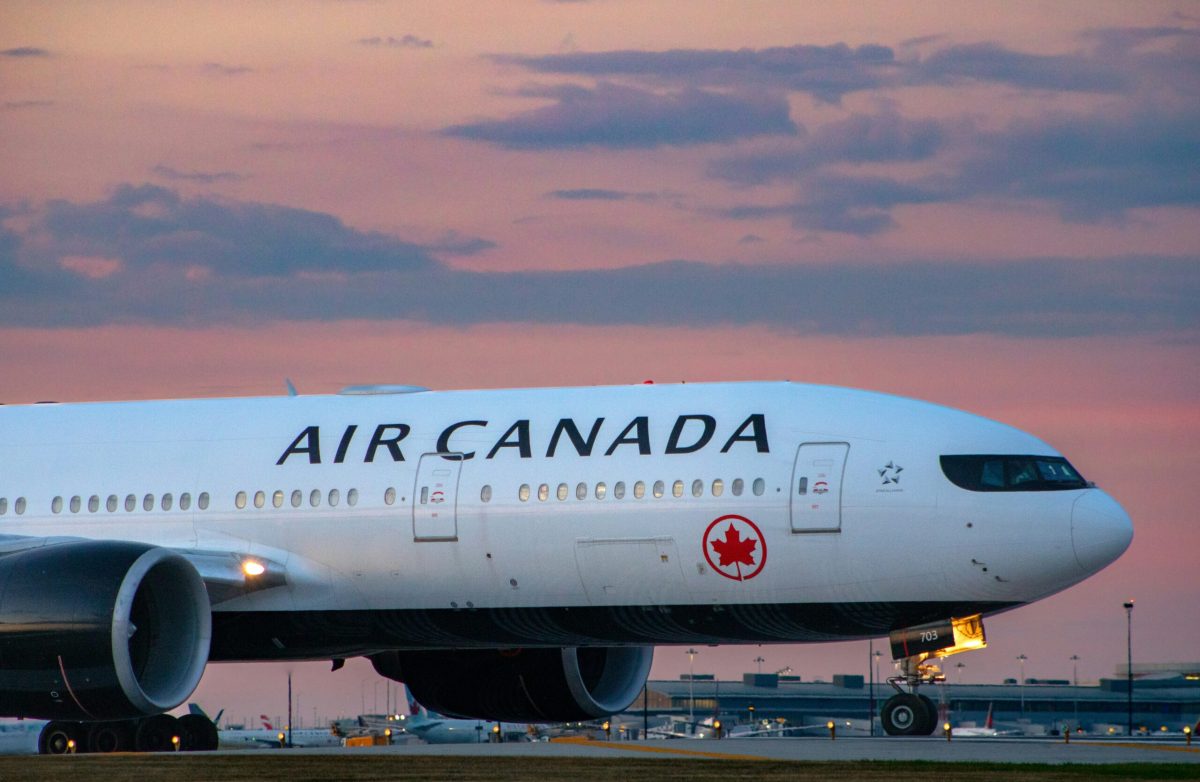
What should have been a routine landing turned catastrophic just before midnight on Sunday at LaGuardia Airport. An Air Canada Express flight operating under Jazz Aviation struck a fire truck on the runway, killing both pilots instantly and injuring dozens of others. The collision occurred around 11:47 pm as the Bombardier CRJ-900 regional jet, carrying 76 people total, descended toward New York from Montreal.
The jet's nose absorbed the full impact of the collision with the emergency vehicle. Photos of the damaged aircraft show catastrophic damage to the front of the plane. The fire truck overturned on impact, hurling its crew members from the vehicle. Remarkably, the truck's operators sustained broken limbs and other injuries but remained in stable condition, a sharp contrast to the fate of the pilots in the cockpit.
How This Happened
Air traffic control recordings reveal a chilling moment of miscommunication. The fire truck had initially received clearance to cross the runway. Seconds later, a controller's voice cuts through urgently: "Stop, Truck 1, stop." The warning came too late. Audio from the tower captures the frantic moments as controllers attempted to divert incoming aircraft, but the collision was already inevitable.
Both the aircraft and the emergency vehicle had received valid clearance simultaneously. The fire truck was responding to a separate incident involving a United Airlines flight that had reported an unusual odor on board. This dual clearance situation now sits at the heart of the investigation, with federal authorities examining how two vehicles received permission to occupy the same runway space at the same time.
The Aftermath and Emergency Response
Emergency crews moved with practiced precision once the collision occurred. The aircraft's engines had shut down on impact, allowing first responders to open the rear exit and evacuate passengers without additional complications. Of the 41 people initially taken to hospitals across Queens, 32 have since been discharged. Nine remain hospitalized, with some facing serious conditions.
Port Authority Executive Director Kathryn Garcia confirmed the pilot deaths during a Monday morning press conference. Air Canada and Jazz Aviation have since released statements expressing condolences to the families of the two crew members and extending support to injured passengers and staff. Both carriers are cooperating fully with investigators.
One particularly haunting detail emerged in early reports: a flight attendant was discovered outside the aircraft, still strapped into her jumpseat, suggesting the violence of the impact threw her clear of the cabin entirely.
Airport Closure and Travel Disruptions
LaGuardia Airport, which handles over 32 million passengers annually and ranks among the nation's busiest hubs, entered a complete ground stop. The Federal Aviation Administration issued a closure order lasting until at least 2 pm local time on Monday. For travelers, this meant cascading delays across the New York region and broader Northeast corridor. Flight cancellations rippled through one of America's most critical aviation gateways.
Those planning travel to New York in the coming weeks should monitor airline notifications closely. Disruptions of this magnitude typically reverberate through schedules for days, and rebooking can become complicated. Understanding airline protocols during crises can help travelers navigate rebooking more effectively.
The Investigation
The National Transportation Safety Board launched a full investigation into the collision, with the FAA providing support. Both the Transportation Safety Board of Canada and U.S. authorities are examining what allowed simultaneous clearances to occur. This breach in runway management represents a rare but catastrophic breakdown in systems designed to prevent exactly this type of incident.
US Transport Secretary Sean Duffy issued a statement acknowledging the tragedy and committing federal resources to understanding what went wrong. The preliminary findings will likely reshape how busy airports manage overlapping clearances and vehicle movements, particularly during high-traffic periods when mistakes become deadlier.
For travelers passing through major U.S. airports, this incident serves as a stark reminder of the complexity underlying routine flights. While aviation remains statistically the safest form of long-distance travel, these rare disasters underscore why every system, protocol, and clearance matters profoundly.