The aviation industry maintains an image of precision and professionalism. Pilots are trusted with hundreds of lives. Yet behind that polished facade, a recent scandal involving a British Airways pilot has revealed uncomfortable gaps in how airlines respond to serious allegations.
The 31-year-old pilot was removed from flying duties after his arrest by London's Metropolitan Police. He faces charges of voyeurism against up to 16 air crew members from multiple carriers, including British Airways and Virgin Atlantic. The alleged victims range in age from 23 to 36. According to investigators, the pilot is accused of secretly filming intimate moments without consent and distributing the footage online, which constitutes separate criminal offences with potentially harsher penalties.

How the Alleged Crimes Unfolded
The mechanics of the alleged abuse paint a calculated picture. Investigators say the pilot would set up a laptop in hotel rooms, play music to mask activity, and cover the indicator light that would signal the device was recording. Crew members from different airlines became unwitting targets, with no knowledge their privacy had been violated in this way.
Katie Russell from Rape Crisis England and Wales has spoken extensively about the trauma caused by image-based abuse. In her 2020 commentary on voyeurism cases, she emphasized how significant the psychological damage can be for survivors of non-consensual filming. Unlike other crimes that leave physical evidence, this violation of privacy leaves scars that authorities and support systems often struggle to address adequately.
Legal Consequences and Professional Fallout
Under UK law, voyeurism charges can result in up to two years imprisonment when prosecuted in Crown Court. Offenders may also be required to register as sex offenders. The online distribution of footage aggravates charges substantially, potentially leading to steeper sentences.
The substance abuse allegations compound the severity of the case. The pilot was recorded using cocaine, triggering scrutiny from the UK Civil Aviation Authority. Flying commercial aircraft while impaired by drugs carries penalties of up to two years in prison and unlimited fines. If drug use is deemed to have endangered passenger safety, sentences can reach five years. Beyond criminal punishment, the pilot faces professional extinction. His airline license would be revoked, his career terminated, and any future background checks would automatically fail due to a criminal record.
What Airlines Are Saying
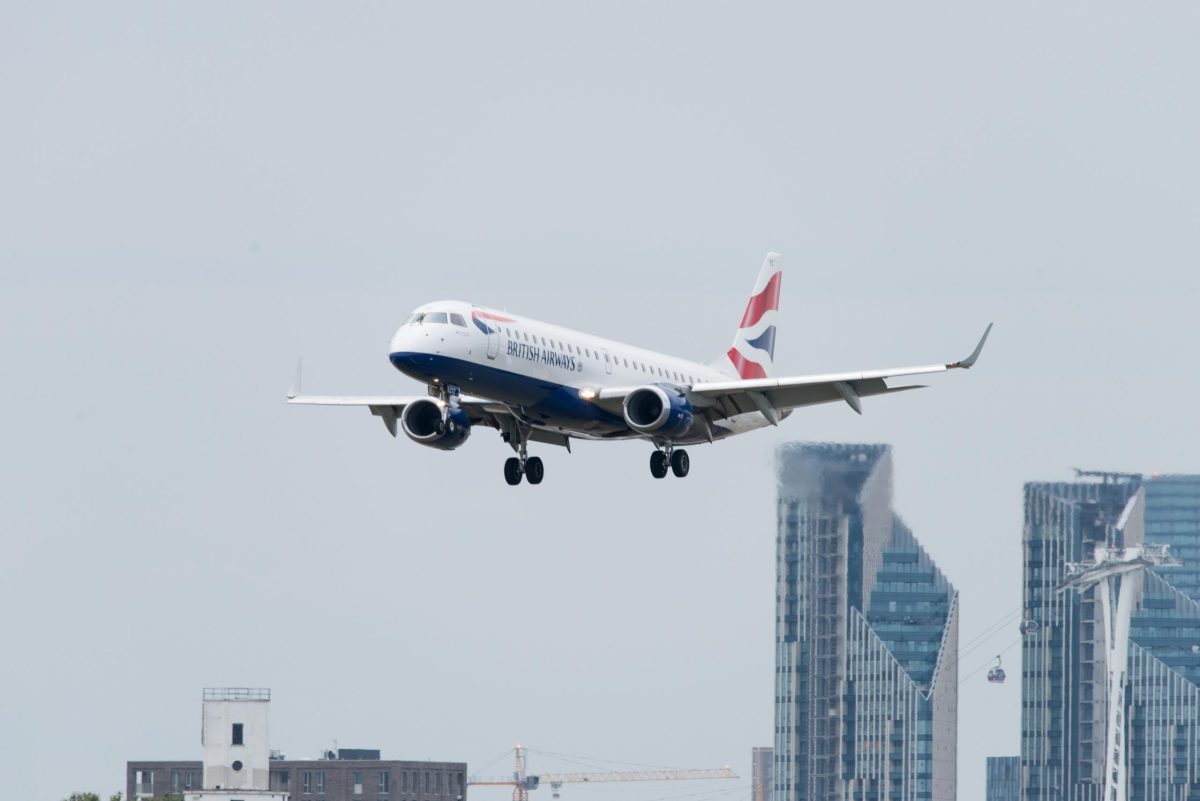
British Airways confirmed to media outlets that the pilot has been suspended while police investigate. The airline stated he is receiving support, though details about whether alleged victims are receiving similar assistance beyond what police services provide remain unclear. The Civil Aviation Authority declined to comment on individual cases but indicated that reports of substance misuse are under review with appropriate action to follow.
This case raises uncomfortable questions about accountability and protection within the aviation sector. Crew members spend extensive time in confined spaces and shared accommodations with colleagues. When trust is broken at that level, the implications extend far beyond a single investigation. Other high-profile incidents involving aircraft personnel suggest that behavior management within airlines requires consistent oversight and reporting mechanisms that some carriers may lack.
What This Means for Travelers
While this case is exceptional, it serves as a reminder that safety within aviation extends beyond mechanical systems and flight operations. The wellbeing of crew members directly impacts service quality and security onboard. Airlines that fail to create safe reporting channels or respond swiftly to allegations create environments where misconduct can escalate unchecked.
For travelers, this underscores the importance of choosing airlines with transparent safety policies and strong internal reporting structures. The incident also highlights why crew members deserve robust support systems when incidents occur. An airline that protects its employees creates better conditions for everyone who flies.