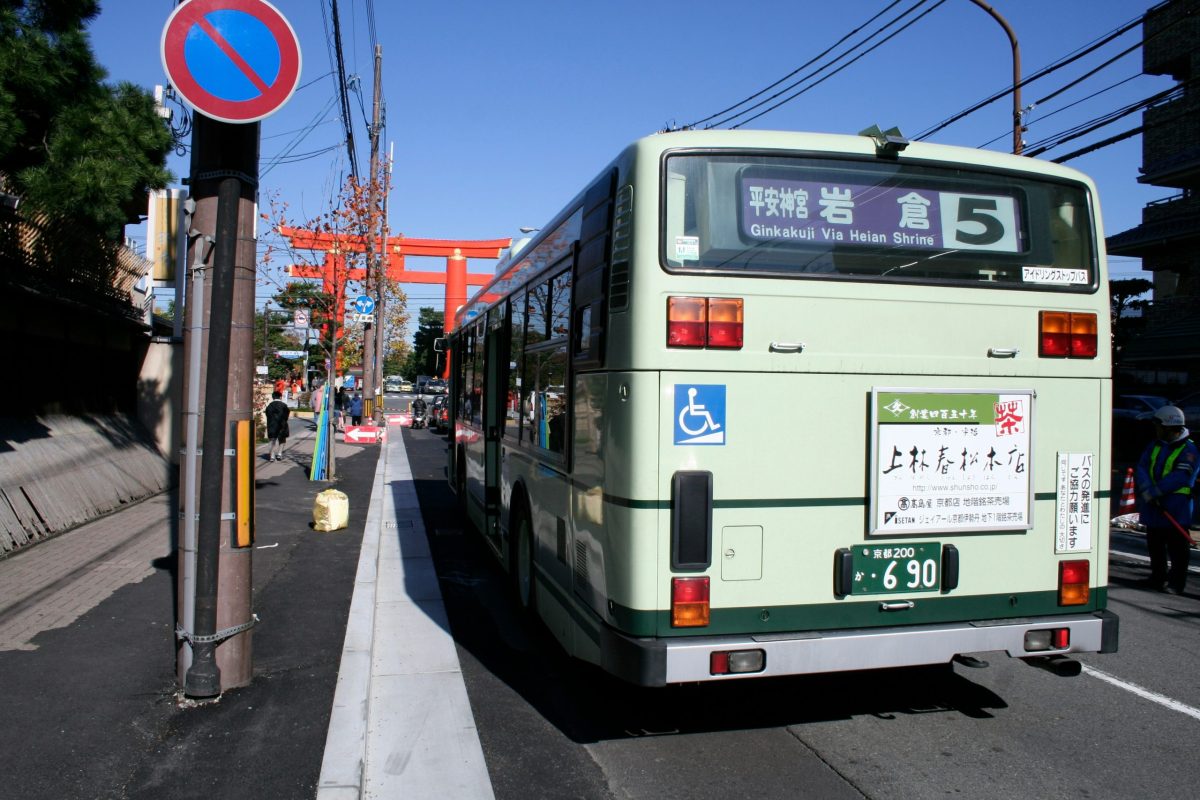
Kyoto is famous for its golden temples, vermilion gates, and now, its crowded buses. The city's municipal government has unveiled a proposal that would make visitors pay significantly more for a single bus ride than local residents. Under the draft ordinance, tourists would pay 360 yen (about €2.06) for a city bus ride, while registered residents would pay just 200 yen (€1.15). The current flat fare for all adult passengers is 230 yen (€1.32).
The proposal, announced on 17 November, is part of a broader effort to manage overtourism and ease the strain on public transport. The city assembly will consider the ordinance during a session that opens on 24 November. If approved, the new fares could take effect in the financial year starting April 2027, though a specific launch date has not been set. The change also requires national approval.
The higher fare would apply not only to international tourists but also to Japanese visitors from outside Kyoto. To get the resident discount, locals would link their transit smart card to their My Number card, Japan's national ID. They could then tap their card on the bus without showing proof of address. Residents paying cash would still pay the standard fare.
For commuters who live outside Kyoto but travel into the city for work or study, the transport bureau plans to keep commuter pass prices unchanged. There's also a proposal to reward frequent riders with points based on how often they buy individual tickets.
The move comes after complaints from residents about sharing buses with tourists hauling large suitcases. On some routes, buses fill up at peak times, leaving passengers at stops unable to board. Mayor Koji Matsui said Kyoto would continue to "welcome tourists warmly" and that the lower fare was intended to benefit residents.
Kyoto recorded 62.79 million visitors in 2025, its highest total ever. Domestic travelers made up 50.11 million of that figure, while overseas visitors reached 12.68 million, up 1.8 million from the previous year. The surge has put immense pressure on the city's infrastructure, and this fare proposal is one of several measures aimed at easing the load.
The city is also considering separate admission prices at Nijo Castle from June 2027. A ticket covering the castle grounds and Ninomaru Palace currently costs 1,300 yen (€7.46). Under the proposal, visitors from outside Kyoto would pay 2,000 yen (€11.47), while city residents would pay 1,000 yen (€5.74).
This isn't the first time Kyoto has tried to balance tourism with local life. In March 2026, the city raised its accommodation tax, the first change since it was introduced in 2018. The tax now starts at 200 yen (€1.15) per person per night for stays under 6,000 yen (€34.41), and at the top end, it jumped tenfold from 1,000 yen (€5.74) to 10,000 yen (€57.36) per guest.
If you're planning a trip to Kyoto, these changes could affect your budget. While the bus fare increase is still a proposal, it's worth keeping an eye on. For now, the city remains open and welcoming, but the days of cheap, easy bus travel for tourists may be numbered. Similar debates are happening across Europe, from Barcelona's new tourism strategy to Edinburgh's visitor tax. Kyoto's approach is unique, but it's part of a global conversation about how cities can thrive with tourism without losing their soul.