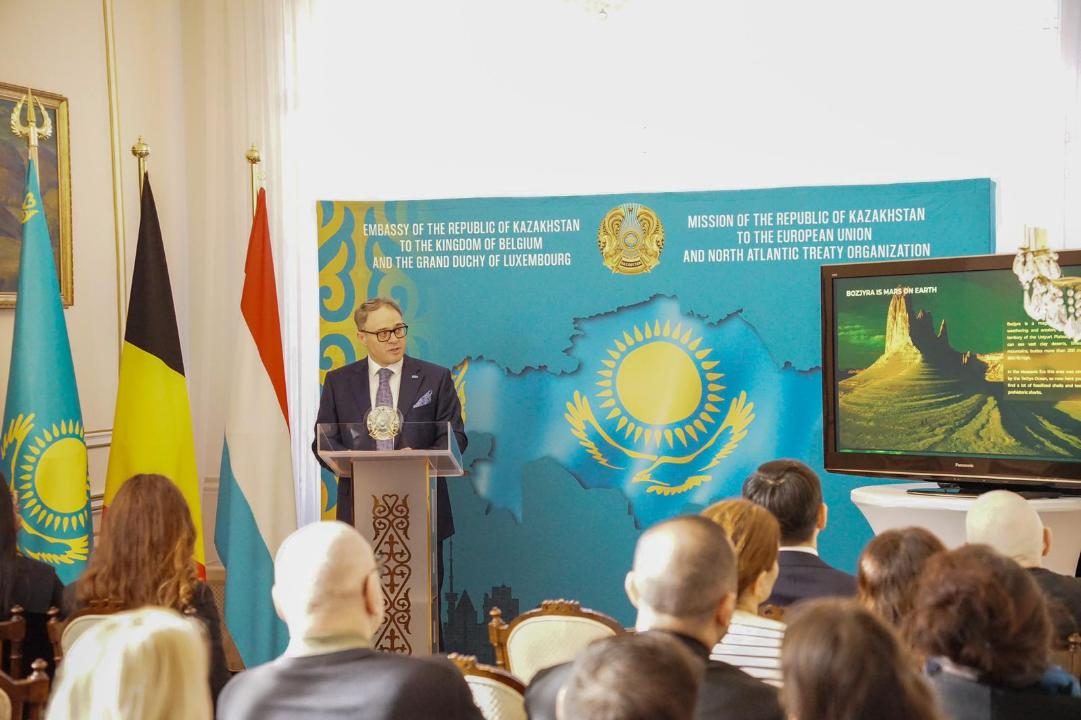
In Brussels last February, Kazakhstan made its case to two dozen Belgian tour operators with a simple pitch: we are ready, our partners are ready, and we want you to bring your clients. The message hit differently than typical tourism promotions. Roman Vassilenko, Kazakhstan's Ambassador to Belgium, wasn't selling dreams. He was selling logistics, partnerships, and a long-term commitment to building real travel infrastructure for the European market.
The timing matters. Around 6,200 Belgian citizens visited Kazakhstan in 2025, a 15 percent jump from the year before. That's still small potatoes compared to Asian visitor numbers, but it signals something: Europe is waking up to Central Asia. The country welcomes 15.7 million visitors annually now, and they're actively courting European operators to fill more seats on those flights routing through Istanbul.

Why Now Matters for Belgian Travelers
Getting there is no longer complicated. Belgian citizens enter visa-free for up to 30 days. Turkish Airlines runs regular service from Brussels through Istanbul to Astana, Almaty, Turkistan, and Aktau. That connectivity removes one of the biggest friction points that keeps European travelers anchored to familiar destinations.
The three main cities each offer different flavors. Astana shows off Kazakhstan's modernist side with its geometric architecture and planned boulevards. Almaty trades futurism for history and mountain backdrops. Turkistan draws pilgrims and culture seekers to its spiritual landmarks. Most European travelers pick a combination and craft their own itinerary.
What Actually Draws People There
Petroglyphs carved into Tamgaly-Tas rock faces tell stories from thousands of years back. The site carries UNESCO World Heritage status, and walking among those ancient etchings feels like stepping into a conversation with people who lived in Central Asia before empires had names. Archaeology buffs and heritage travelers find legitimate substance here, not manufactured tourism.
The Singing Dunes in Altyn-Emel National Park produce an actual humming sound when sand shifts beneath your feet, a phenomenon photographers and adventure travelers chase. The Aral Sea offers something heavier: a landscape that's mostly vanished due to human activity, presenting a stark reminder of how quickly nature can disappear when we're not paying attention.
Then there's the Silk Road itself. Kazakhstan anchored that ancient trade system for centuries. The caravanserais and old towns still standing aren't museum pieces behind glass. You walk through them, trace the same routes merchants did, and understand why this landlocked nation became essential to global commerce.
For wildlife enthusiasts, the steppes host Saiga deer, rare animals that inspire serious conservation conversations. The Baikonur Cosmodrome appeals to a different crowd entirely: space obsessives who want to stand where rockets launch. It's one of the few places on Earth where visitors can access an active space facility.
What Belgian Tour Operators Are Hearing
Zhibek Kamshibayeva from Turkish Airlines acknowledged a simple truth to reporters: most Belgians don't realize what Kazakhstan offers. That knowledge gap is exactly what the tourism board wants to close. They're pitching tour operators on high-quality infrastructure, professional support, and genuinely unique attractions that don't overlap with standard European itineraries.
Talgat Gazizov, who heads Kazakh Tourism, framed it as market entry strategy. Europe wants new destinations with real cultural and natural substance. Kazakhstan has both. The infrastructure exists. Now they're building the business relationships and tour packages that funnel European travelers eastward instead of toward the same well-worn paths across the continent.
For curious travelers in Belgium and the broader Benelux region, the timing is right. Tour operators are starting to add Kazakhstan to their catalogs. Flights are available. The visa situation is straightforward. And you're arriving when the country is actively investing in the European market, not ignoring it. That means better partnerships, more attention to quality, and fewer crowds than you'll find at destinations that have been selling themselves to Europeans for decades.