When Hoshino Resorts announced plans to convert a 115-year-old prison into a luxury hotel, skeptics had questions. Sleeping behind bars, even refurbished ones? Trading cells for suites? The concept sounded more like a conceptual art installation than a getaway destination. But HOSHINOYA Nara Prison is happening. The doors open in June 2026, and it's already booked solid.
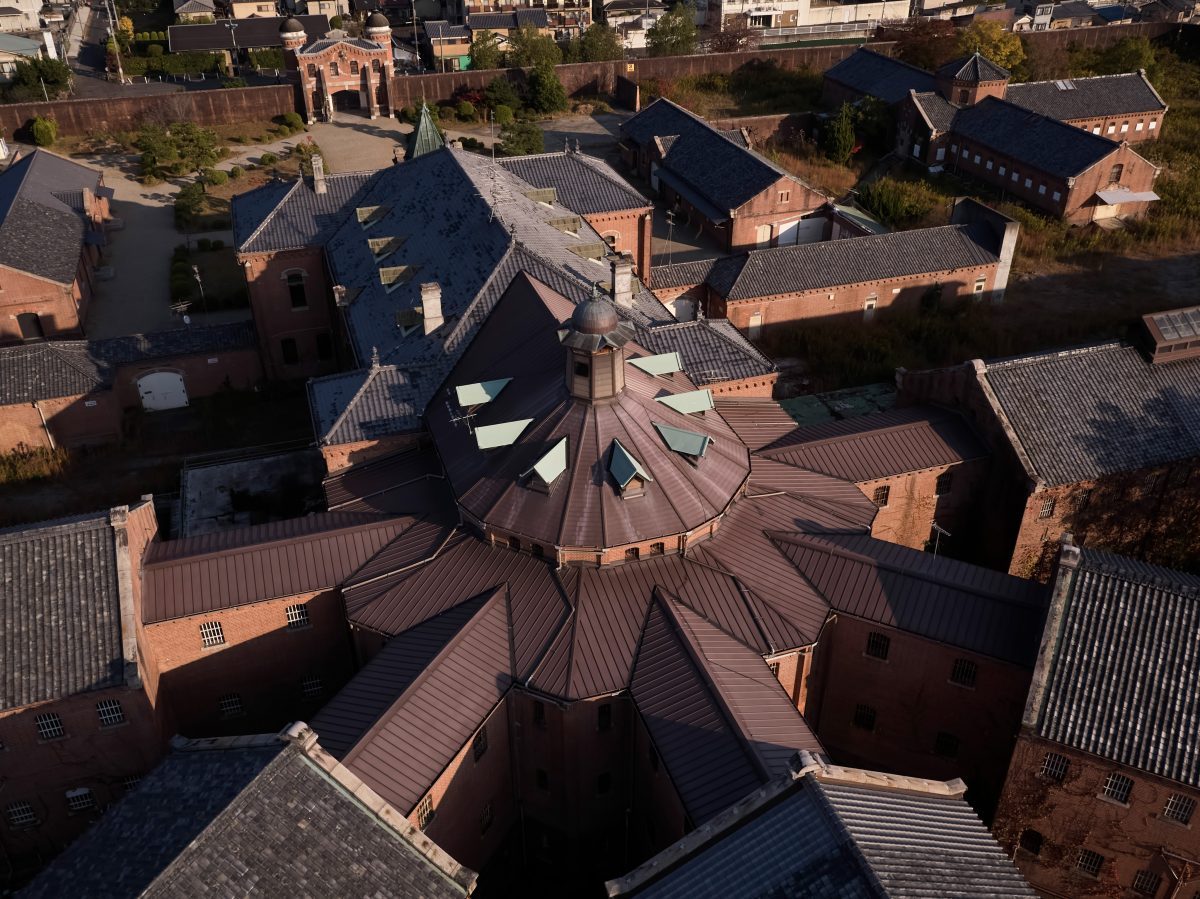
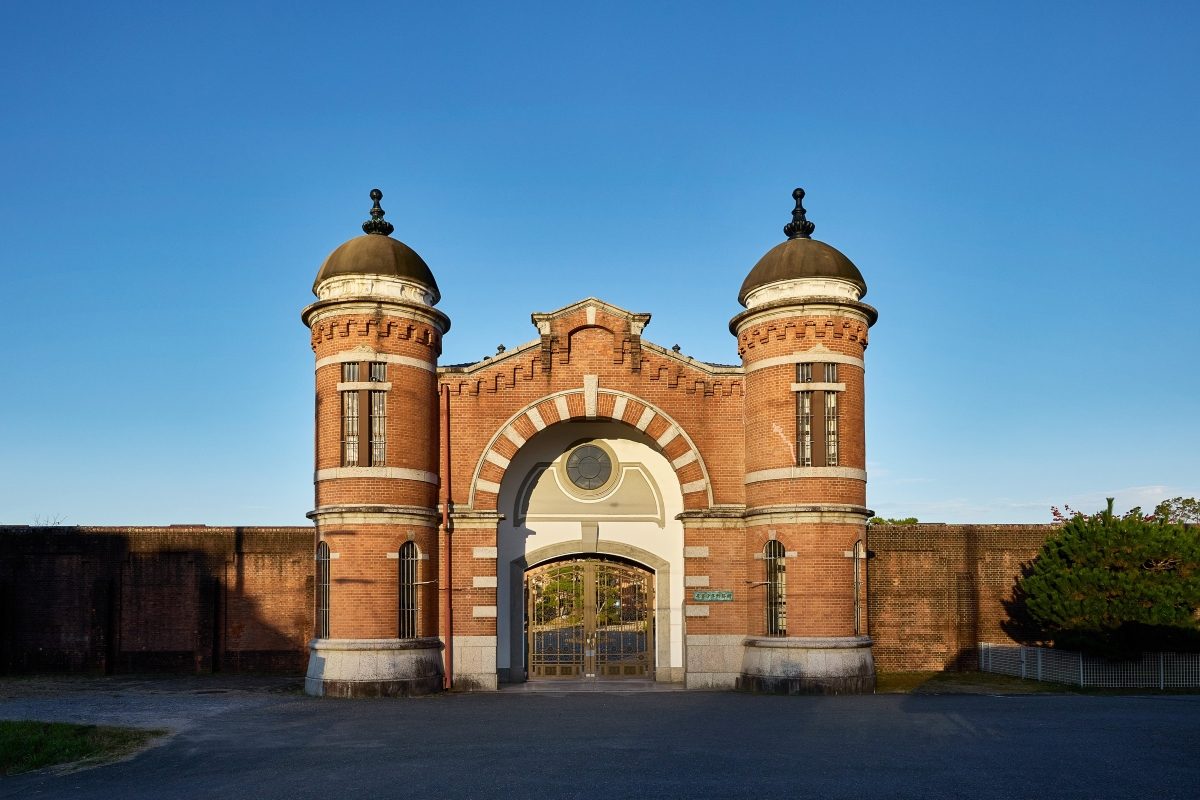
The building standing in Nara today is no ordinary lockup. Completed in 1908, it was one of the Five Great Prisons built during Japan's Meiji era as the country modernized its judicial system. Three of those prisons have been demolished or altered beyond recognition. Nara alone survives in its original form, which is precisely why the Japanese government designated it an Important Cultural Property in 2017. The designation came with guardrails: any future development had to respect the structure's historical integrity.
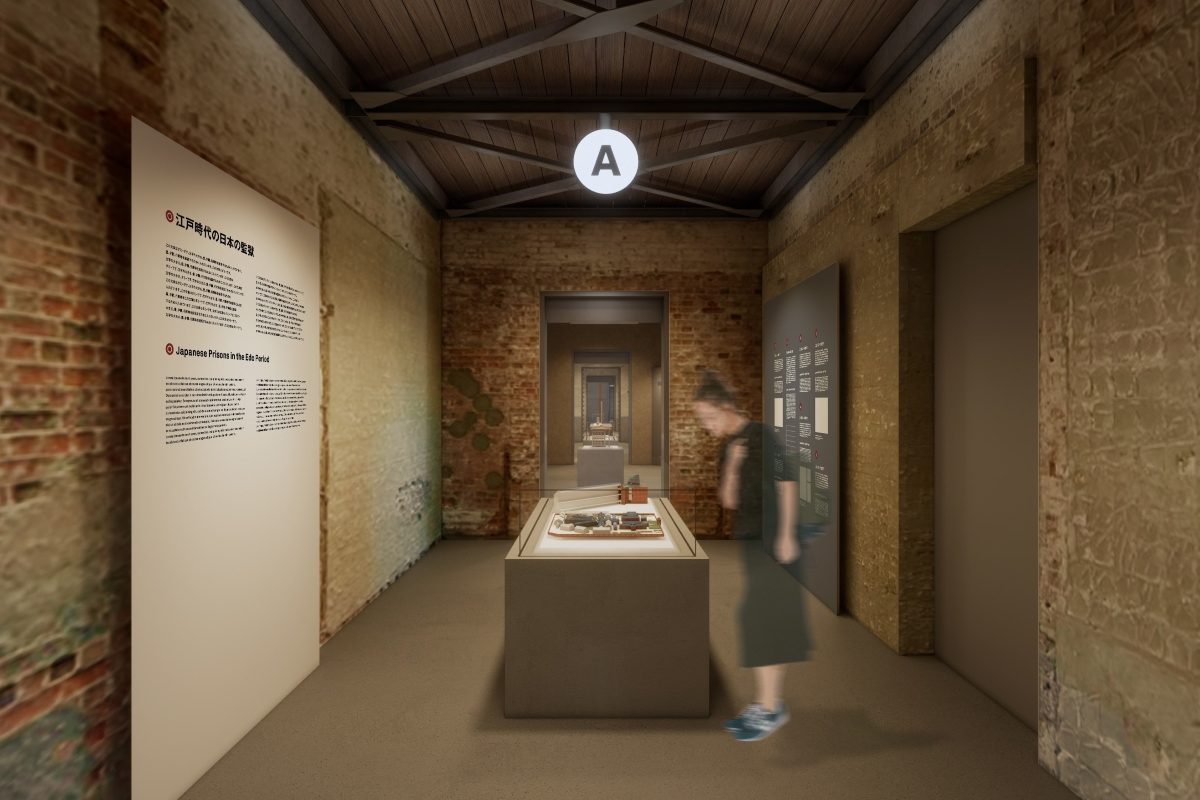
That's where the kintsugi philosophy comes in. Rather than hide the past, Hoshino chose to weave it into the guest experience. The on-site Nara Prison Museum opens to the public on April 27, offering guided tours and exhibitions that tell the facility's story. The name says it plainly: you're staying in a place with scars, and those scars matter.
From Cells to Sanctuaries
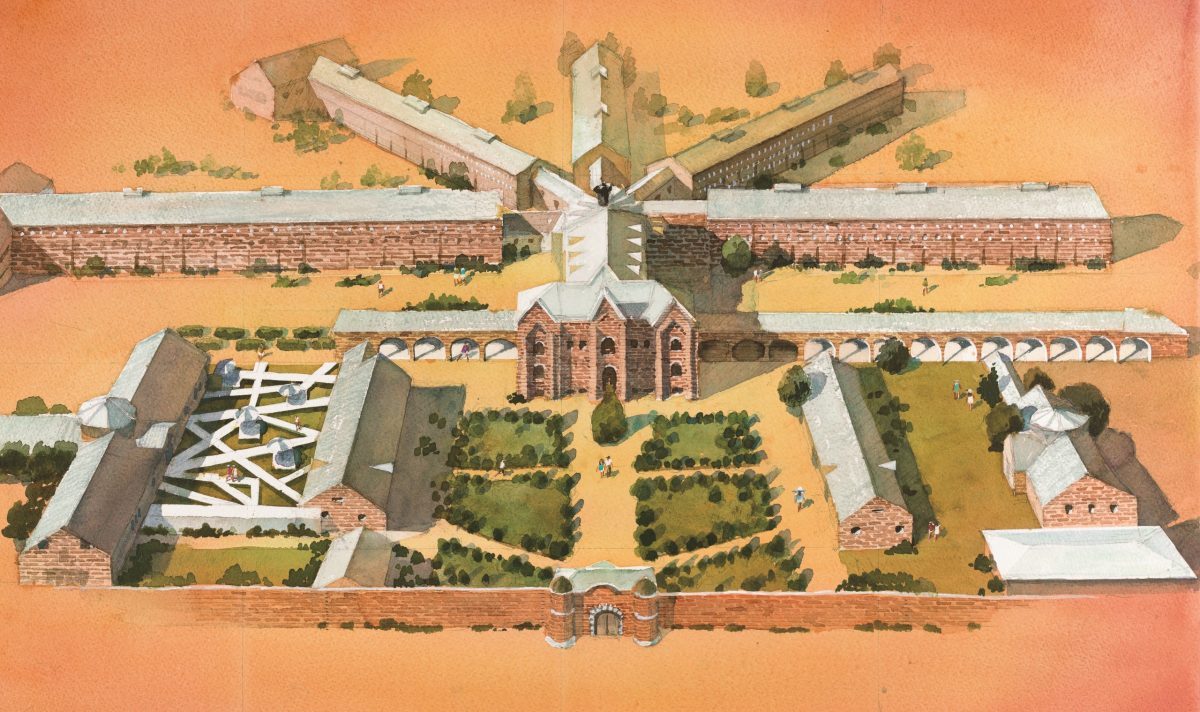
The architectural challenge was real. The original prison had a radial layout inspired by the Pennsylvania System, with a central administrative hub branching outward like a fan. This design allowed guards to surveil the entire facility from one vantage point. Practical for a penitentiary. Less practical for a five-star resort.
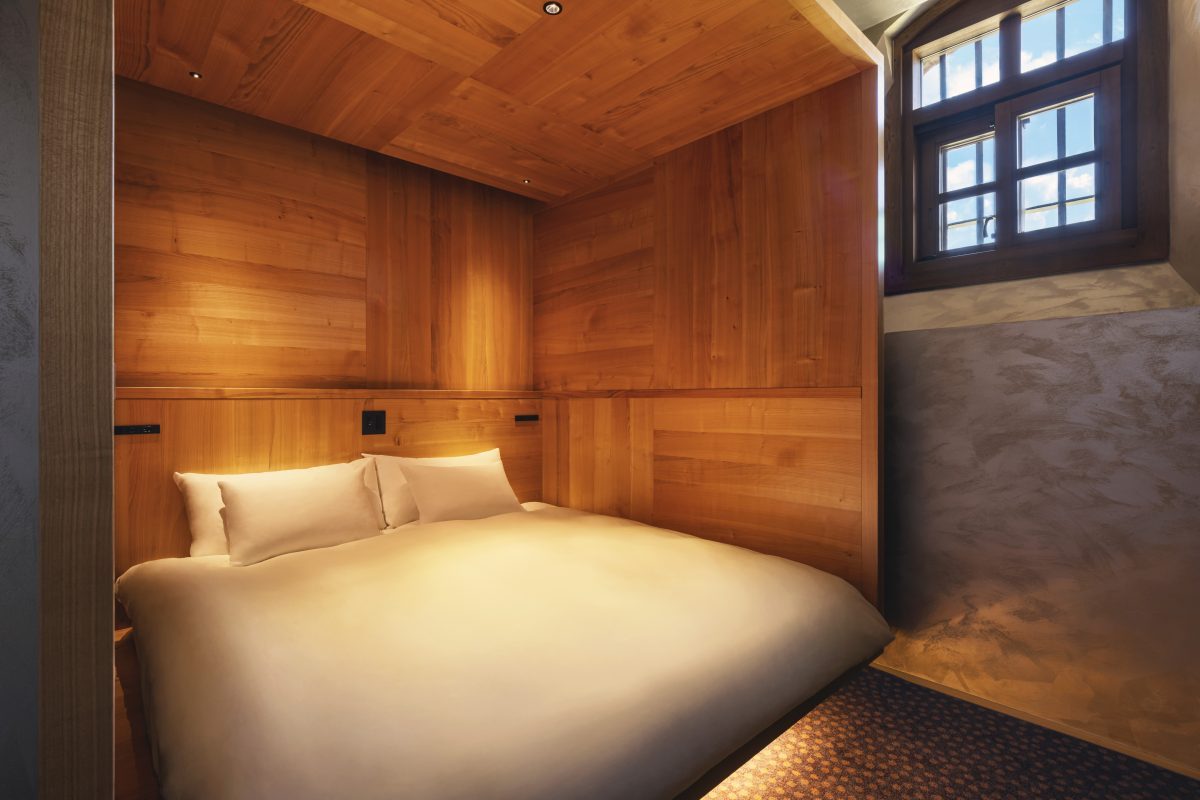
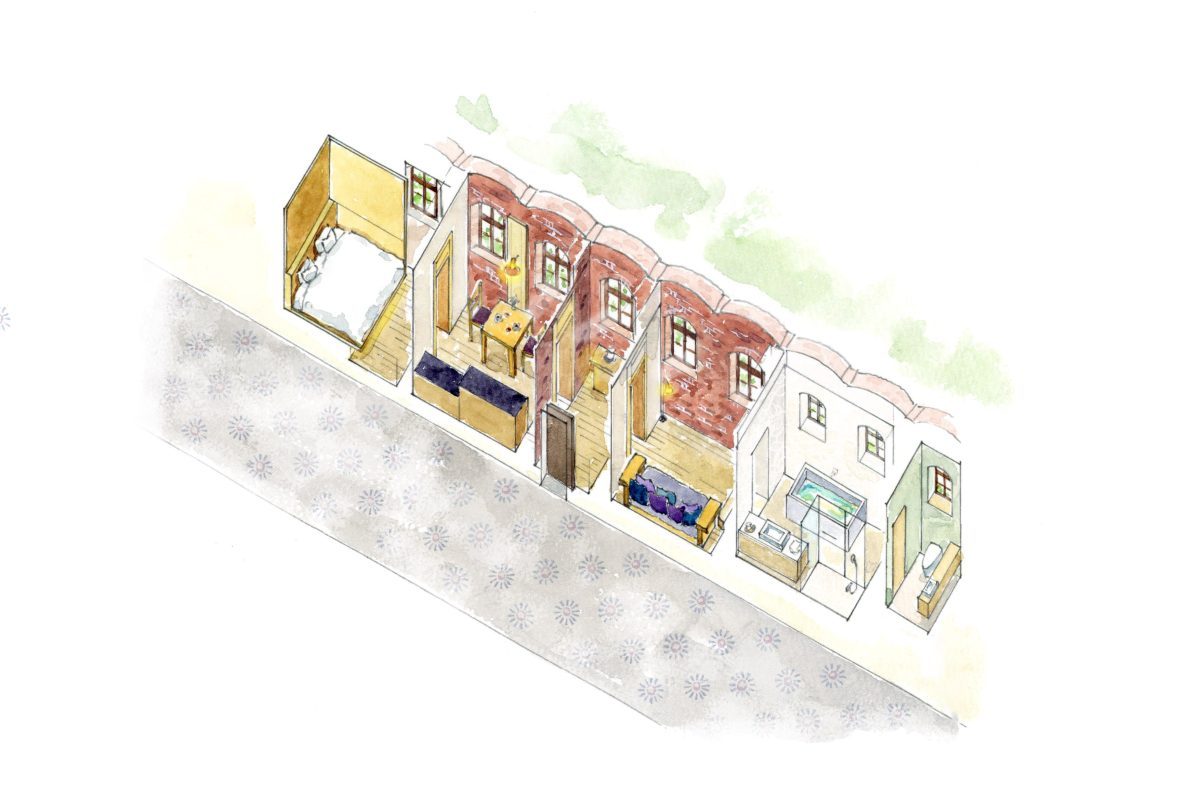
Architects Azusa Sekkei and the Onsite Planning and Design Office tackled the conversion with surgical precision. They preserved the defining features: red-brick facades and exposed steel frameworks. Then they softened everything else. The 48 suites were created by combining nine to eleven former solitary cells, resulting in rooms ranging from 50 to 60 square meters. Original brick walls and steel beams remain visible, but now they're paired with wooden panelling, warm lighting, and textiles that feel more spa than cell block. Each suite has distinct sleeping, dining, and living areas that subtly reference the building's layout without recreating its austerity.
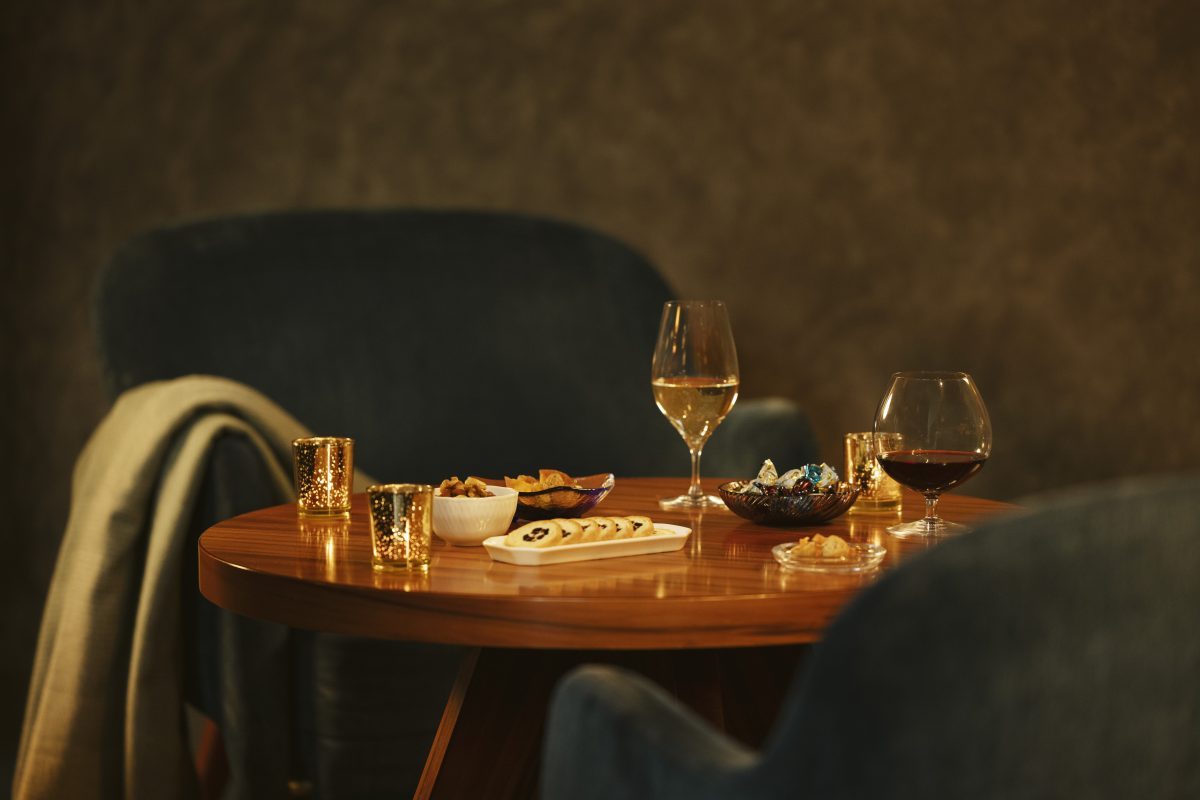
The food experience gets its own reinvention. The former dining hall (where prisoners once ate in silence) has transformed into a restaurant serving Japanese-French fusion cuisine. It's the kind of culinary bridge building you'd expect from a Tokyo fine-dining house, not a former penitentiary.
The Numbers and How to Stay
Room rates start at approximately 147,000 yen (around 800 euros) per night. Reservations opened in January, and availability is already tight for the 2026 opening. The museum and its cafe, which serves Meiji-era dishes with Western influences inspired by early 20th-century culinary exchanges, will welcome visitors starting April 27.
This project matters beyond its novelty factor. Hoshino Resorts, now in its fourth generation of family ownership, has been running ryokans and hotels since 1914. The company operates over 60 properties across six brands globally. HOSHINOYA Nara Prison represents the ninth property in the high-end Hoshinoya line and the first luxury hotel in Japan built inside an actual former prison.
Nara itself is known for roaming deer and UNESCO-listed temples, not its penitentiary past. But that's changing. In June 2026, travelers seeking something genuinely different will find it here: a place where history isn't a museum exhibit but the foundation of the bed you sleep in.