When Hoshino Resorts unveiled plans to transform a decommissioned Meiji-era prison into a luxury hotel, nobody quite knew what to expect. The idea of sleeping behind former cell walls sounded either thrilling or unsettling, depending on your disposition. But walking through the gates of HOSHINOYA Nara when it opens at the end of June 2026 will reveal something far more enchanting than a gimmicky conversion: a genuinely moving exploration of history woven into hospitality.
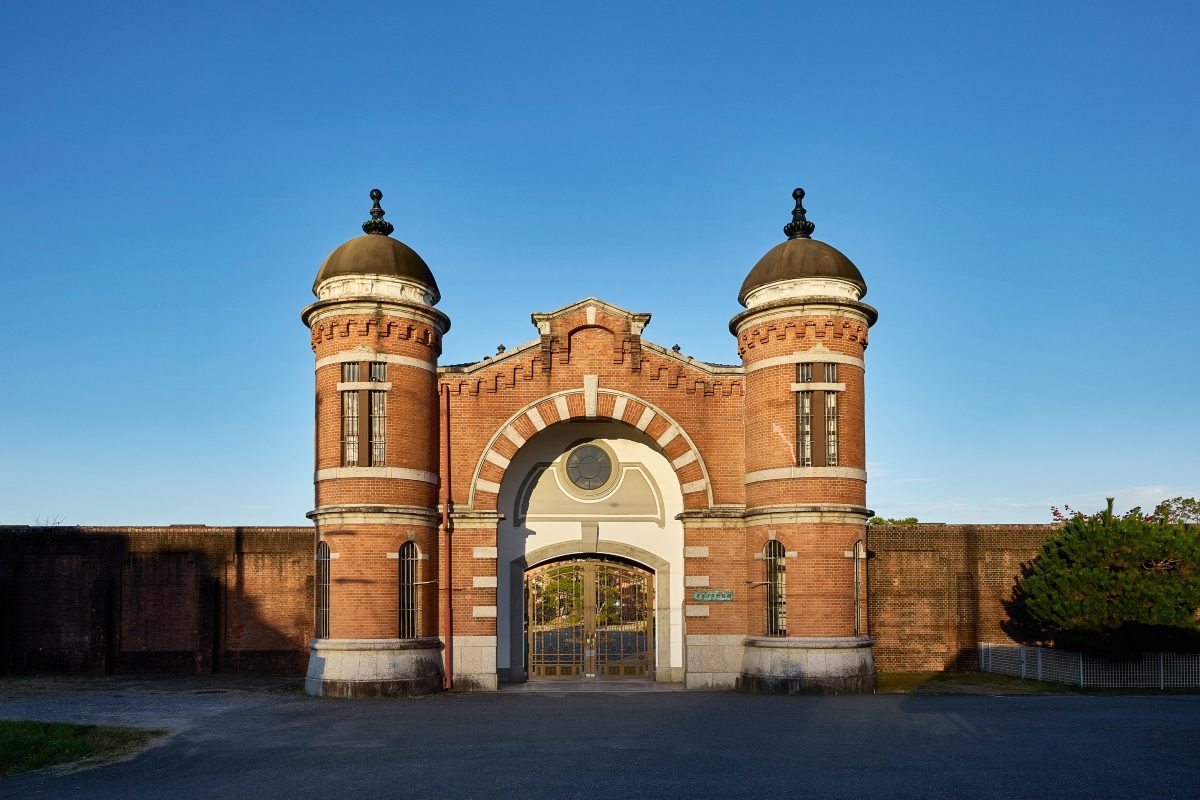
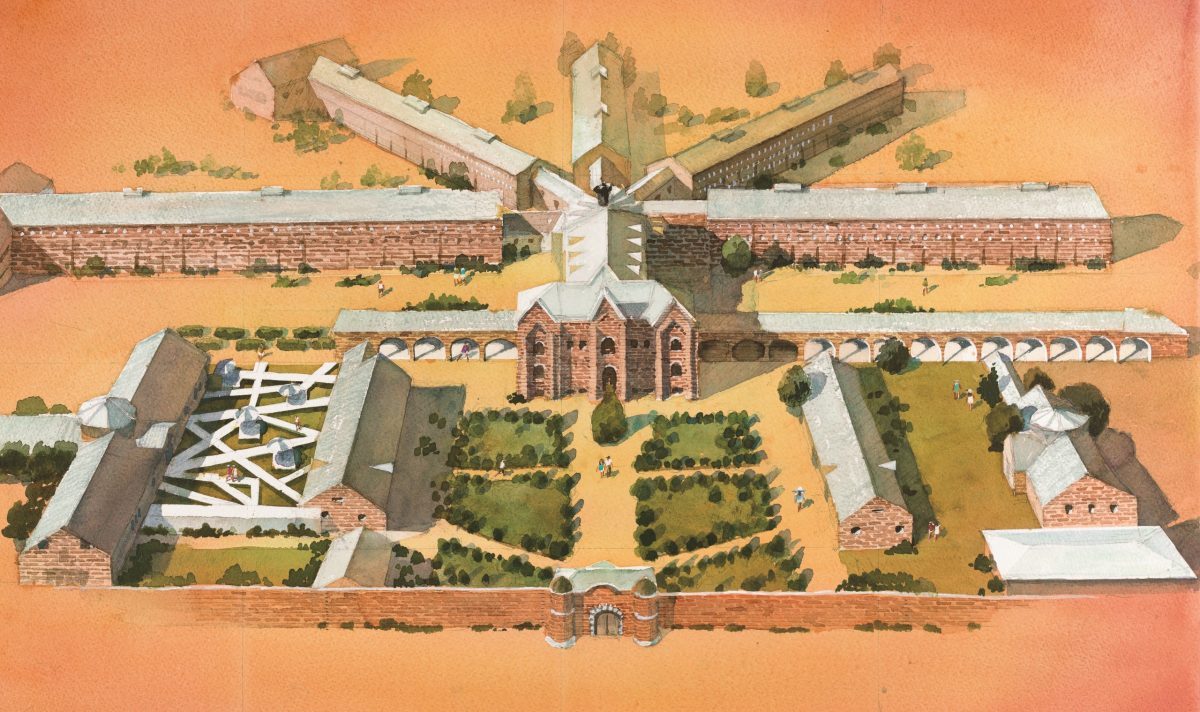
The building in question is no ordinary lockup. Completed in 1908, Nara Prison is one of only five great penitentiaries constructed during Japan's Meiji era when the country overhauled its judicial systems. What makes it special is survival. Of those five facilities, Nara alone remains intact in its original form. The others vanished, demolished or so heavily altered they're barely recognizable. In 2017, the complex received designation as an Important Cultural Property of Japan, cementing its historical significance and setting strict rules for any renovation work.
From Cells to Suites
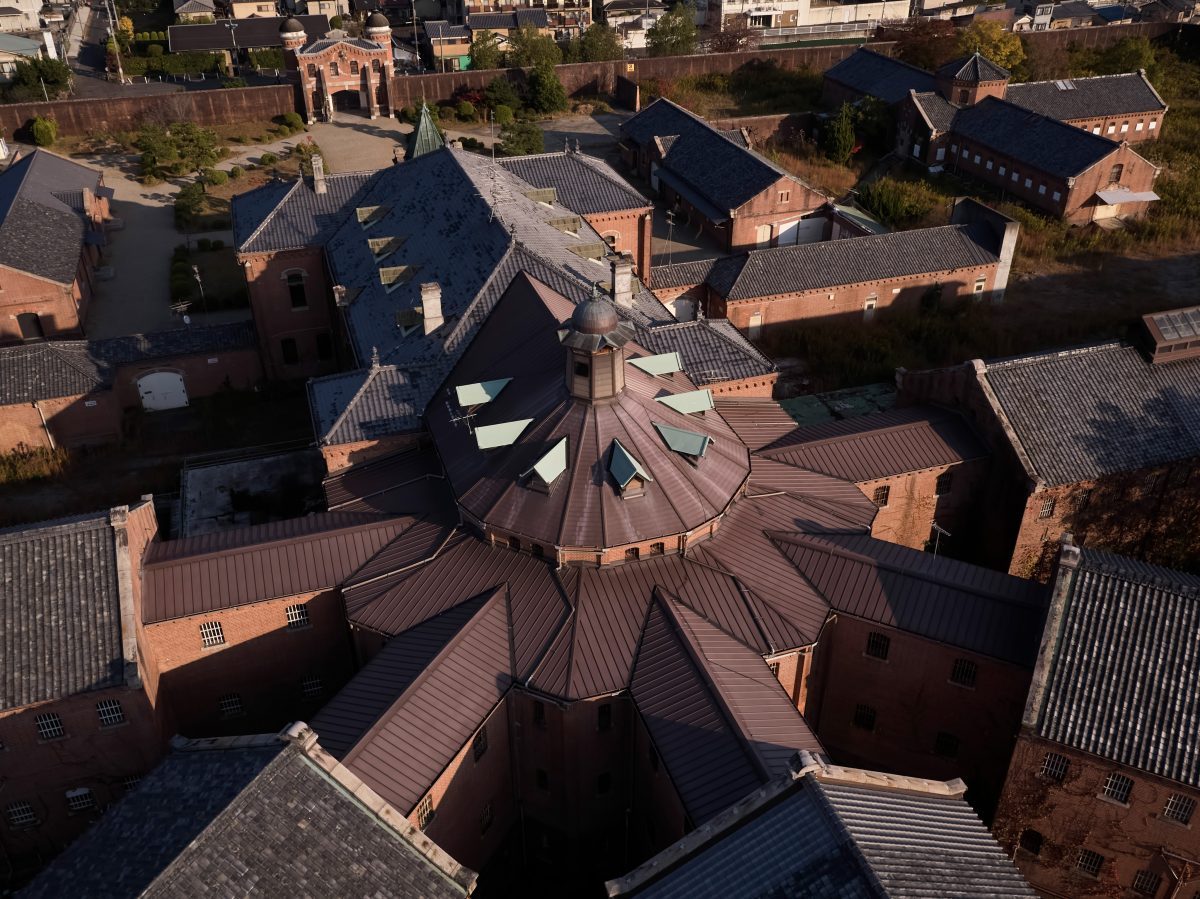
The architectural feat here deserves real attention. The prison's original design followed the Pennsylvania System, a radial layout that allowed guards stationed in a central hub to monitor the entire facility from a single vantage point. That distinctive fan-shaped geometry remains visible in the property's final layout, a reminder of its austere past.
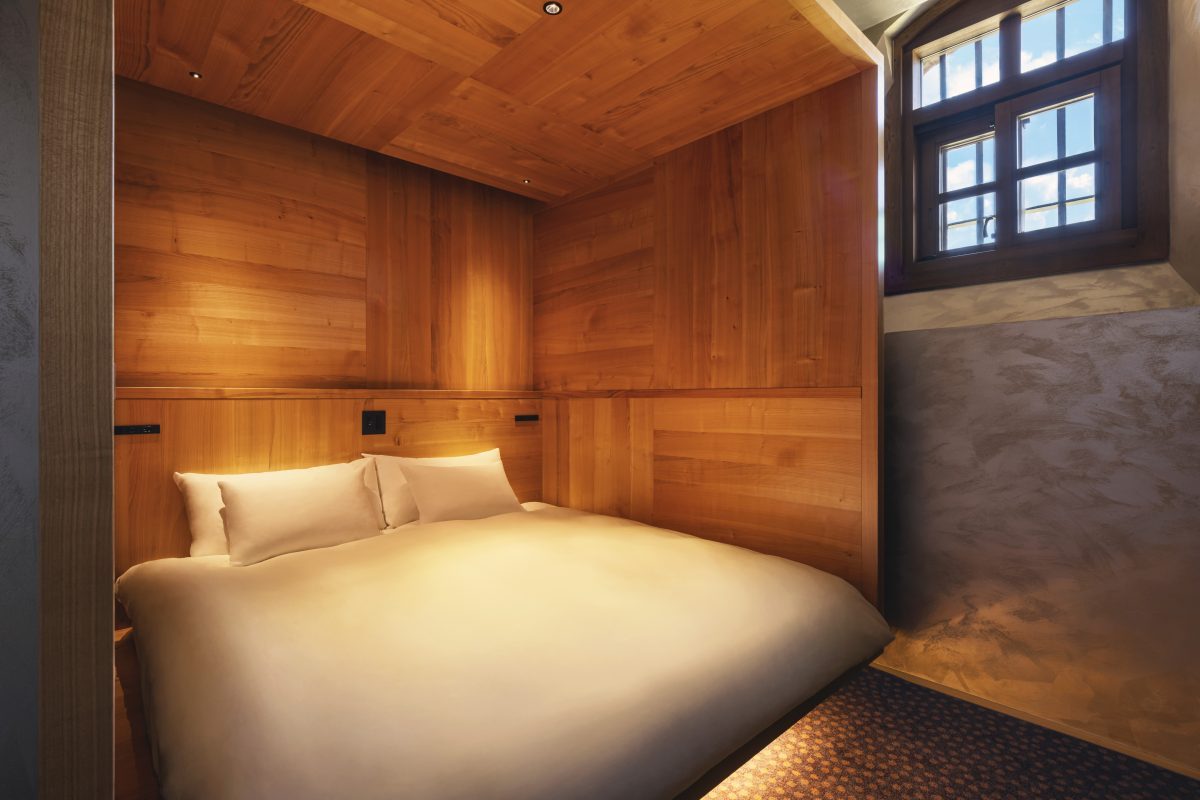
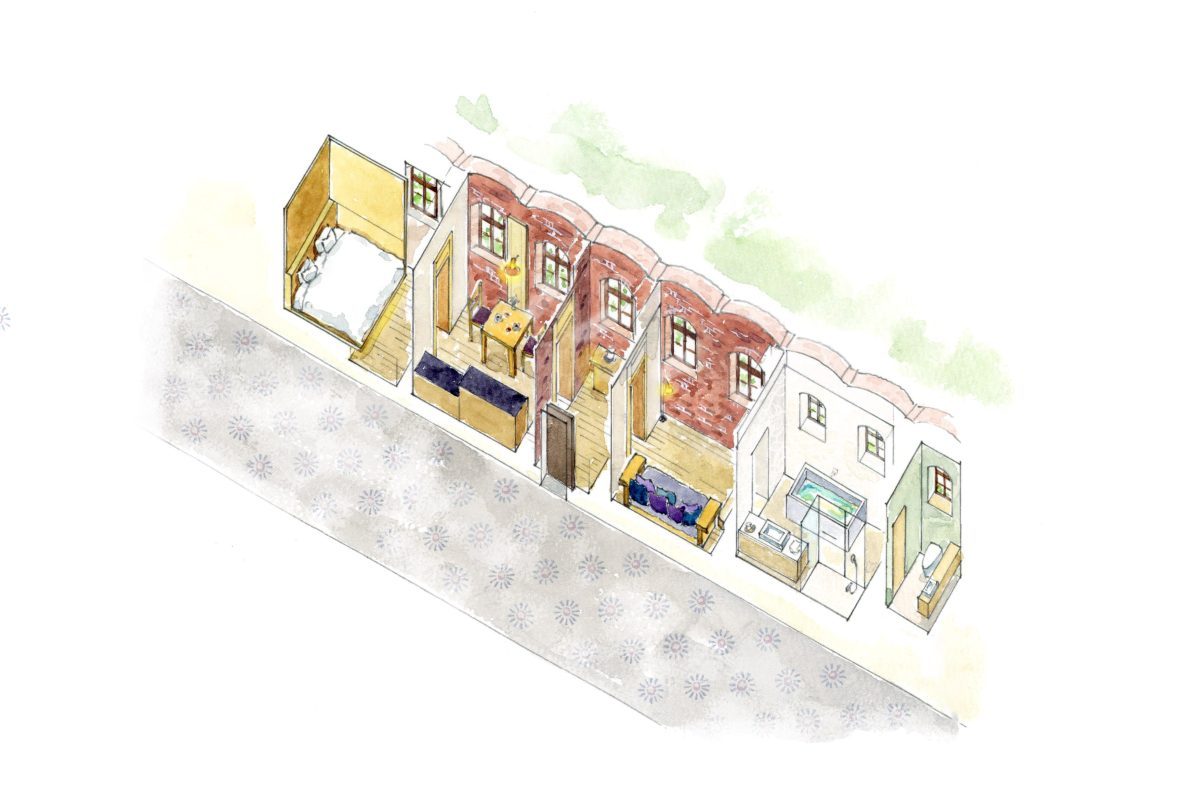
Architects at Azusa Sekkei faced a delicate challenge: respecting the structure's historical identity while creating genuinely luxurious guest spaces. The answer came through thoughtful restraint. The 48 suites were created by combining nine to eleven former solitary cells into rooms spanning 50 to 60 square metres. Original brick walls and steel frameworks stayed visible, but designers wrapped them with warm wooden panelling, layered textiles, and soft lighting. Each suite includes distinct sleeping, dining and living areas that subtly acknowledge the building's former layout without replicating its severity.
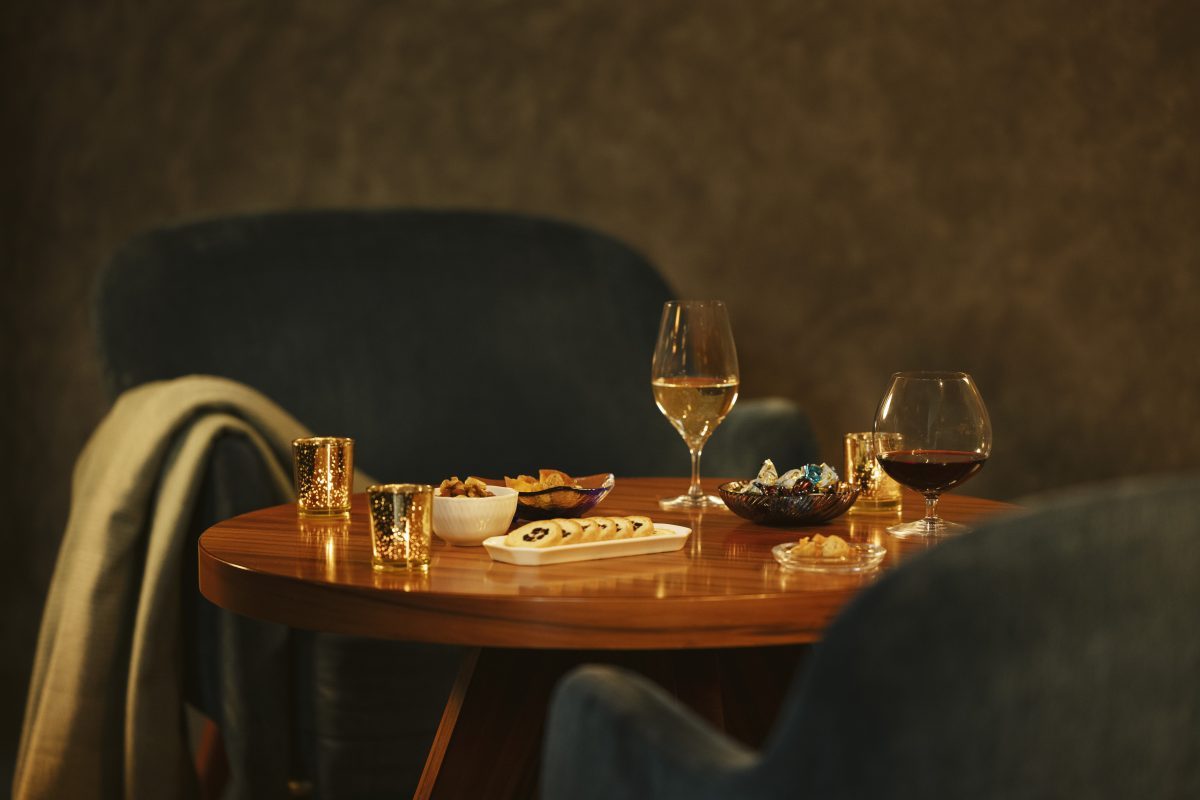
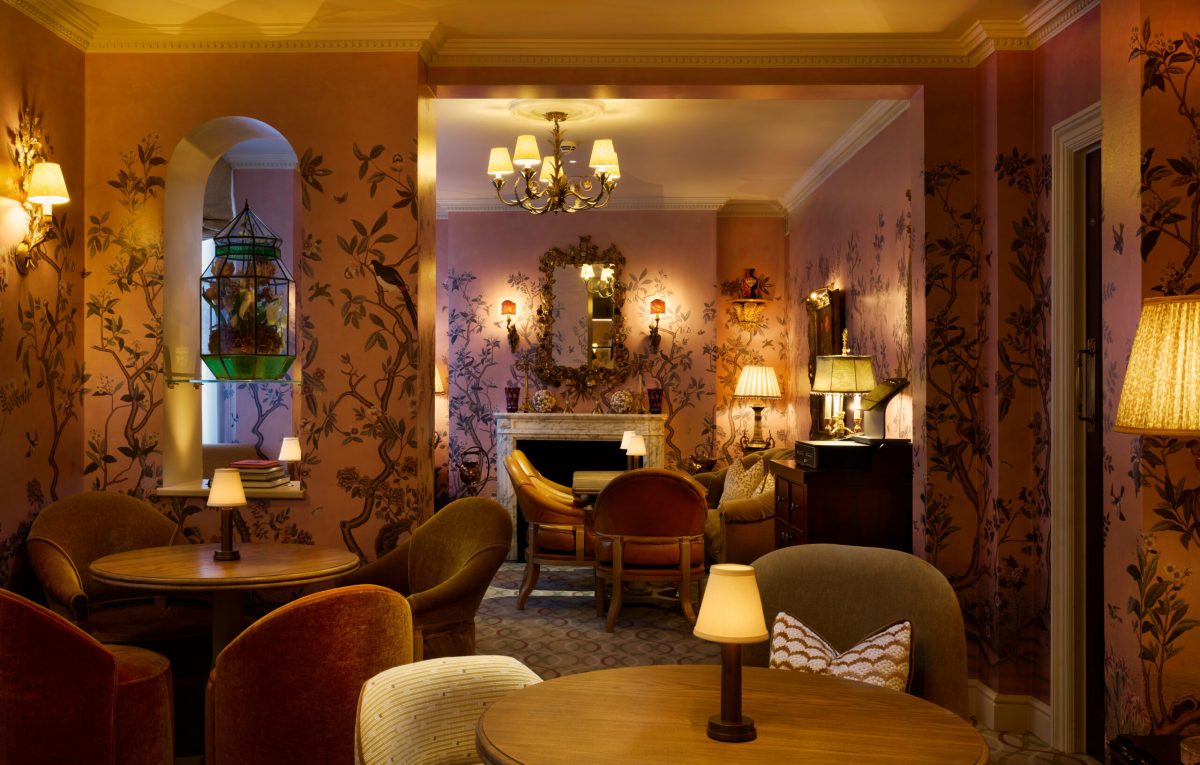
The contrast between industrial past and comfortable present runs throughout. The old dining hall now serves as a Japanese-French fusion restaurant. Common areas function as lounges where guests mingle and unwind. Nothing feels forced or theatrical. Instead, the renovation embraces the kintsugi philosophy, which treats scars and imperfections as integral to beauty rather than flaws to hide away.
Honoring What Came Before
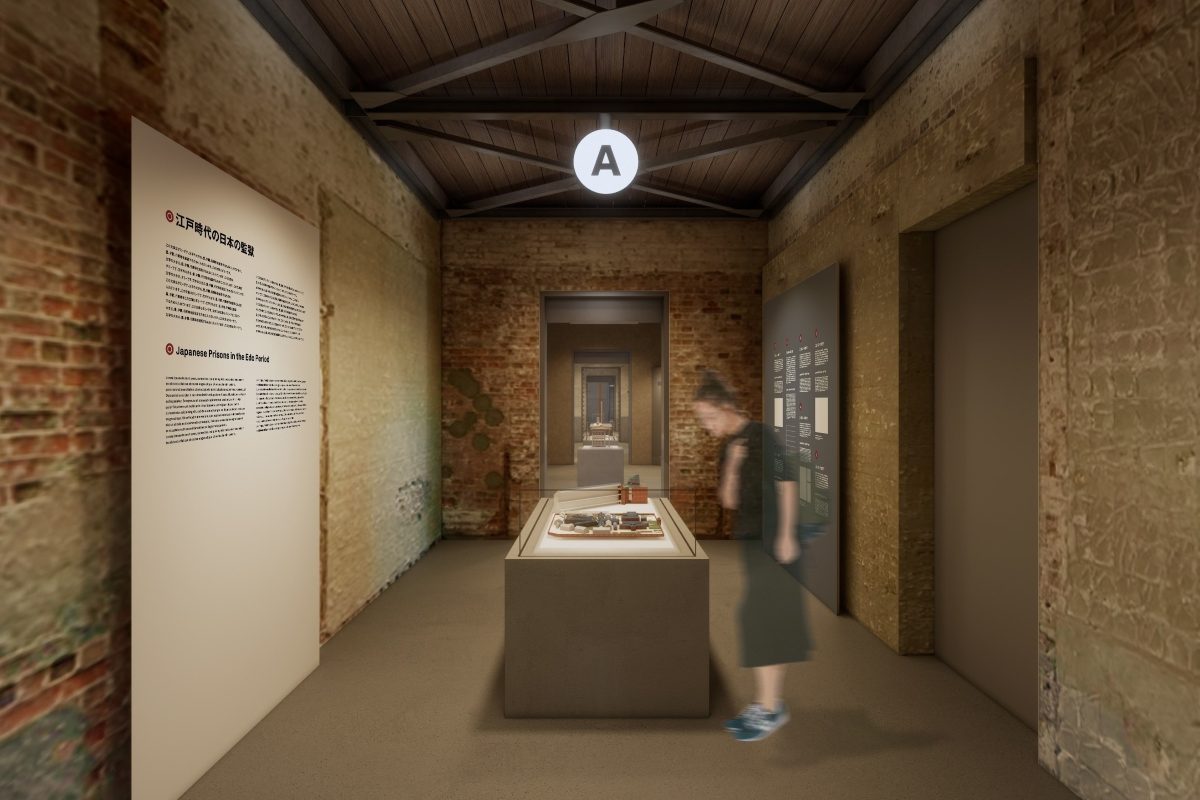
A working prison museum will operate alongside the hotel, allowing visitors to explore the facility's operational history through guided tours and exhibitions. This commitment to transparency feels important. Rather than erasing the building's former purpose, the developers chose to acknowledge it directly. The museum shop will stock historical publications and souvenirs tied to the site's complex past, and a café serves Meiji-era inspired dishes that reflect early 20th-century culinary exchanges between Japan and the West.
The museum opens to the public on April 27, ahead of the hotel's official launch, so curious travelers won't need a room booking to experience the transformation.
Details for Travelers
Room rates begin at ¥147,000 (roughly €800) per night, which positions HOSHINOYA Nara firmly in luxury territory but not outlandishly so for a property of this caliber in Japan. Reservations opened in January and are already taking bookings for the June 2026 opening.
Hoshino Resorts, the company behind this ambitious project, has been family-owned since 1914 when it opened a single ryokan in Nagano Prefecture. Today the group operates over 60 properties across six brands in Japan and internationally. This prison conversion represents the ninth property under the Hoshinoya brand, though it's the first luxury hotel in Japan built from a former penitentiary.
Nara itself offers plenty to explore beyond the hotel. The city is famous for its wandering sika deer and a collection of UNESCO-listed temples including Todai-ji, one of Japan's most important religious sites. Staying at HOSHINOYA gives you a unique base for soaking in that cultural richness while reflecting on how a building designed to confine human movement has been reimagined as a place to slow down and savor time.