Ben-Gurion Airport, Israel's busiest travel hub, has been hit with sweeping restrictions that are reshaping how travelers can reach the country. The Transportation Ministry has ordered a dramatic throttle on outbound traffic: each departing flight is now capped at just 50 passengers, cut in half from the previous limit of 120. Add in limits of one arrival and one departure per hour, and you're looking at roughly 15 outbound flights daily instead of the normal flow.
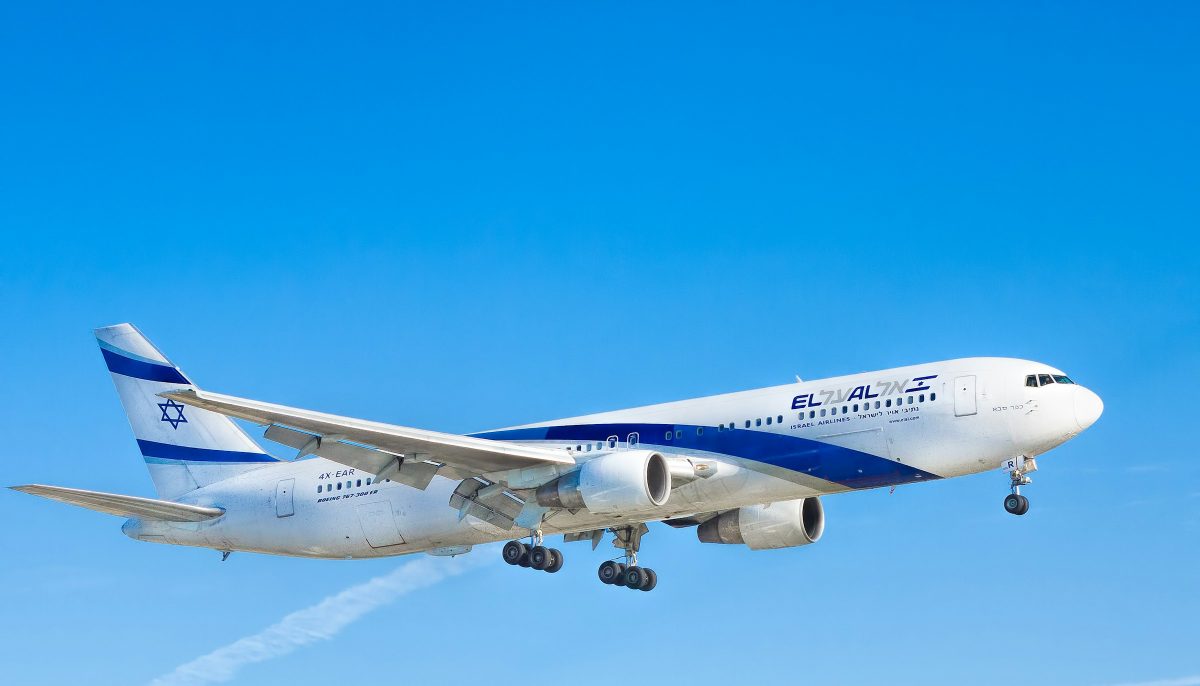
The decision came down from Israel's Transportation Minister Miri Regev on the recommendation of security officials navigating an escalating regional crisis. El Al, the national carrier, responded swiftly on social media, signaling it would evaluate its future here. "Under these conditions, we cannot sustain normal aviation," the airline essentially said. When your flagship carrier starts hinting at pulling back, travelers know things are serious.
Thousands of Canceled Bookings Hit During Peak Season
The timing is brutal. Just before Passover, one of the year's most significant travel periods for Israelis and diaspora Jews visiting home, El Al wiped out 25,000 passenger journeys in a single week. Those travelers got an option: full refund or flight credit. Rebooking? Not happening.
This ripple effect extends across the industry. Arkia, Israel's second-largest carrier, is effectively relocating its operations to Egypt and Jordan. Routes that once departed Tel Aviv now launch from Aqaba and Taba instead. Israir, the third major player, has shuttered its entire booking calendar through the end of April. They're not accepting new reservations, period.
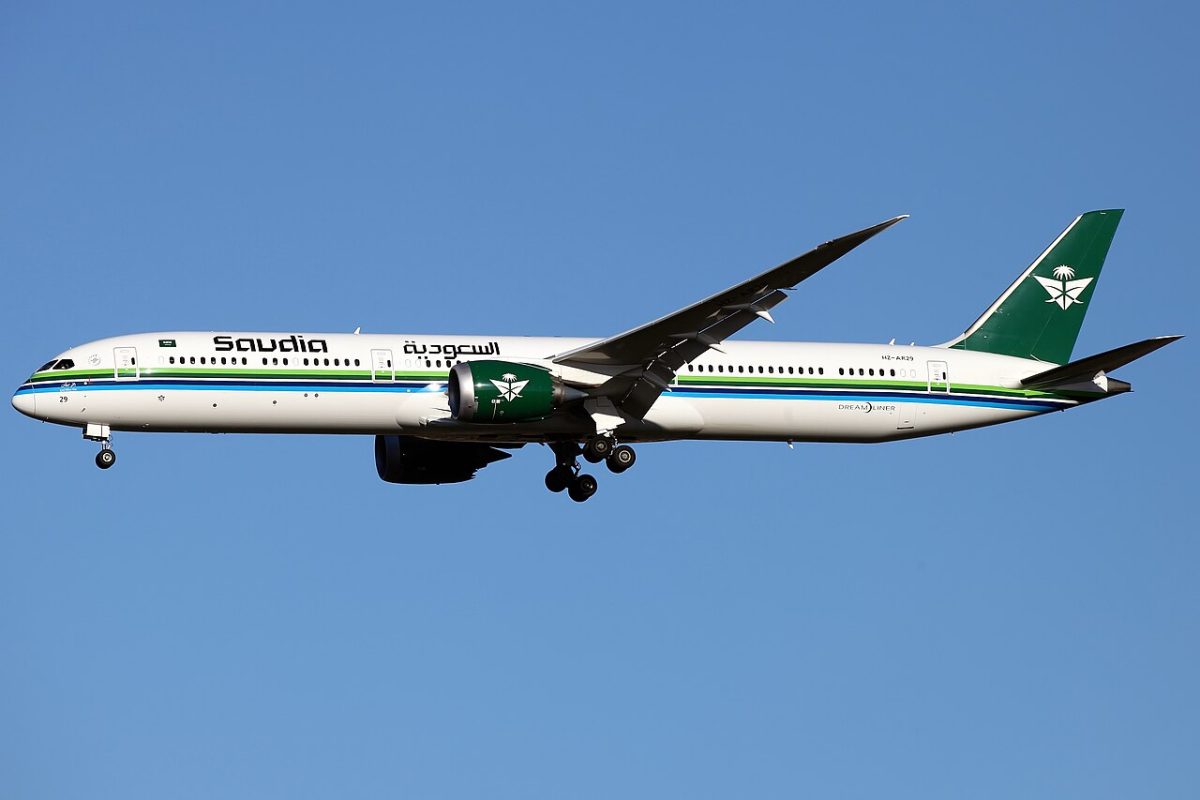
International airlines haven't fared much better. As part of a broader regional flight exodus, carriers like British Airways have suspended service to most Middle Eastern gateways through early June. Only Doha might see service resume by late April, and that hinges on security improving.
The Workaround Plan
Airlines aren't sitting idle. El Al has formally requested that Ramon Airport, a secondary facility, open to passenger traffic as a relief valve. The idea is straightforward: split departures between two airports, restore some semblance of flight activity, and give the public actual travel options. Arkia is already ahead of this curve, shifting significant operations across the border. CEO Oz Berlowitz confirmed that routing major international flights (think Bangkok, Hanoi, New York) through Egyptian and Jordanian hubs is the new survival strategy.
For travelers planning trips, the math is simple and unfavorable right now. If you need to get in or out of Israel, booking early isn't just smart. It's mandatory. With 15 daily flights instead of the normal schedule and a 50-person ceiling on each, availability has evaporated. Prices are climbing accordingly.
What This Means for Your Trip
If you're considering a visit to Israel in the coming weeks, be prepared for a different travel experience. The airport restrictions are creating cascading delays throughout the entire system. Expect longer airport procedures, tighter security, and extremely limited flight windows. Some dates may simply have no available seats.
The silver lining, if you can call it that, is that other Middle Eastern destinations remain accessible. Doha and other Gulf hubs are still operating with more flexibility. But if Israel is your specific goal, patience and flexibility become your best travel companions right now. Check directly with airlines before booking anywhere, and read the fine print on refund policies. In times like these, that protection matters more than the ticket price.