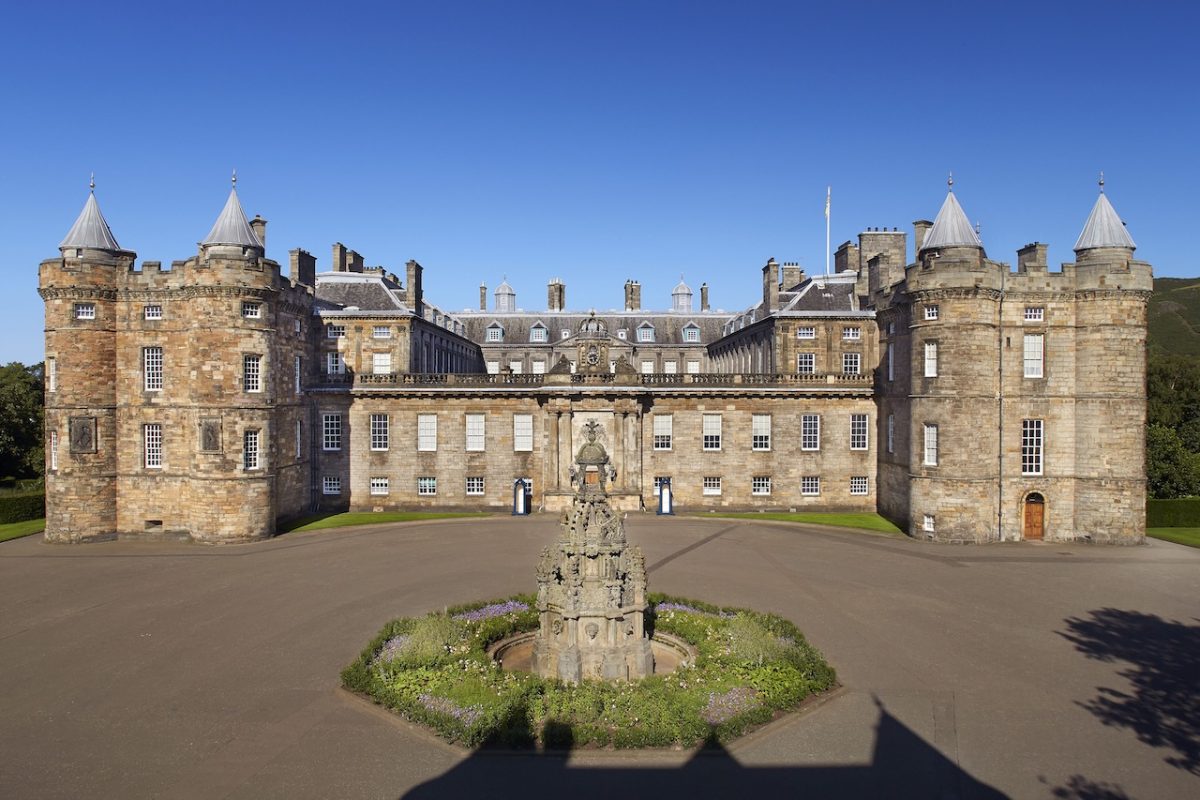
Royal residences usually feel grand and distant, all formal state apartments and velvet ropes. But this summer, the Palace of Holyroodhouse in Edinburgh is throwing open the doors to something different: the actual rooms where Queen Elizabeth II lived, relaxed, and dressed for duty. From May through September 2026, small guided groups will get to wander through spaces that remained largely off-limits during her 70-year reign.
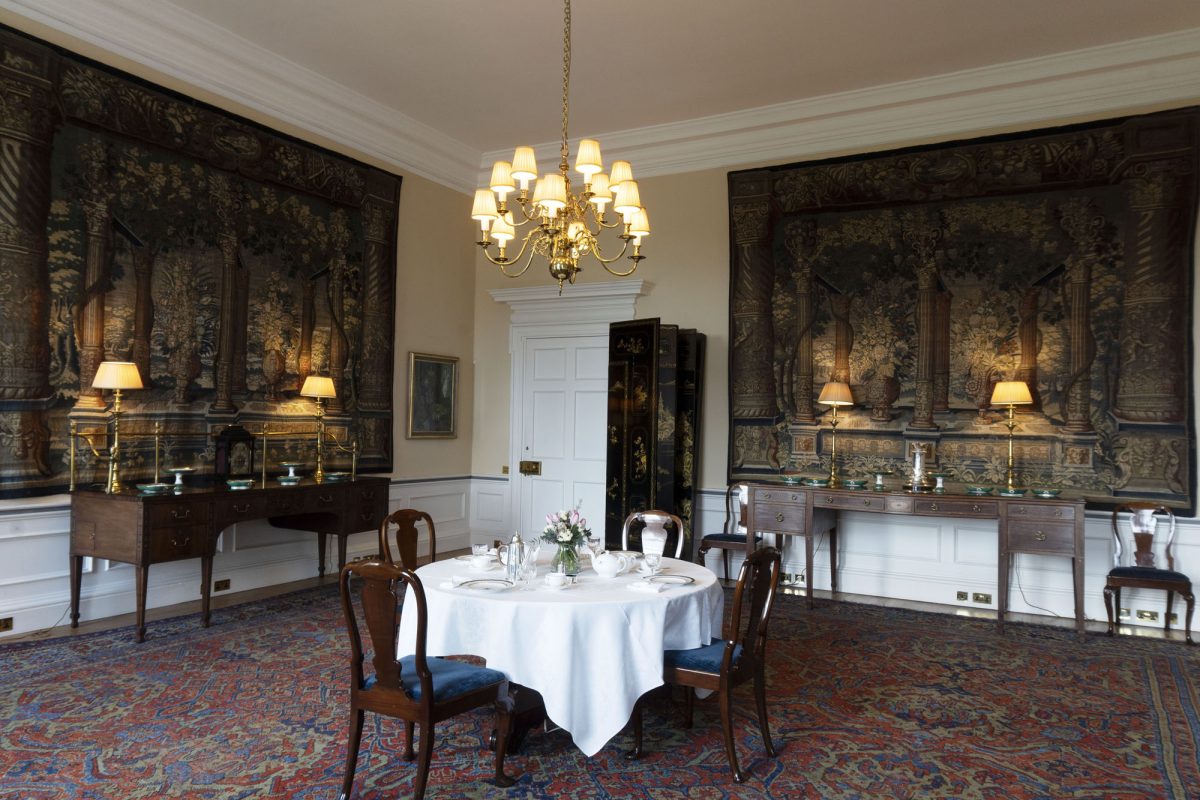
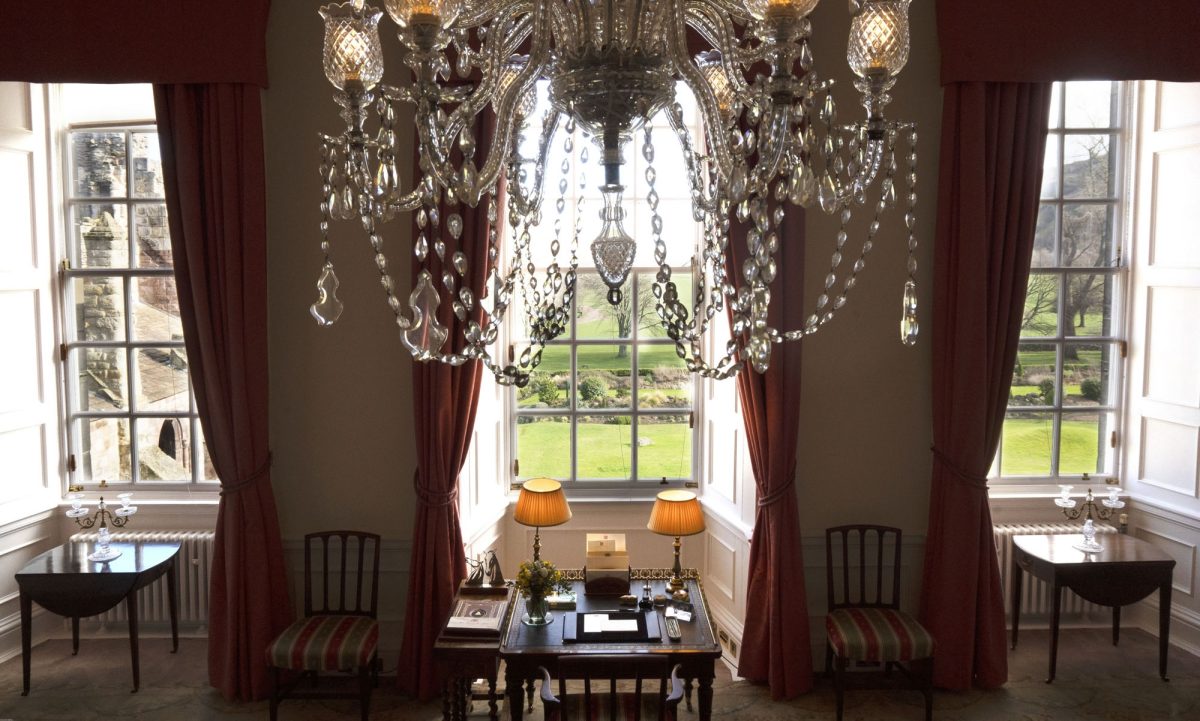
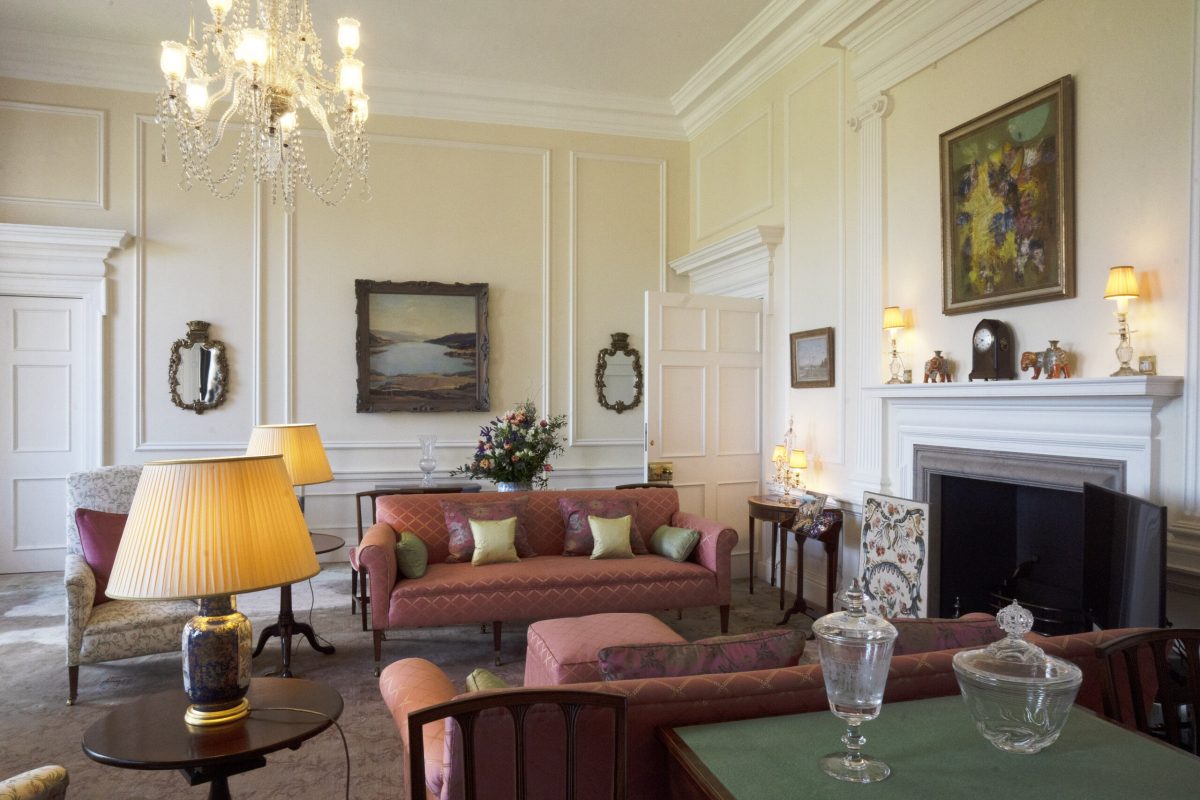
This is not a routine palace tour. The Royal Collection Trust has created a 100-day exhibition centered on the late Queen's personal apartments, a deliberate choice to mark what would have been her centenary. The rooms include her private Dressing Room, Sitting Room where she handled official business, and a Royal Breakfast Room where she and Prince Philip dined together, away from the formality of state banquets. Emma Stead, the palace's curator, notes that these spaces reveal "a rare glimpse into the personal 'lived-in' spaces used during private moments," offering visitors a new perspective on how Edinburgh's royal palace actually functioned when cameras weren't watching.
What You'll Actually See Inside
The apartments themselves are 17th-century structures overlooking the palace gardens and Holyrood Park, furnished with pieces from the Royal Collection alongside the Queen's personal belongings. But it's the details that make this exhibition feel intimate rather than stuffy. In the Royal Breakfast Room, visitors will encounter Flemish tapestries woven around 1650, hung at the request of King George V and Queen Mary back in the 1920s. The walls tell a story of devotion to Scotland, with works from Prince Philip's private art collection on display including 20th-century pieces by Scottish artists he gathered over four decades.
The Dressing Room features one of the most tangible connections to the Queen's daily life: the actual outfit she wore to the opening of the Scottish Parliament on July 1, 1999. Designed by Sandra Murray, the ensemble combines a purple silk-wool coat over a green silk-crepe and lace dress, paired with a tartan shawl in purple and green from the Isle of Skye and a matching hat by milliner Philip Somerville. Seeing what a monarch actually chooses to wear for significant moments feels surprisingly revealing.
How to Book and What It Costs
Tickets are now available through the Royal Collection Trust website, with guided tours running from May 21 through September 10. Pricing varies depending on when you book. Adults pay £71 in advance or £75 on the day, while visitors aged 18 to 24 get a discount at £63 advance or £66 same-day. Children aged 5 to 17 and disabled visitors are charged £60 in advance or £62 on the day. The limited window means booking ahead is advisable, especially for summer months.
This opening reflects a broader shift in how royal properties approach public access. Britain's royal and private estates have increasingly opened their doors in recent years, with Balmoral Castle also running limited tours, suggesting the monarchy recognizes public curiosity about the personal lives behind the crown.
Why This Matters for Travel
For travelers planning a Scotland trip in 2026, this is a genuinely one-of-a-kind experience. You won't find these spaces open any other year, and you won't find this level of access to a reigning or recently deceased monarch's personal quarters anywhere else. Edinburgh already attracts millions annually for the castle, the Royal Mile, and the festival scene. Adding this exhibition to a visit transforms a standard palace tour into something that connects you to actual history and actual lives lived within these walls.
The Queen's deep love for Scotland is well documented, and these rooms prove it wasn't just sentiment. The choice of art, the personal items on display, the casual breakfast room shared with Philip, all suggest a genuine attachment to this corner of the realm. For a traveler, stepping into those spaces offers something rare: a moment where the monarchy feels human rather than ceremonial.