The Arctic moves fast these days, and not in ways anyone wants. Sea ice that should be solid is breaking up early. Wildlife patterns that scientists spent decades mapping are suddenly wrong. Polar bears that should be thriving are struggling. And somewhere in all this turbulence, Svalbard has become the place where researchers and explorers are asking a question that feels almost heretical: can tourism actually help?
Not tourism as we usually know it, with cruise ships and buffets and Instagram selfies. But a different model entirely, where visitors come to learn, where every expedition feeds data back to scientists, where the lodge itself becomes a research station. Basecamp Explorer operates three small properties at 78 degrees North, and they've built something genuinely different.
Three Lodges at the Edge of the Possible
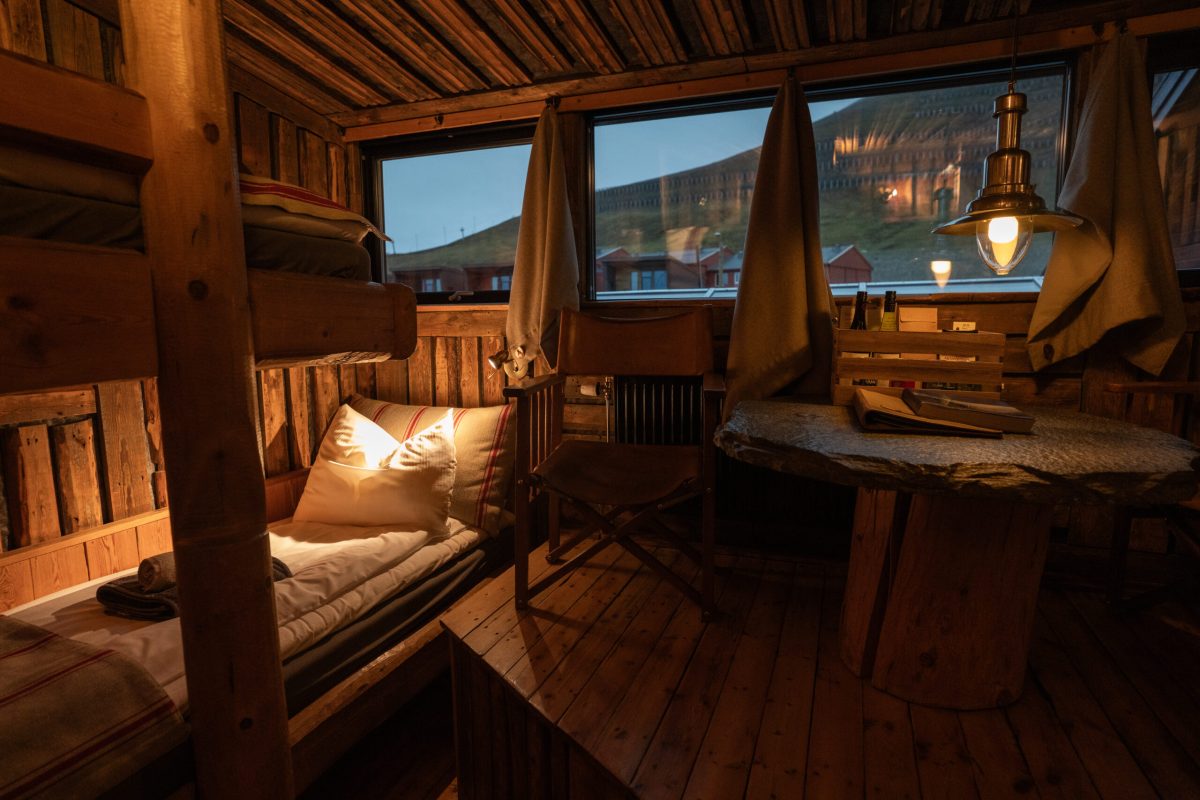
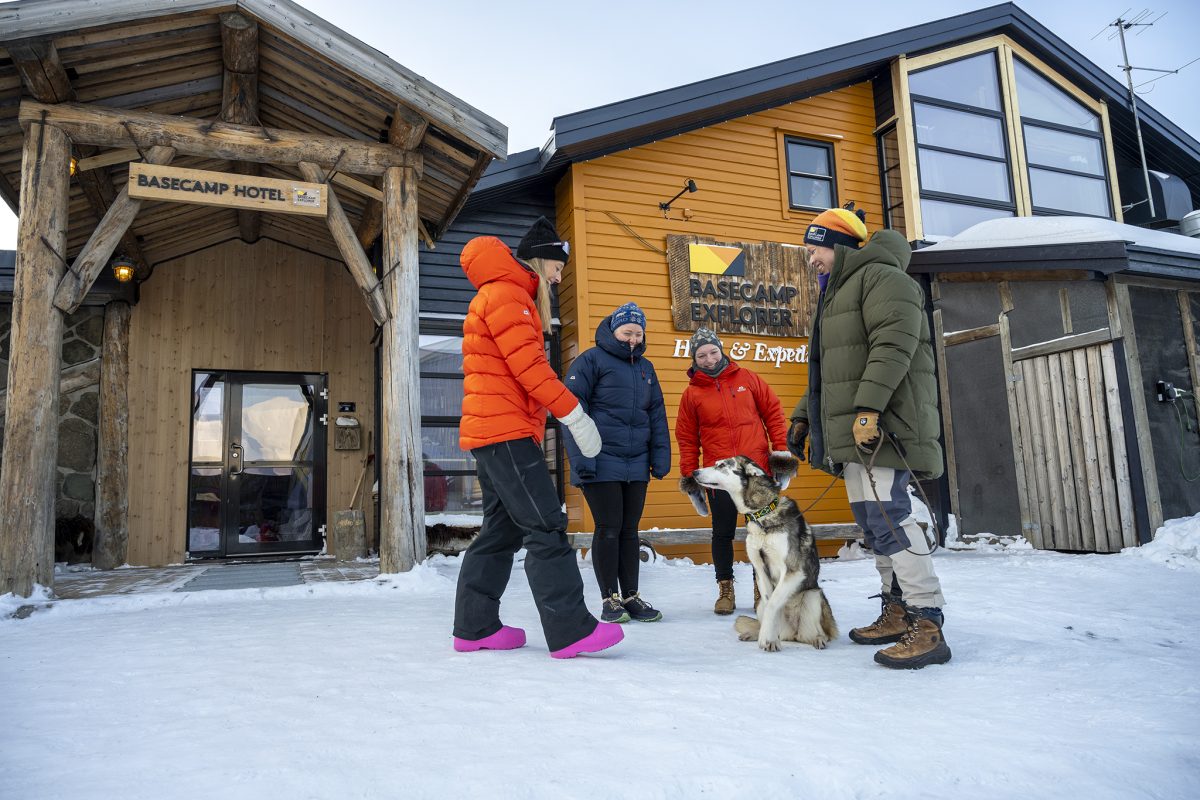
Start in Longyearbyen with Basecamp Hotel, a 16-room boutique property that acts as home base before the real adventure starts. Then head north to Nordenskiöld, open only March-April and July-September, sitting at the edge of what most people would call civilization. The lodge has 16 rooms and almost no neighbors besides seals, ptarmigan, and the occasional polar bear. You get there by boat or snowmobile. It's one of the most isolated places on Earth where you can actually sleep in a bed.
Then there's Isfjord Radio, a converted radio station now operating as a 22-room hotel from February through September, sitting on the edge of the Arctic Ocean itself. Each property pulls double duty: they're tourist accommodations and active participants in environmental research.
When Hotels Become Research Partners
Here's where it gets interesting. Basecamp doesn't just talk about conservation. They've embedded it into how they operate. The organization partners directly with Polar Bears International, the conservation nonprofit, and the partnership isn't ceremonial. Guides get briefed by actual researchers before taking guests out. The latest findings shape what visitors learn and what the lodge itself does operationally.
Birgitte Vegsund, who manages destinations for Basecamp, explained it simply: "From the very beginning, we have sought partnerships with organisations that actively contribute to reducing environmental impact and deepening our understanding of the fragile ecosystems in which we operate." Polar bears aren't just the draw here. They're an indicator species, a living barometer of Arctic health. Supporting research on bears means understanding the whole ecosystem.
The Bear Data Everyone Gets Wrong
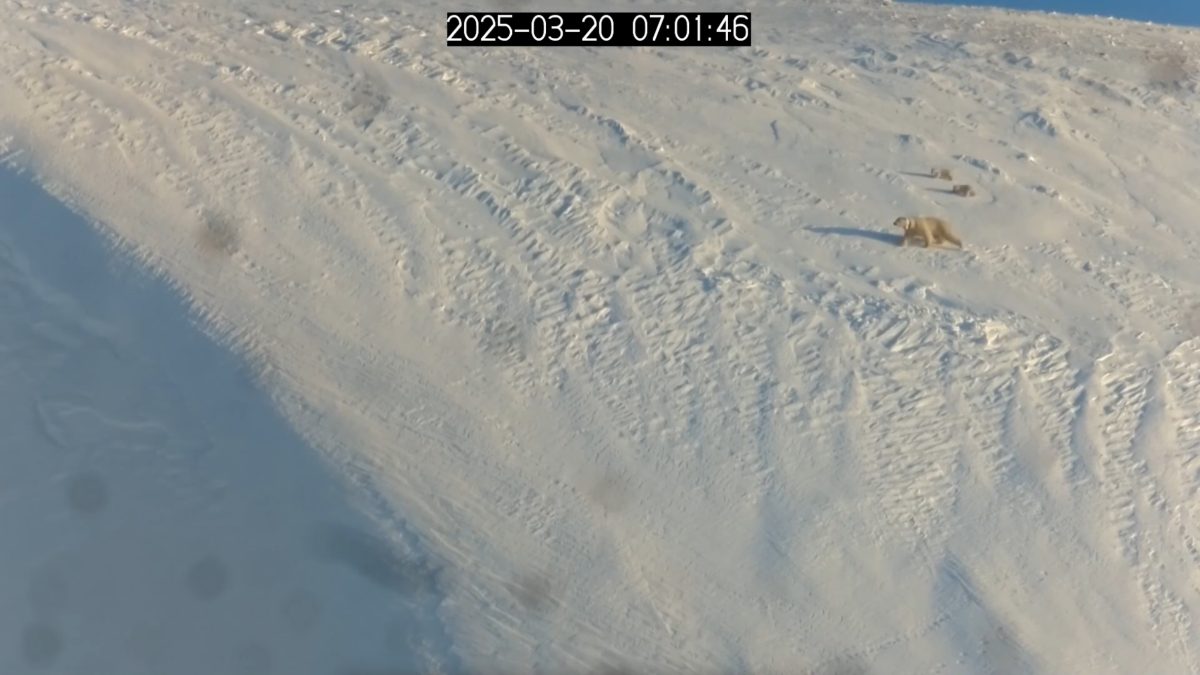
This gets tricky fast. In recent years, some polar bears in Svalbard have been spotted in surprisingly good condition, maintaining their weight despite habitat loss. That sounds like good news. It absolutely isn't, according to Geoff York, Vice President of Science and Policy at Polar Bears International.
"That data comes from a very rich, productive part of the Arctic," York explained in an interview, "but it does not mean polar bears are safe from climate change." The real story is more complicated. There are 20 distinct polar bear populations scattered across the Arctic, each shaped by local conditions. Svalbard's bears are currently buffered by abundant prey and a wide continental shelf, but that's temporary insulation, not salvation. The broader trends are genuinely alarming: denning areas shrinking, genetic diversity declining, reproduction rates dropping in years with less ice, cub survival plummeting.
The bears in front of tourists' eyes might look healthy today. But they're living on borrowed time.
How Witnessing Becomes Advocacy
This is where science-led tourism actually matters. Bringing people face-to-face with Arctic wildlife and landscape, under strict environmental protocols, does something no documentary can match. You see the ice. You feel the cold. You watch a polar bear move across the landscape. Then a guide explains what you're actually looking at, backed by real data, real urgency. That combination transforms abstract science into lived experience.
York sees it this way: "Visitors have the rare chance to witness Arctic wildlife firsthand, whilst also learning about the challenges of a rapidly warming region. That helps travellers become informed Arctic ambassadors." They go home changed. They understand what climate change actually means because they've stood in it.
For Vegsund and the team, this educational piece is as essential as the adventure. "Educating travellers on polar bears and witnessing their natural habitats is a powerful experience," she noted, emphasizing that guests leave with both scientific knowledge and a sense of responsibility to the places they've seen.
What a Svalbard Expedition Actually Looks Like
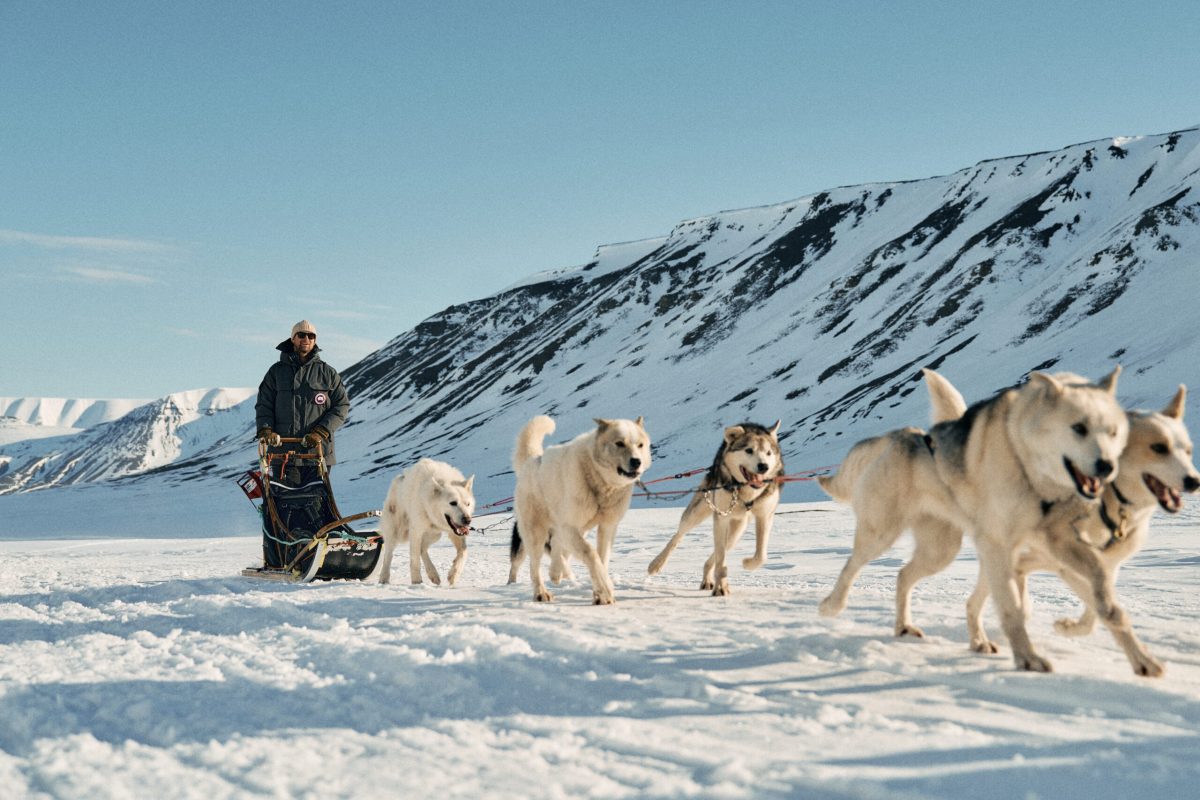
Basecamp runs expeditions year-round that blend activities with environmental education. Four to eight days typically include dog sledging, glacier hiking, kayaking, and wildlife watching, woven together with expert lectures on polar bear ecology, sea-ice loss, and climate impacts. A special joint expedition runs July 16-26, 2026, combining four days at Isfjord Radio with a voyage aboard Northern Expeditions' Kinfish vessel, departing just after Arctic Sea Ice Day on July 15.
Prices start at NOK 191,753 (around 17,000 euros) per person on a full-board basis, covering Zodiac excursions, guided tours, all activities in Longyearbyen, luggage transportation, and transfers between the airport, hotel, and port.
The Bigger Picture
As Arctic pressures mount, Svalbard is becoming something more than a tourism destination. It's a hub for research, monitoring, and evidence-based travel that actually supports conservation. The model works because it's honest: the region doesn't pretend climate change isn't happening, doesn't hide the stakes, and doesn't separate tourism from the science. Visitors don't just see polar bears. They help support the people trying to understand and protect them. That's tourism with a point.