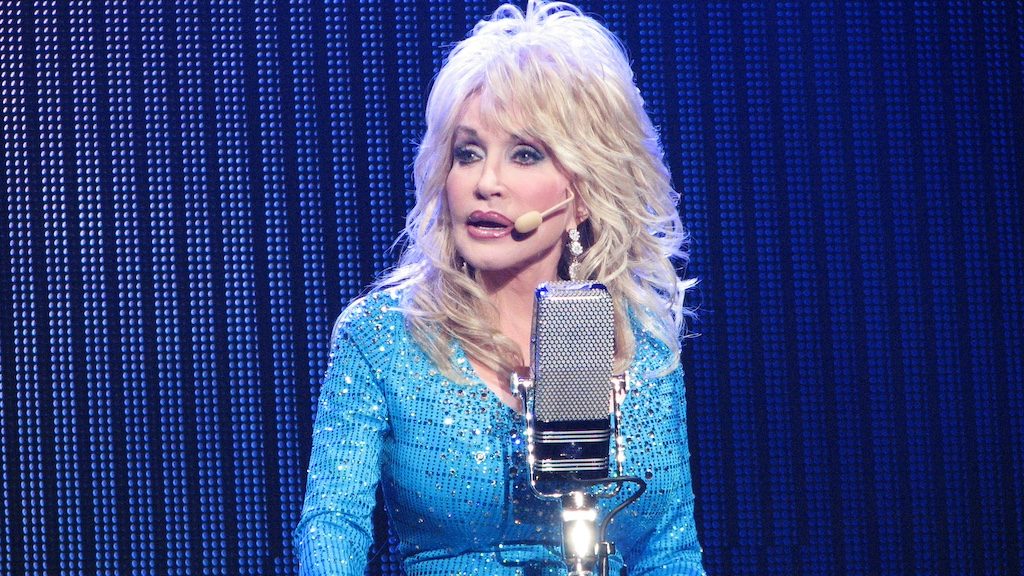
Dolly Parton never left Tennessee in her heart, even when the rest of the world came calling. That devotion became the blueprint for one of America's most successful regional tourism stories. What started as a love letter to her Appalachian roots transformed into an economic engine that has reshaped an entire region.
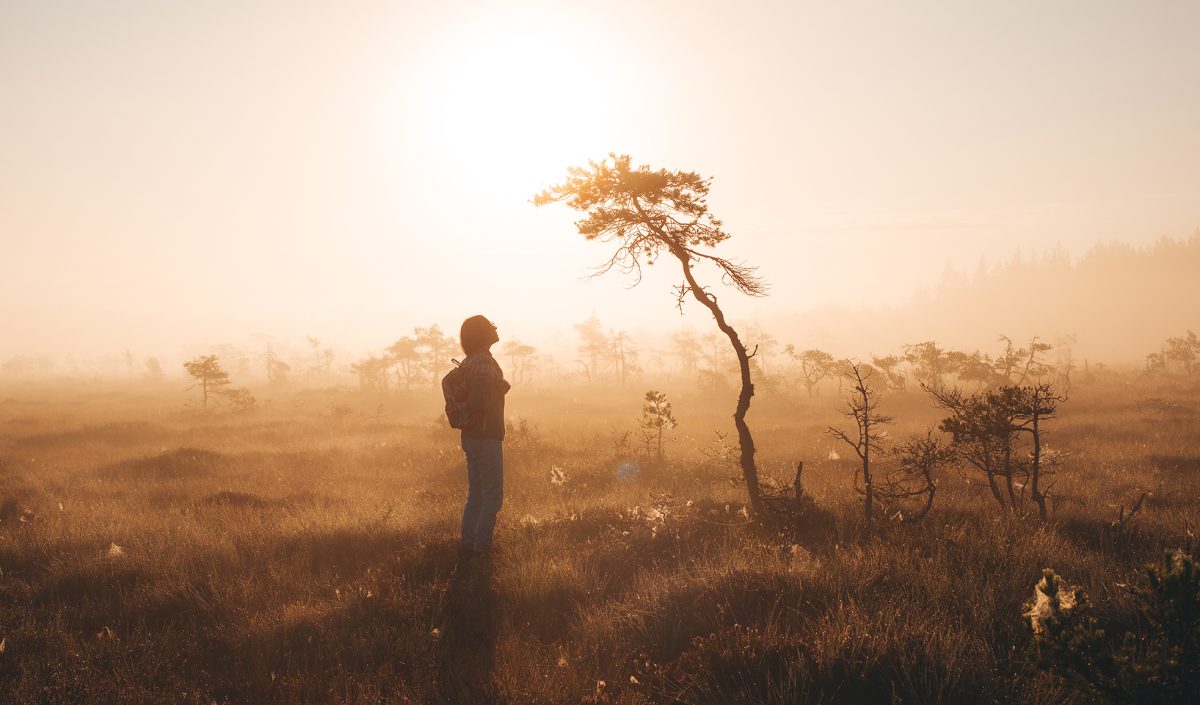
Back in 1972, already sixteen years into a legendary career, Parton released "My Tennessee Mountain Home." The song painted a picture of summer evenings on a front porch, fireflies dancing in the dark, honeysuckle perfuming the air, and the distant call of songbirds. It was idealized, sure, but it was also deeply personal. She wrote about a place where she knew poverty, where she was one of eleven children fighting for space and attention. Yet in her telling, it became something transcendent.
That song would become the soul of something much bigger. In 1986, Parton opened Dollywood in Pigeon Forge, near the Great Smoky Mountains, and planted "My Tennessee Mountain Home" at its heart. The park was never meant to be another cookie-cutter amusement destination. Instead, it wove together genuine Appalachian culture with modern thrills, honoring heritage while delivering entertainment. Over time, it grew to include Splash Country, DreamMore Resort, and The Dolly Parton Experience, which opened in 2024.
Numbers That Tell a Story
The economic impact became staggering. According to the Tennessee Department of Transportation, Dollywood created 23,000 regional jobs and pumps $1.8 billion directly into the state's economy annually. The park voted America's favorite theme park for four consecutive years by the National Amusement Park Historical Association, sits as the largest employer in its county. Tourism revenue in nearby Sevierville jumped 50% in Dollywood's opening season alone.
Parton also opened Dolly Parton's Stampede, a dinner theater experience that seats over 1,000 guests per show at prices reaching $85. It's the kind of venture that only works if you have genuine star power backing the concept. These aren't generic attractions with her name slapped on them. They're extensions of who she was.
The ripple effects reached beyond her branded properties. The Great Smoky Mountains National Park credits Dollywood with helping establish the region as a multi-day destination, which helped the park itself climb to third place in America's national park rankings. What was once a drive-through destination became a reason to stay, explore, hike, and spend real money.
Why the Smokies Matter
The Smokies themselves are worth the trip independent of any theme park. This is the most biodiverse national park in America, home to over 19,000 species. More than 1,300 kilometers of trails wind through the mountains, leading hikers to Newfound Gap, Clingmans Dome, and countless waterfalls. Historic cabins dot the landscape, offering glimpses into how Appalachian families actually lived. It's raw, real, and beautiful in ways that no attraction can manufacture.
Parton spent her life insisting that Tennessee was Earth's best place. She traveled the world, performed for presidents, and built an empire in Nashville, yet she always came home. In doing so, she showed an entire region how to profit from authenticity rather than manufacturing false experiences. Like Malta's approach to sustainable tourism, her strategy respected the place and the people who lived there.
Even as her empire expanded globally, Parton remained rooted. She funded schools in her county, supported local causes, and ensured that tourism revenue flowed back into communities that needed it. That combination of global fame and local commitment is rare. Most celebrity business ventures extract wealth. Dollywood returned it.
The park continues operating as Parton would have wanted, a living monument to her belief that Tennessee had everything the world was searching for. You'll find porch swings, fireflies at dusk, honeysuckle if you visit in summer, and the echo of a woman who refused to forget where she came from. That's what built a $1.8 billion tourism machine.