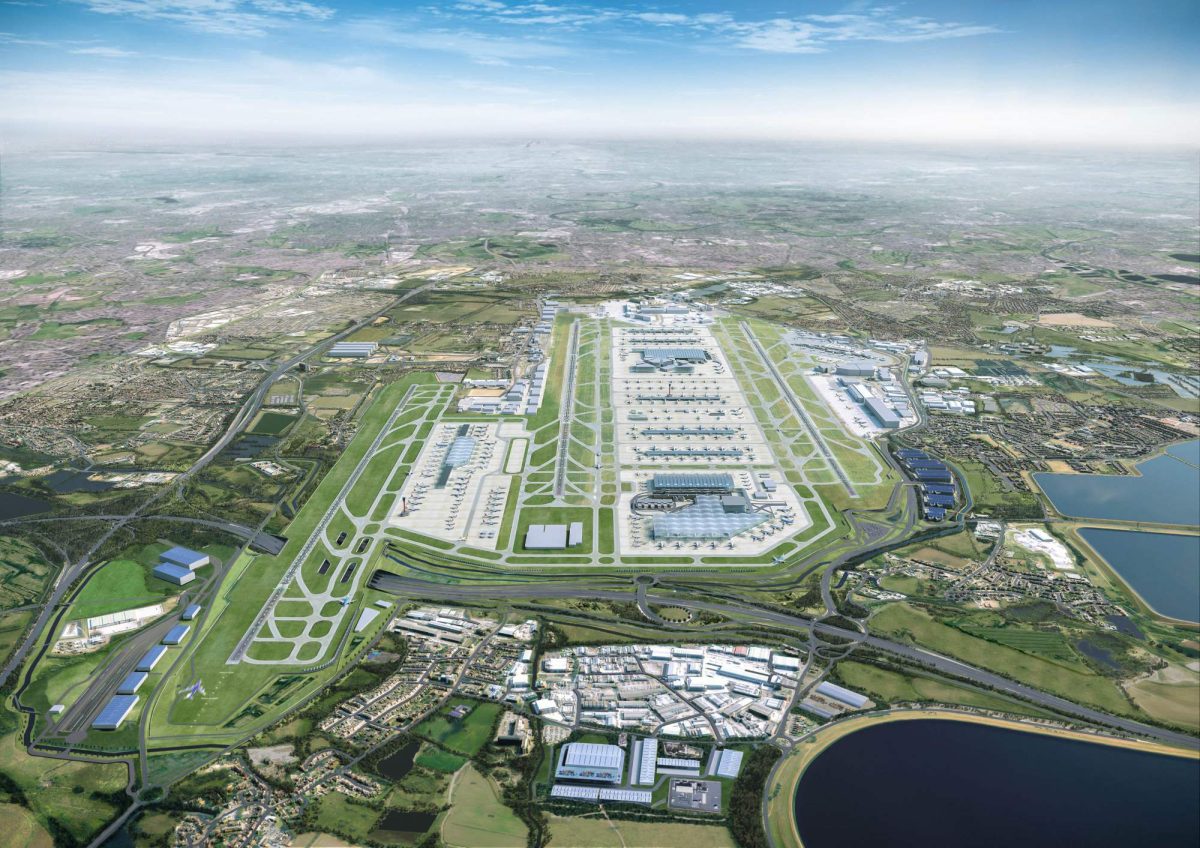
London's Heathrow Airport has quietly admitted that its long-awaited third runway won't be ready as soon as hoped. The airport now says the new tarmac could open in 2039, four years later than the government's original target of 2035. The news lands as the project wades through a thicket of planning rules and regulatory reviews that show no signs of speeding up.
The UK government first threw its weight behind the expansion in January 2025, with then Chancellor Rachel Reeves setting the 2035 goal. But Heathrow's own timeline tells a different story. The airport's immediate focus is securing planning permission by 2029, and only then would construction begin, with a decade of building ahead. "Our focus has always been to secure planning permission by 2029. Once achieved, the runway will be open within a decade," a Heathrow spokesperson told Reuters. That math puts the opening squarely in 2039, not 2035.
The Department for Transport has admitted the 2035 target was "always ambitious." A draft planning framework for the expansion went out for consultation in June 2026, but it still needs to pass through Parliament, and Heathrow has yet to submit a formal development consent application. In other words, the runway remains a blueprint, not a construction site.
This is a project with a price tag that keeps inflating. The third runway itself is estimated at £33 billion (around €38.5 billion), part of a wider £49 billion (€56 billion) investment program that includes terminal upgrades and other infrastructure. Planning alone has become a costly affair, with some estimates suggesting the application process could exceed £1 billion. Heathrow has floated the idea of recovering some of that through higher passenger charges, a move that could sting travelers' wallets.
If the runway ever opens, it would transform the airport's capacity. Heathrow currently handles more than 80 million passengers a year across two runways and four terminals. The expansion would lift the annual flight cap from 480,000 to over 700,000 movements, a massive jump that would require rerouting part of the M25 motorway and a host of other major works. For travelers, that could mean more flight options and potentially lower fares, but also more noise and air traffic over west London.
Supporters argue the extra capacity would boost the UK's global connectivity and create at least 108,000 jobs, with billions flowing into supply chains nationwide. But the project has always faced fierce opposition. London Mayor Sadiq Khan remains a vocal critic, and the UK's climate advisers have insisted that a third runway should only proceed if the additional emissions from increased aviation are properly addressed. Noise and air pollution concerns continue to rally communities around the airport.
The delay adds yet another twist to a saga that has dragged on for over two decades. Heathrow's own social media channels have tried to drum up public interest, with a series called "Ask Heathrow" where the CEO answers questions about the future. You can see the latest installment here, but the message is clear: this is a marathon, not a sprint.
For travelers, the practical takeaway is simple. Don't book your 2035 connecting flight through a new Heathrow runway just yet. The airport's expansion is a story of ambition meeting reality, and reality is proving stubborn. If you're planning trips to London in the coming years, expect the same two-runway hustle and bustle, and maybe check out how much your transport costs are rising while you're at it.
The bigger question is whether this delay signals a broader shift in airport expansion plans across Europe. As Europe's airport building spree faces carbon scrutiny, Heathrow's struggles could be a bellwether. And if you're wondering about the environmental angle, this piece on how the runway might force airlines to clean up is worth a read.
For now, Heathrow's third runway remains a promise on paper, with a new date that feels as distant as ever. The debate will rage on, but the runway itself is still a decade away, at best.