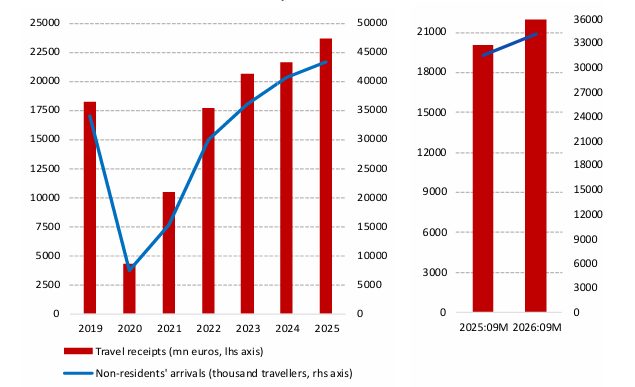
Greece has done it again. The country's tourism machine pulled in €21.96 billion during the first nine months of 2026, a jump of 9.7% compared with the same stretch last year. The numbers, released by the Bank of Greece, show arrivals climbing 8.3% to hit 34.2 million, while the average traveler spent 1.5% more per trip. That is not just a good season. That is a statement.
The growth is broad, but Europe remains the backbone. Receipts from EU residents rose 11.5% to €12.1 billion, with Germany and the UK leading the charge. Italy, though, stole the spotlight. Arrivals from Italy surged 17.3% to 2.29 million, and Italian visitors spent 26.2% more, contributing €1.45 billion. That kind of momentum is hard to ignore.
Not All Markets Are Booming
Yet the picture is not uniformly rosy. Visitors from non-EU European countries spent 7.3% less, dropping to €2.1 billion. France, a traditional heavyweight, sent 6.7% fewer travelers, and their spending fell 7.5% to €1 billion. Even the US, while spending 15.2% more at €1.66 billion, saw arrivals dip 4.7%. So the story is mixed, and the details matter.
September, the shoulder season that once meant quiet beaches, delivered a surprise. Receipts rose 11.1% year-on-year to €3.7 billion, even though arrivals barely moved, up just 0.6%. The hero? German travelers. Their spending jumped 48.6%, helping push average expenditure per trip up 10.2%. That is a clear signal that Greece is no longer just a summer fling.
Tourism's Outsize Role in the Economy
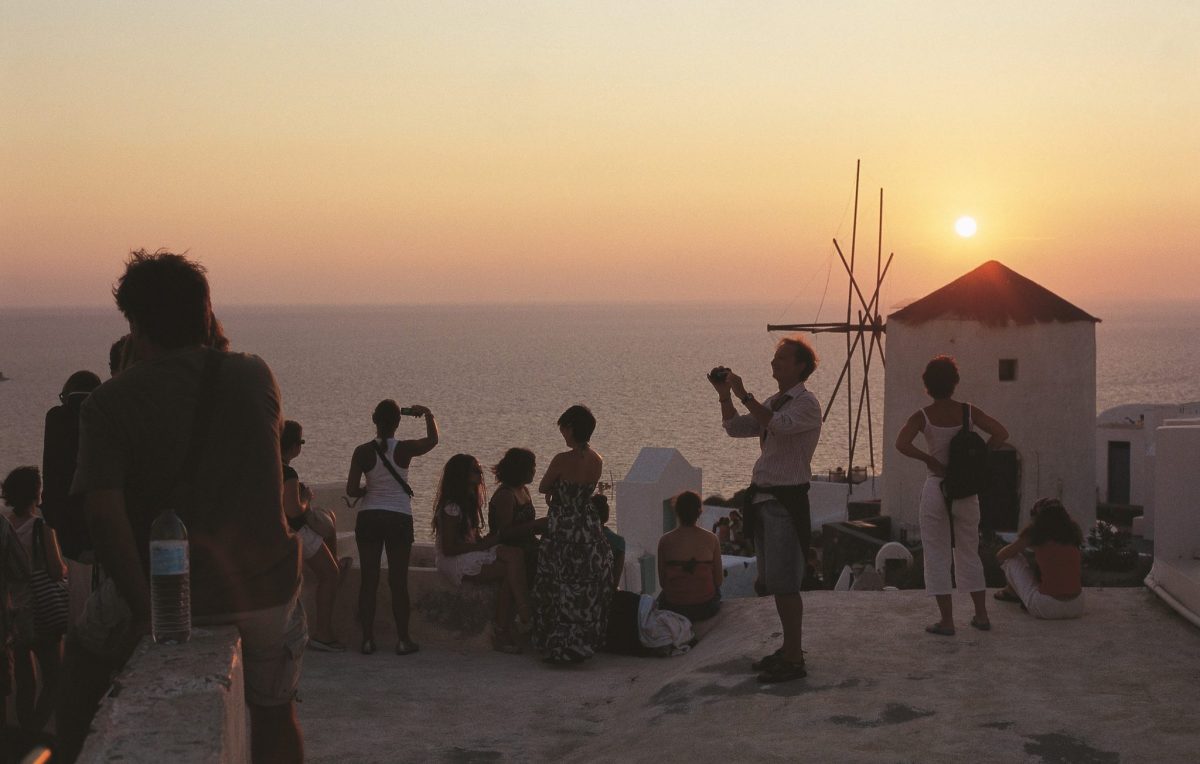
The broader economic impact is staggering. Net income from travel services covered 75.4% of Greece's goods balance deficit in the first three quarters. In September alone, net travel receipts offset the goods deficit by more than 100%. Tourism is not just a sector here. It is the engine that keeps the economy running.
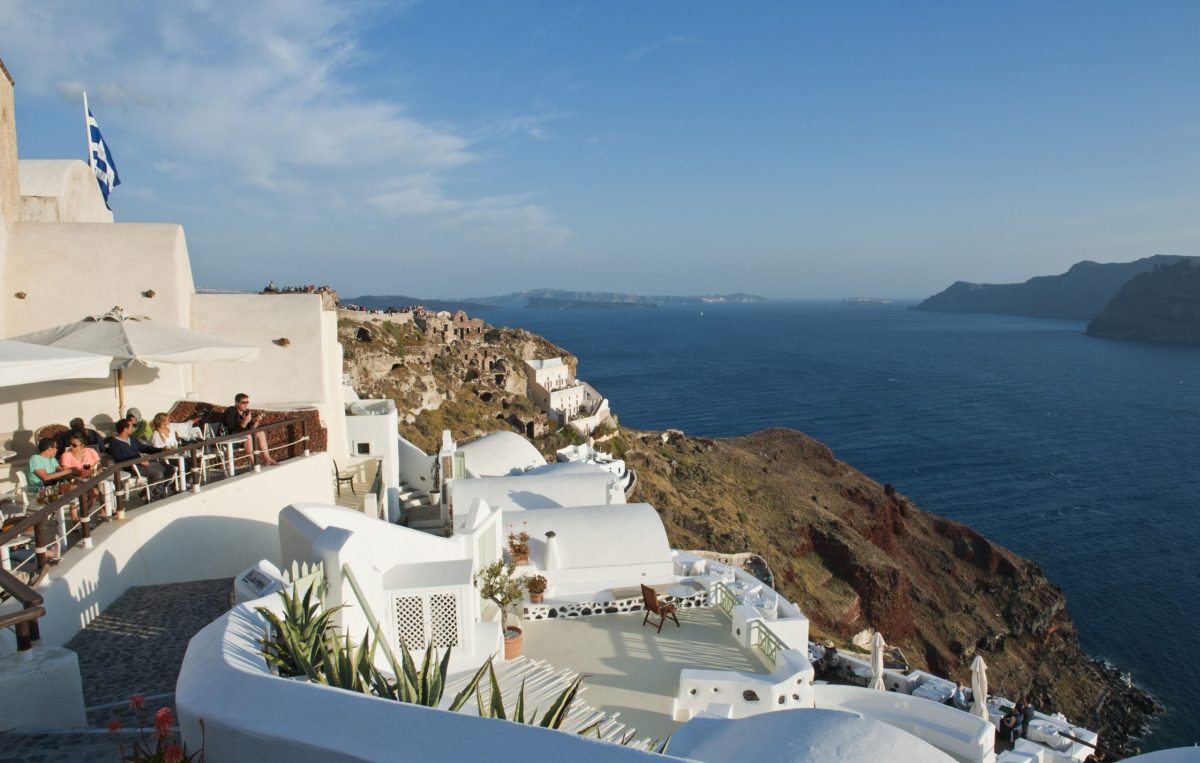
For travelers, this means a few things. First, Greece's appeal is not fading. The islands, the history, the food, they all keep pulling people in. Second, the rise in spending suggests visitors are willing to pay for experiences, not just a place to sleep. That could mean more boutique hotels, better tours, and higher prices in popular spots like Santorini or Mykonos.
If you are planning a trip, consider the shoulder seasons. September's numbers show that the magic does not vanish when summer ends. And with two European destinations just winning a big tourism prize for 2027, the competition for attention is heating up. Greece, though, is clearly holding its own.
The rise of Italian and German visitors also hints at a shift. Travelers from these markets are not just coming for the beaches. They are exploring the mainland, the lesser-known islands, and the culinary scene. That is a trend worth watching, especially if you want to avoid the crowds.
For those worried about overtourism, the data offers a mixed bag. Arrivals are up, but so is spending per person. That could mean a move toward quality over quantity, a shift that puts communities first and climate front and center. Greece's challenge will be to keep the growth sustainable.
One thing is certain. Tourism is not just a bright spot for Greece. It is the whole sky. And with numbers like these, the country is not slowing down anytime soon.