Picture this: You're in New York on a Tuesday evening. By dawn, you're watching the sun rise over Rio de Janeiro. No connections. No layovers in Miami or Houston. Just a straight shot down the Atlantic, landing fresh enough to hit Copacabana before lunch.
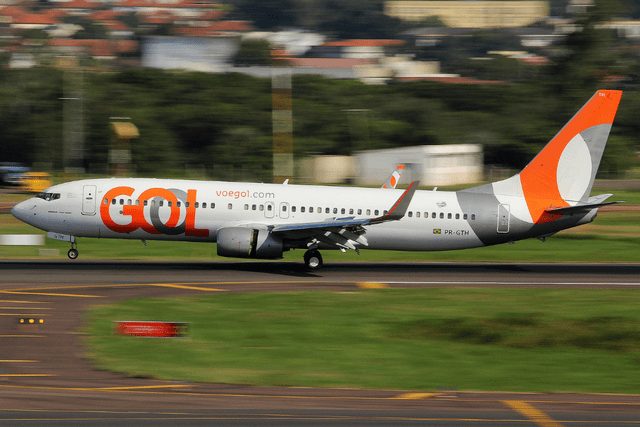
This is now possible. On July 8, 2026, GOL Airlines, Brazil's scrappy budget carrier, launches nonstop service between New York (JFK) and Rio (GIG) three times a week. Prices start at $479 one-way. The flight takes just under 10 hours, departing New York in the evening and arriving in Rio the next morning. The return follows the same pattern.
Here's the thing that makes this surprising: GOL was built on the opposite philosophy. Founded in 2001, the airline perfected the low-cost playbook using narrow-body Boeing 737s on short and medium-haul routes across Brazil. Quick turnarounds. High frequency. Competitive fares. The formula worked for over two decades.
Long-haul flying breaks every rule in the budget airline handbook. These routes demand wider aircraft, more fuel, complex crew scheduling, and longer turnaround times. Operating costs spike. Efficiency plummets. Most low-cost carriers avoid the headache entirely. But GOL is rolling out new Airbus A330-900 widebodies that can seat nearly 300 passengers and fly across oceans without refueling stops.
The INSIGNIA business class cabins feature lie-flat beds and multi-course meals for travelers willing to pay extra, though economy seats are available for budget-conscious flyers. This hybrid model, somewhere between budget and premium, is becoming increasingly common as major carriers expand international reach and low-cost competitors chase them upmarket.
Rio de Janeiro is primed for this move. Last year the city attracted 12.5 million tourists, including 2.1 million international visitors (a 45% jump). Christ the Redeemer. Copacabana Beach. Hiking trails with panoramic views. Samba clubs thrumming with live music. The beaches and mountains are the obvious draw, but the food scene, museums, and cultural energy keep people coming back. A nonstop flight from New York cuts hours off the journey, meaning more time actually exploring the city instead of sitting in airports.
But the New York to Rio route is just the opening move. GOL has bigger ambitions. Later this year, the airline plans to connect Rio with Paris and Lisbon. London and Porto could follow. For European travelers, this translates to more direct pathways into South America without the usual detours through hub cities. The economics work because GOL operates these larger jets at lower cost than traditional carriers, passing savings to passengers.
This pivot signals something larger: GOL is no longer content being a regional airline. It's chasing the global stage, betting that widebody aircraft and transatlantic routes can coexist with its legacy of efficient, affordable travel. The airline still operates plenty of 737s domestically, but the A330s represent a completely different vision of what GOL could become.
For travelers, the benefits are straightforward. Tickets are available on GOL's website and app. Red-eye flights mean you trade sleep for time, but arrive ready to start exploring. Premium cabin options exist for those who want to arrive rested. Most importantly, you have a direct option where one didn't exist before. That's rare enough in aviation to pay attention.