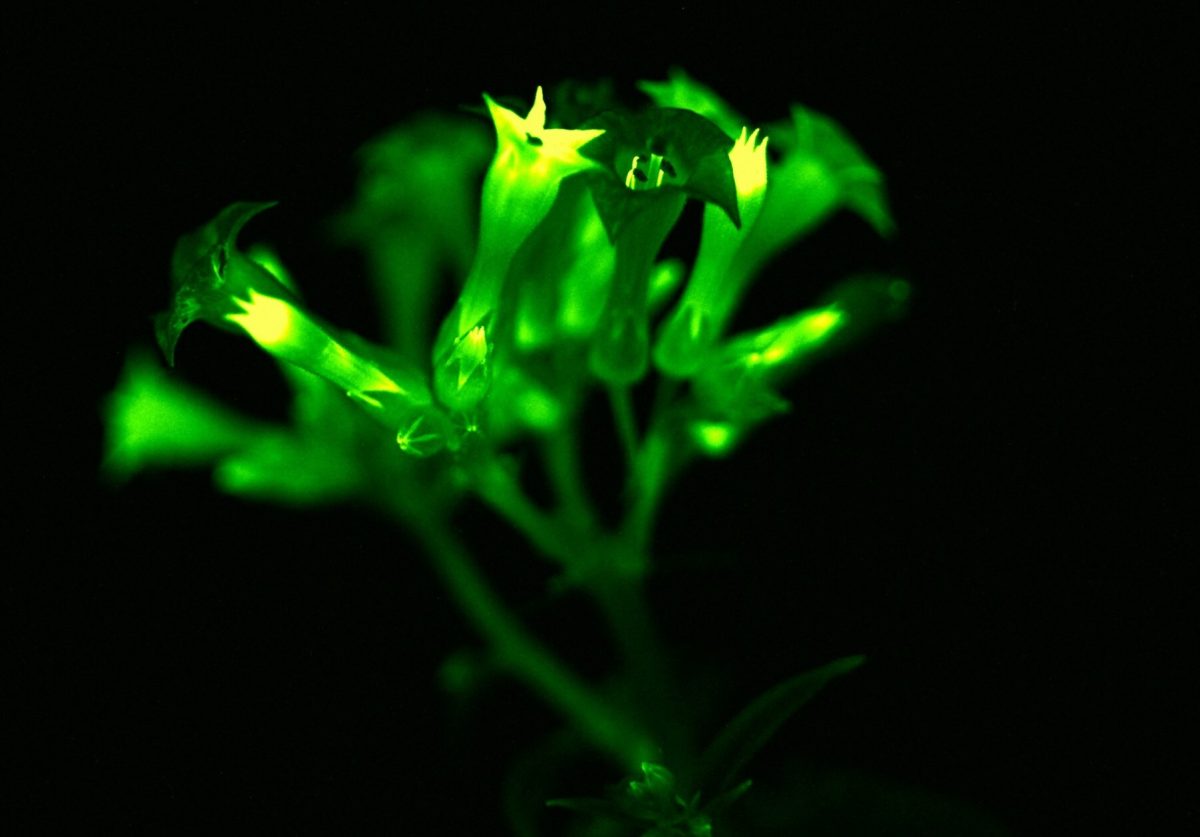
Picture stepping into a valley where plants pulse with soft, natural light after sunset. No electric hums. No glaring streetlamps. Just the gentle shimmer of botanically-engineered glow. This isn't science fiction anymore. Chinese researchers at Magicpen Bio recently unveiled over 20 species of luminescent plants at the Zhongguancun Forum, and the implications for travel, tourism, and urban design are suddenly very real.
The inspiration came from a personal memory. Dr Li Renhan, founder of Magicpen Bio and a PhD graduate of China Agricultural University, grew up watching fireflies light up his grandfather's bamboo grove. That childhood wonder sparked a question: could the genetic code behind bioluminescence be transferred into everyday plants? Working with gene-editing technology, his team discovered the answer was yes. Chrysanthemums, orchids, and sunflowers now emit a steady glow in darkness, and Li's ambitions stretch far beyond gardens.
Tourism Gets a Neon Makeover
The tourism potential is staggering. Existing botanical attractions could be revitalized overnight. Brussels already draws crowds with its biennial flower carpet in the medieval central square; imagine that same spectacle glowing through the night. Lavender fields in France and Spain pull thousands of visitors each season. Japan's cherry blossoms transform entire regions into pilgrimages. Even rare superbloom events in desert regions like Death Valley become once-in-a-lifetime moments. Now layer bioluminescence onto these experiences, and you create something that fundamentally changes when and how travelers visit.
"We could use them in urban parks without electricity," Li explains. "These plants only need water and fertilizer. They save energy, reduce emissions, and light up cities at night." On the surface, it's a compelling pitch. Reduced electricity costs. Lower carbon footprint. Extended hours for attractions. Longer nights for evening tourism, which is increasingly central to economic strategies in destinations like Macao and other Asia-Pacific hubs reshaping regional travel industries.
The Uncomfortable Questions Begin
But landscape designer Mo Helmi, founder of Tricoastal Scapes and based between London and Los Angeles, urges caution. "While this technology holds value in medical research, it feels too early to define it as sustainable design," he told us. The ecological risks are difficult to ignore.
Helmi points to several overlapping problems. First, the fundamental rhythm of nature itself. Bees are diurnal creatures, sleeping five to eight hours at night, often on flowers and plants. Artificial light disrupts these patterns. Fireflies, the very creatures that inspired this technology, communicate through precise bioluminescent flashes in darkness. Introducing engineered glowing plants into wild populations could scramble their mating signals entirely. Then there's the genetic wild card: engineered genes could escape into natural plant populations, creating unknown ecological consequences no lab can predict.
There's also a practical problem hiding beneath the ambition. These plants currently produce only weak light, far below what would be functionally useful for actual street lighting or park navigation. Their biological stability outside controlled laboratory conditions remains untested and uncertain.
This Field Already Has Competition
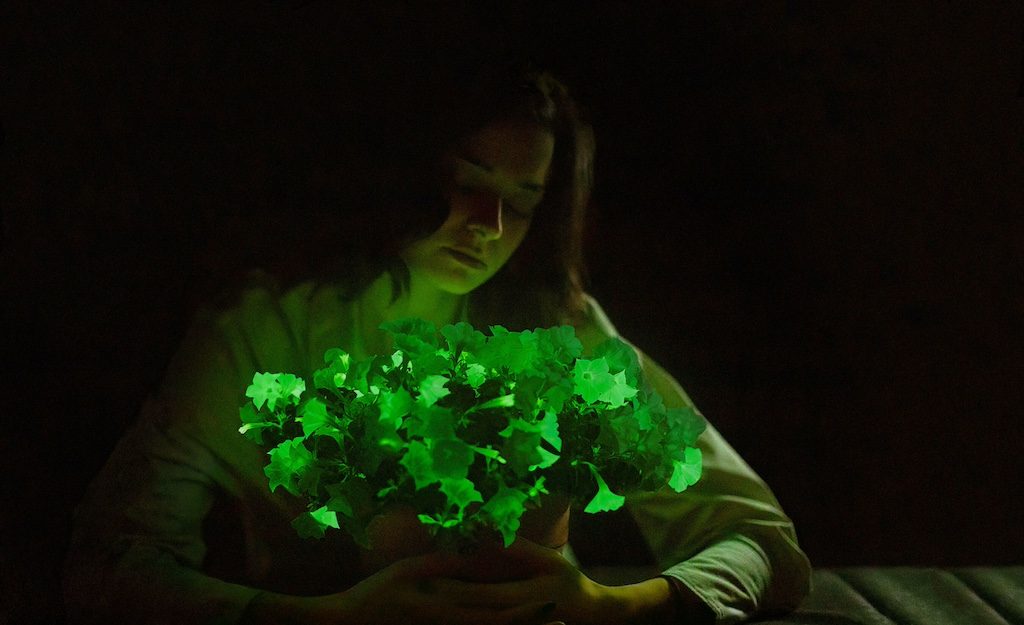
Magicpen Bio isn't alone in this space. In 2025, another Chinese team at South China Agricultural University injected phosphor particles into succulents, creating brighter (though shorter-lived) glowing plants that can recharge through sunlight or LEDs. The work appeared in Matter journal. Meanwhile, in the United States, Light Bio has partnered with MIT researchers to produce what they claim are "the world's first naturally glowing plants," marketed as "Firefly Petunias" using fungal genetics for indoor and outdoor spaces.
The technology is moving faster than policy or understanding. Installations and attractions featuring bioluminescent plants are already in development pipelines. The question is whether we should be asking whether urban nature should be engineered for spectacle, or whether it should be protected in its existing, intricate form. "True sustainability often lies in working with natural systems, not rewriting them," Helmi argues.
For travelers, this is worth watching closely. The next decade may present a choice: experience botany as it evolved naturally, or as humans have reimagined it. Both have their appeal. But the consequences of choosing the latter without fully understanding the ecological fallout could reshape far more than just city lighting.