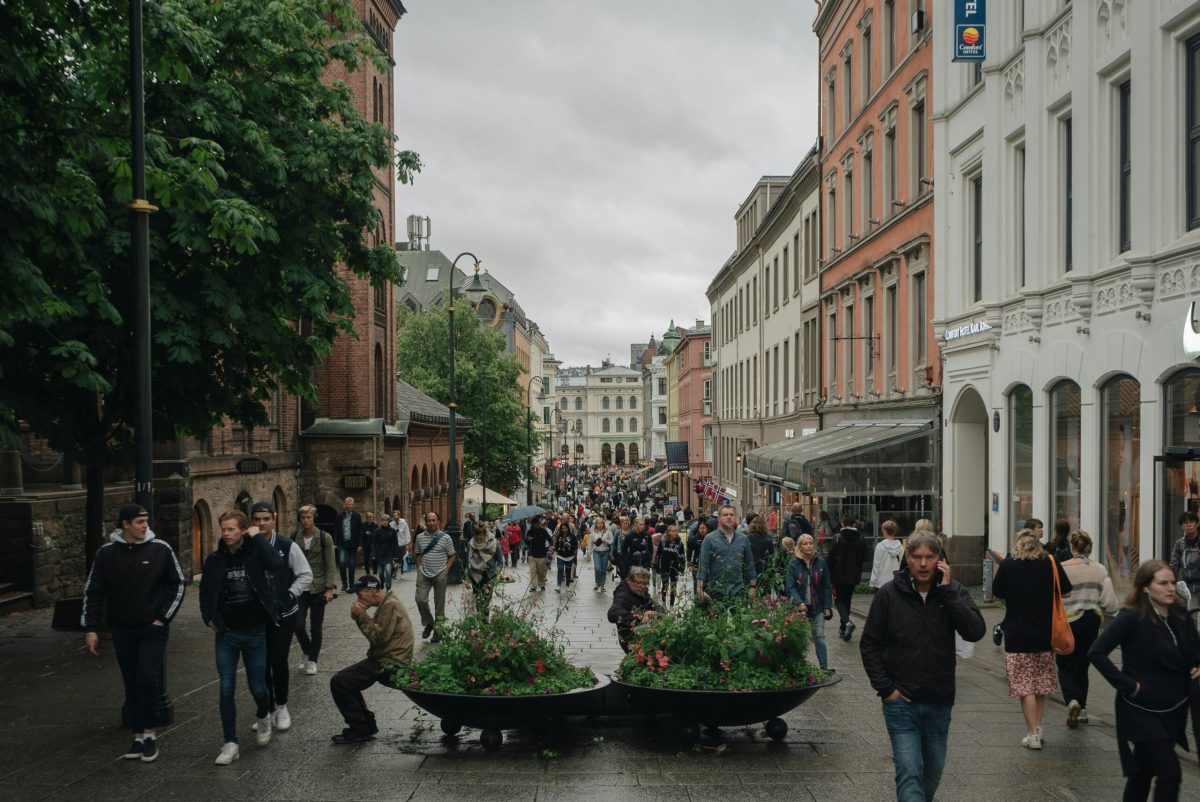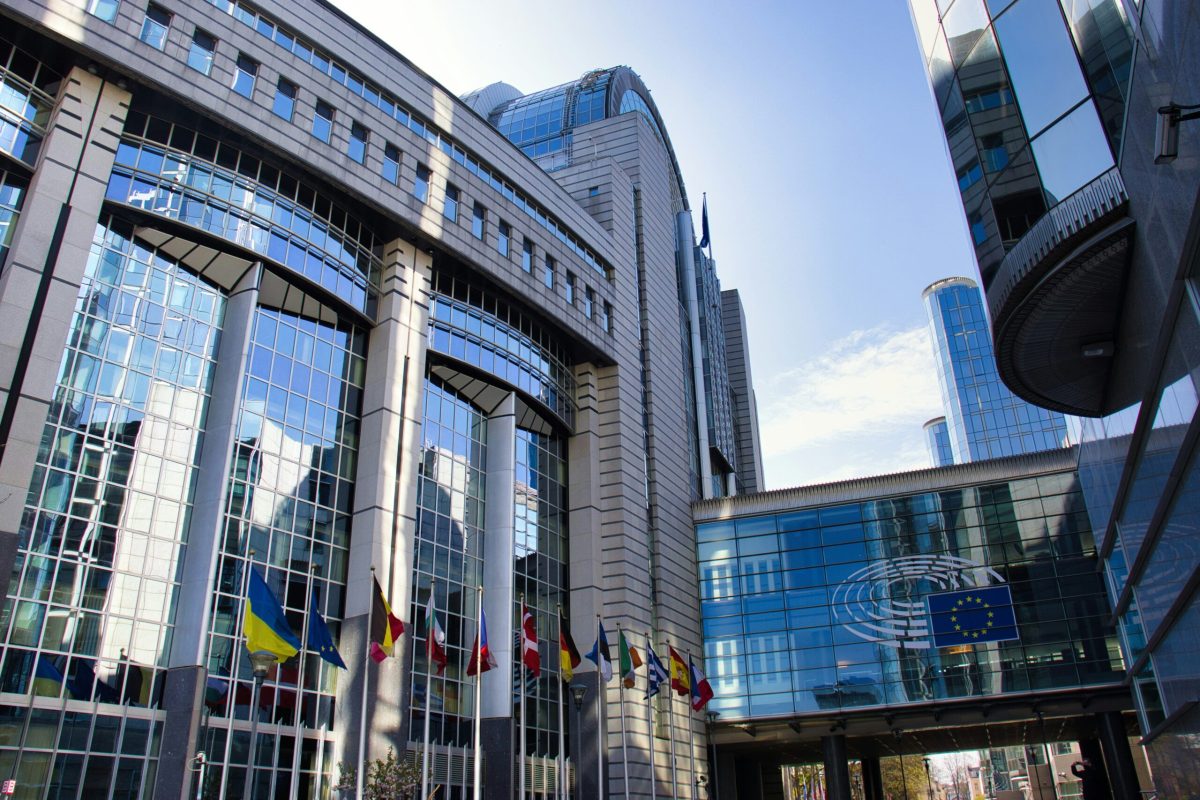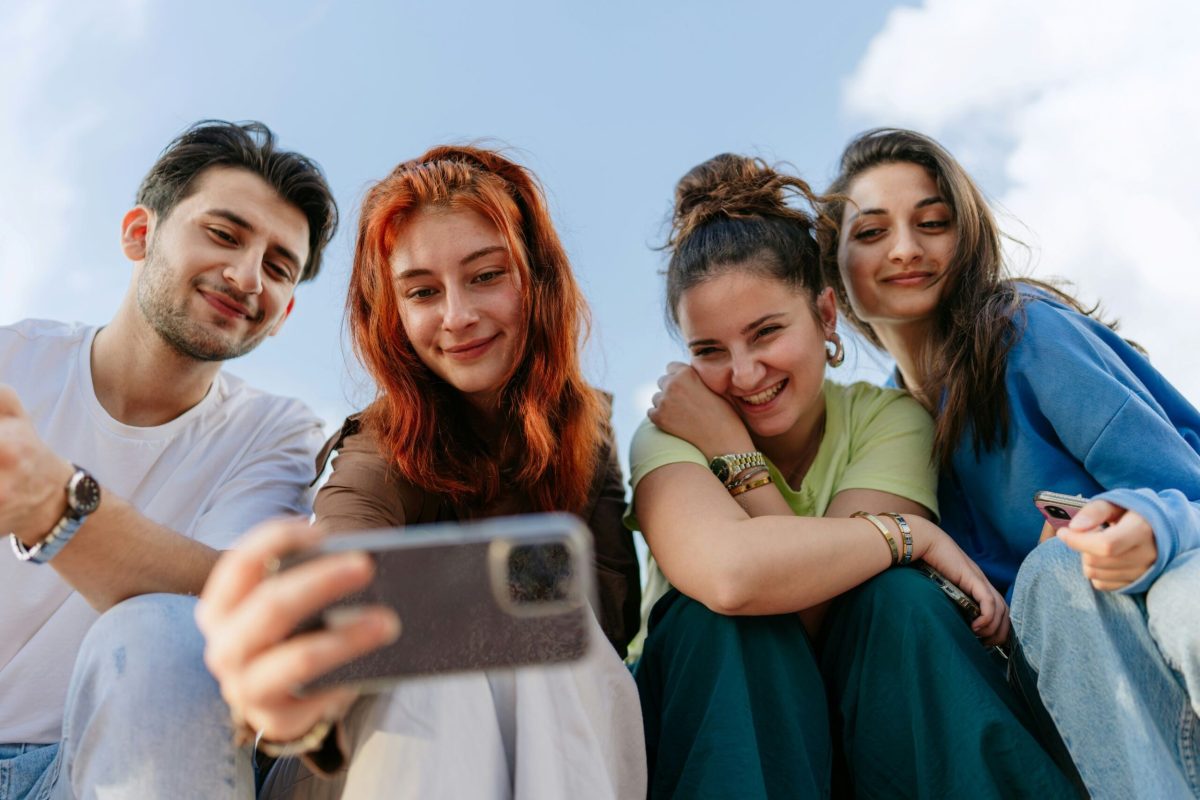
TikTok has quietly become the ultimate travel agent for younger adventurers. A fresh survey across Italy, Spain, and the United Kingdom found that 48% of Gen Z travelers (those born between 1997 and 2012) now source their next getaway idea from short-form videos rather than from friends and family, who rank at just 43% influence.
The numbers are staggering. Almost half of these digital natives have actually booked a trip or signed up for an activity after seeing a viral post. Even more striking: millennials proved even more susceptible to viral inspiration, with 52% making spontaneous bookings based on what they'd seen online versus 50% of Gen Z.
When influencers reshape your travel plans
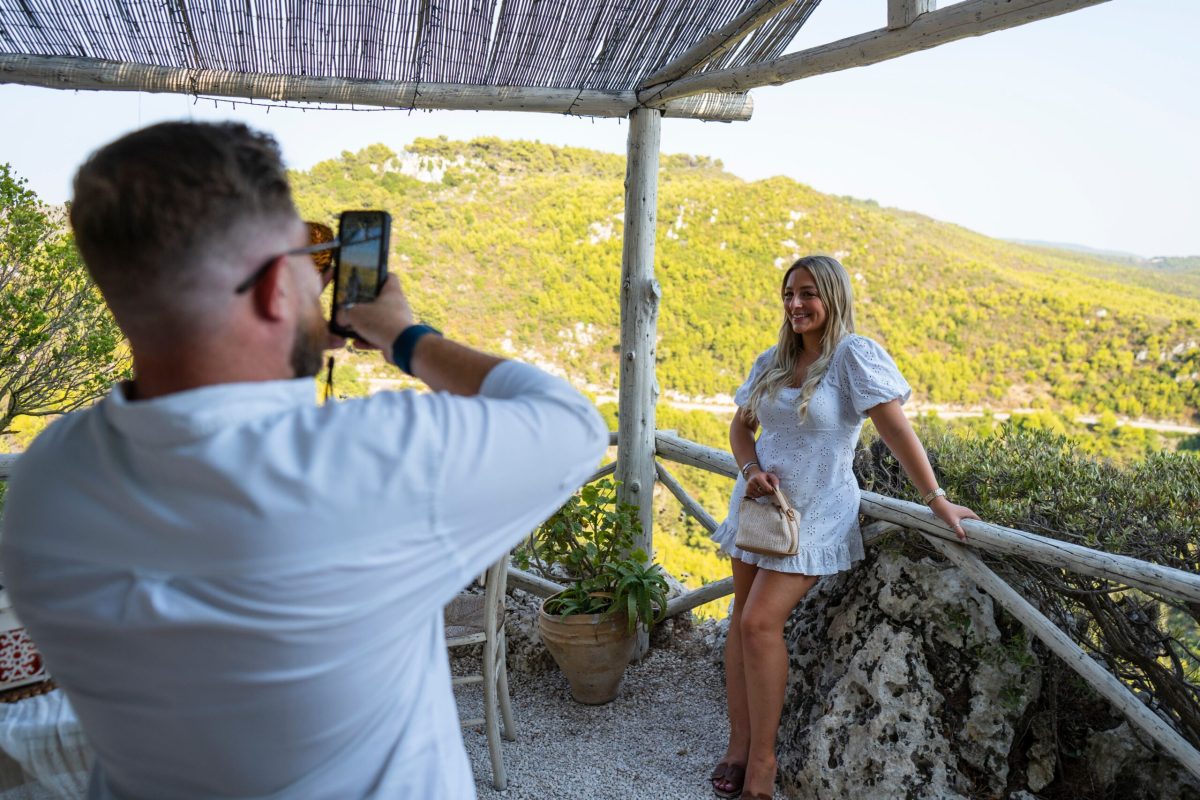
Content creators wield real power here. Among those who follow travel influencers, 43% admitted that creators had directly shaped their booking decisions. More than one in four (27%) even scrapped their original destination plans after hearing an influencer's take on where to go instead. This shift represents something fundamental about how young travelers now discover the world. The old model of guidebooks and word-of-mouth has given way to algorithmic discovery and personality-driven recommendations.
"A single image or video can inspire an entire trip," said Mirco Fiumene, Managing Director of Experiences and CMO at TUI Musement, the research firm behind the study. Tourism boards and travel companies have taken notice, increasingly investing in TikTok and Instagram strategies to reach audiences where they actually spend their time.
The performance pressure is real
Here's where things get complicated. The same social platforms fueling wanderlust are creating something else entirely: performance anxiety. More than a third of all travelers (37%) say they feel pressured to present their vacations as more thrilling than they actually were. Gen Z feels this pressure acutely, with 45% admitting they curate a heightened version of their trips for their followers.
This creates a strange paradox. Travelers are torn between two competing impulses. Some actively seek out lesser-known spots and small towns specifically to be first, to beat the crowds, or to capture something genuinely undiscovered. Yet simultaneously, 39% visit famous landmarks just to prove they've been there, and 37% prioritize Instagram-famous destinations over hidden gems.
But real connections still matter
The research did reveal one surprising bright spot. Despite the dominance of digital influence, nearly one in five respondents (18%) would consider constant photo-taking and social media obsession a red flag when selecting a travel companion. Apparently, some still believe that experiencing a moment beats documenting it.
TUI's interpretation of the data suggests that while social media has fundamentally transformed how people discover and plan travel, the actual experiences at a destination remain what truly connects travelers with a place. The algorithm gets you there. But the memory is what keeps you coming back.