Fuzhou has a problem. It sits in the shadow of Xiamen, its more famous Fujian neighbor, and travelers often breeze past it on the high-speed rail line connecting Shanghai and the coast. But those who hop off the train find a city that feels less polished, more lived-in, and surprisingly full of character. Think steaming noodle bowls in morning markets, banyan trees draping their roots over centuries-old walls, and hot springs that have drawn visitors since the Tang dynasty.
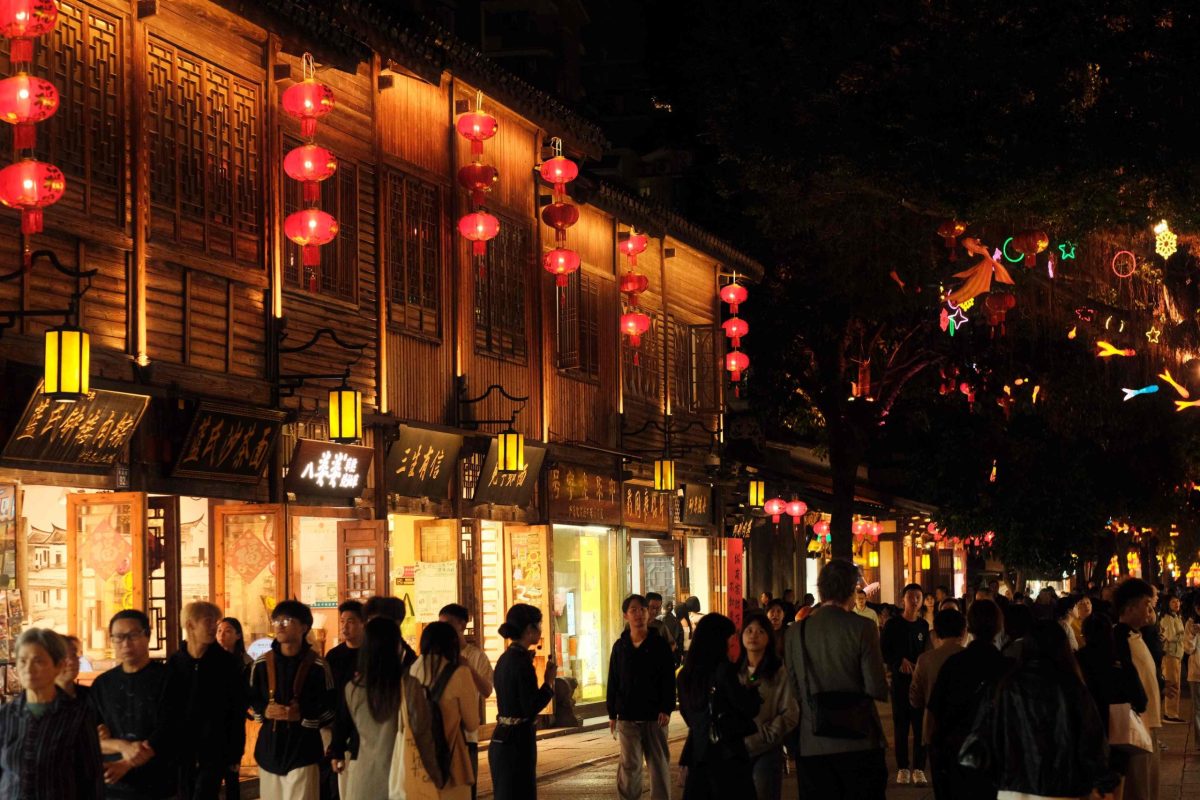
The city's nickname is Rongcheng, or Banyan City, and the trees are everywhere. They shade the narrow lanes of Sanfang Qixiang, a maze of alleys that dates back over a thousand years. This is one of the best-preserved ancient neighborhoods in China, with Ming and Qing dynasty homes now converted into teahouses, craft shops, and small museums. Wander in the late afternoon when the light filters through the leaves and the crowds thin out.
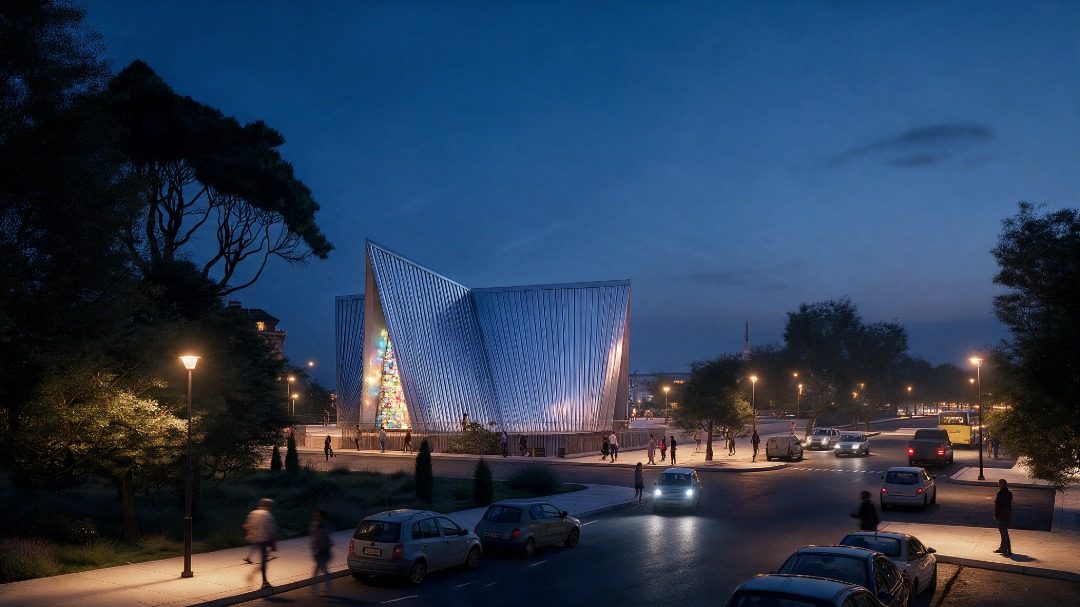
For a dose of modern China, head to the Fuzhou Strait Culture and Art Center, a swooping structure on the banks of the Min River. It's a striking piece of architecture, but the real draw is what's happening inside. China's cultural scene is booming, and this venue hosts everything from opera to pop concerts. If you're a museum lover, you might also want to check out how China's museums are dominating global visitor rankings, a trend that's easy to see in Fuzhou's own institutions.
Food is a serious reason to visit. Fuzhou is the birthplace of Min cuisine, one of China's eight great culinary traditions, and it's famous for its seafood, light broths, and the slightly sweet, fermented red rice wine that flavors many dishes. Don't miss the fish balls stuffed with pork, or the lychee pork, which looks like lychees but is actually a cleverly shaped meatball. The city's night markets, especially around the old town, are a feast for the senses.
If you need a break from the city's hustle, the hot springs are the answer. Fuzhou sits on a geothermal belt, and there are dozens of public bathhouses and resort spas where you can soak in mineral-rich waters. Locals swear by the healing properties, and after a day of walking, your legs will agree. It's a tradition that goes back centuries, and it's one of the city's most relaxing experiences.
Getting to Fuzhou is easier than ever. The high-speed rail connects it to major cities like Shanghai, Hangzhou, and Xiamen in a few hours. And with China's expanding visa-free entry for many European countries, a stop here is becoming more practical for international travelers. The city also has its own airport with direct flights from several Asian hubs.
Fuzhou is not a city that shouts for attention. It doesn't have the skyline of Shanghai or the ancient wonders of Xi'an. But it has something quieter, a sense of authenticity that's getting harder to find. The old alleys are still lived in, the tea houses are full of locals playing chess, and the hot springs are a daily ritual, not a tourist attraction. That's the kind of place that stays with you long after you've left.
So next time you're planning a China trip, consider adding Fuzhou to the list. It's a city that rewards the curious, the hungry, and the slightly offbeat traveler. And who knows, you might just find yourself extending your stay. For more on China's evolving travel scene, check out how China's new jetliner is breaking free from Western parts, a sign of the country's push for self-reliance in aviation, which could affect your future flights.