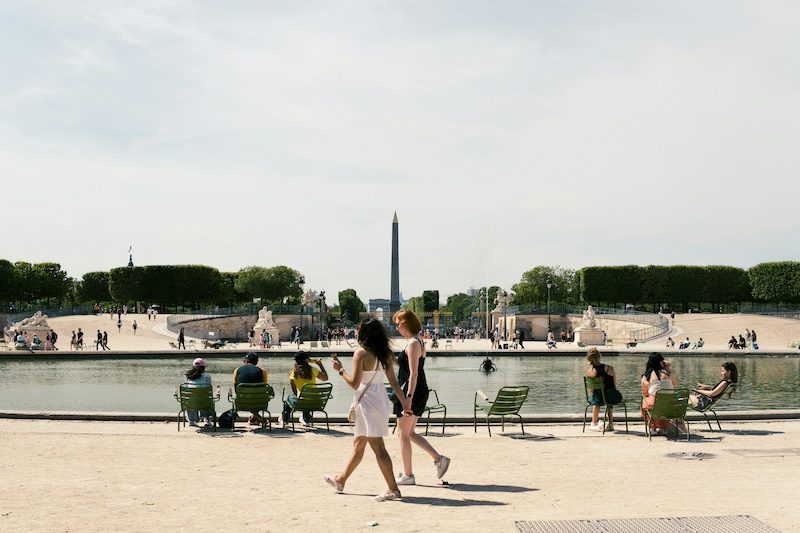
France is sweltering. Temperatures in western France are climbing toward 45 degrees Celsius (113 Fahrenheit), hotter than current forecasts for Phoenix, Arizona, and the country is enduring one of its worst heatwaves on record. Paris has become a city of desperate swimmers, with massive crowds packing into the Saint-Martin canal to escape the intensity. When temperatures soar like this, the instinct is obvious: shed layers and cool down.
But if you're planning to strip down to the waist in France this summer, think twice. A growing number of beach towns and coastal cities have introduced fines for anyone bold or overheated enough to go topless in public spaces. These aren't small penalties either. Many municipalities are now threatening fines of up to 150 euros, a significant dent in any vacation budget.
The New Rules Are Spreading Fast
The crackdown started years ago but has accelerated dramatically. Nice instituted a toplessness ban back in 1999, limiting shirtless behavior to actual beaches and threatening 35-euro fines for violations. Other cities have watched and learned. Deauville and La Grande-Motte followed suit, with Deauville ramping up penalties nearly tenfold, from 17 euros to 150 euros. Narbonne in the southwest introduced its own ban, justifying the measure as necessary to "preserve public tranquility, respect for the living environment and the attractiveness of the city centre during the summer season." Translation: keep your shirt on in town.
Les Sables d'Olonne, an elegant bathing resort on the Atlantic coast known for two centuries of seaside refinement, jumped on the trend in 2025. The town launched a particularly cheeky campaign, complete with posters urging visitors to "behave themselves" and declaring that "200 years of Sablon elegance should not end in Y-fronts on our streets." The fine here matches the others: 150 euros.
Police are the enforcers. Around 15 people have already been caught breaking Narbonne's dress code, and similar enforcement is underway in other towns. Visitors aren't getting much warning beyond occasional signage and official announcements.
What's Really Going On Here
The fines reflect a larger cultural tension in France. There's a growing divide between those who cherish France's reputation for tolerance and "laissez-faire" attitudes, and those pushing for stricter adherence to what they consider traditional values. This same debate exploded over women wearing full-body beach coverings, or "burqinis," leading to surreal moments where French police ordered women to undress on beaches. Now the rules are swinging the other direction.
The timing matters too. France welcomes 102 million international visitors annually, making it the world's most-visited country. Spain sits close behind, and both have faced mounting anti-tourism sentiment. Local authorities are increasingly trying to impose a dress code on visitors, framing compliance as a way to "fit in" with local social norms. It's part of a broader effort to manage tourism's impact on communities that feel overwhelmed.
A Perspectus Global survey found that 28 percent of male international visitors think toplessness is acceptable. That's a significant chunk of France's guest list who may find the new rules frustrating or even offensive.
Practical Advice for Your Summer Trip
Unless you're prepared to lose serious money, pack a t-shirt or lightweight cover-up for time spent in town. The rules apply to public spaces away from designated beach areas, so you can still go shirtless where locals expect it. The extra layer will also protect you from sunburn in those extreme temperatures, which at this intensity can be genuinely dangerous.
If you're exploring Southern Europe's beach destinations this summer, France isn't alone in enforcing dress codes. Respect local customs, ask locals what's appropriate in each town, and understand that beach culture and city culture operate by different rules almost everywhere.
The bottom line: France's summers are getting hotter, tourists are arriving in record numbers, and coastal communities are drawing clearer lines about what behavior they'll tolerate. Whether you agree with the fines or not, 150 euros is expensive enough that a simple shirt might be the cheapest travel insurance you'll buy this season.