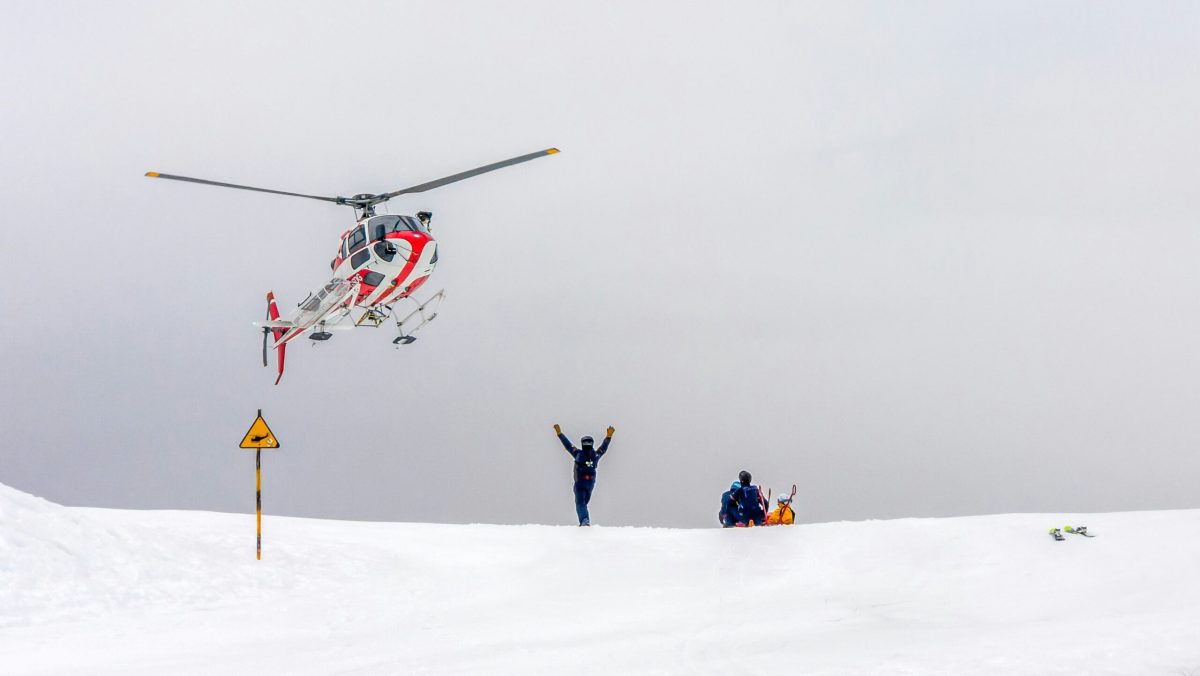
Mountain rescue in France is getting expensive, and someone has to pay. The French government's fiscal watchdog just dropped a report suggesting that hikers and climbers should start covering the costs of their own emergency operations. If the proposal moves forward, both foreign visitors and French nationals could face substantial bills after a rescue callout.
The numbers tell the story. A single mountain rescue involving helicopters and specialized teams now averages 10,780 euros, nearly double what it cost a decade ago. In 2024 alone, rescue services responded to around 10,000 operations, a 40 percent jump in helicopter deployments compared to just six years earlier. That's adding up to roughly 107 million euros annually, far exceeding what the French government has budgeted for these operations.

Why Rescues Are Exploding
Two big factors are driving the surge. First, mountain sports have become mainstream. What was once a niche pursuit is now a popular holiday activity for people across Europe. Second, climate change is making the mountains less predictable. Unstable snow conditions and erratic weather patterns increase accident risk, forcing rescue teams into more frequent and complex operations.
The French authorities aren't inventing this idea from scratch. Several other European countries already charge for mountain rescues, including Austria, Germany, Italy, and Switzerland. Insurance requirements are standard practice in many alpine destinations, and countries bordering the Himalayas have been billing rescue operations for years.
The Case For Charging
Proponents argue that cost recovery is fair and sustainable. When people knowingly engage in risky activities, they should bear responsibility for their own safety net. The proposal isn't about punishing adventure seekers indiscriminately. Instead, authorities suggest that the charge would apply specifically to those engaging in reckless or negligent behavior, rather than simply penalizing foreigners or recreational hikers.
The Pushback Is Fierce
Mountain guides and rescue advocates are pushing back hard. Yannick Vallençant, who represents the mountain guides' union SIM, made a sharp point: road accidents, drowning, and smoking-related illnesses all generate emergencies and costs, yet nobody is forced to pay insurance for those activities. Why single out mountain sports? He also noted that mountain rescue costs French taxpayers just 1.50 euros per person annually, hardly a crushing burden.
There's also a fairness argument. Mountain recreation isn't exclusive to the wealthy. French citizens from all income levels hike in the Alps and other ranges. Introducing charges could price out everyday people and make mountain sports something only the affluent can safely enjoy.
A more practical concern is that charging for rescues might actually make emergencies worse. If hikers know they'll face a massive bill, they might delay calling for help or hide from rescue teams entirely, turning a manageable situation into a life-threatening one. Delaying a rescue call out of financial anxiety could transform a straightforward operation into a complex, dangerous recovery mission.
What Happens Next
France hasn't made a final decision yet, but the conversation is accelerating. In the meantime, ski resorts and tourism authorities are focusing on prevention. Val d'Isere's "Ski tranquille" campaign, for instance, hammers home the dangers of excessive speed and alcohol consumption on the slopes. Education and personal responsibility might prove more effective than billing after the fact.
For travelers planning alpine adventures in France, the current system remains free. But watch this space. Whether France ultimately charges for rescues will shape how people experience mountain tourism across Europe for years to come.