Nine times. Finland has now topped the World Happiness Report for nine straight years, which at this point moves well beyond luck and into something that looks suspiciously like a blueprint.
The World Happiness Report surveyed over 100,000 people across 140-plus countries, asking them to score their life satisfaction on a scale from 0 to 10. The results keep pointing to the same Nordic nation at the finish line. This year, Finland didn't just hold its crown, it actually gained ground, improving by 0.4 points compared to 2025. Iceland sits in second place, Denmark third, and Sweden fifth. Costa Rica showed dramatic movement, jumping from 23rd place in 2022 all the way to fourth place this year, proving that happiness gains can happen fast.
Why Finland Keeps Winning
The usual suspects still matter: GDP and access to social support remain the strongest predictors of wellbeing. But there's a pattern hiding underneath those numbers. Countries where people donate regularly, volunteer their time, and help strangers also rank significantly higher on the happiness scale. Generosity and community actually correlate with contentment.
For Finns, the explanation is more straightforward. "I love the fact that Finland is safe and that I can trust the average person here," Olli Salo, a Helsinki resident, told the BBC. "Children walk to school from the age of seven, and you can trust that if someone makes a promise, they will keep it." That kind of baseline trust shapes daily life in ways that spreadsheets barely capture.
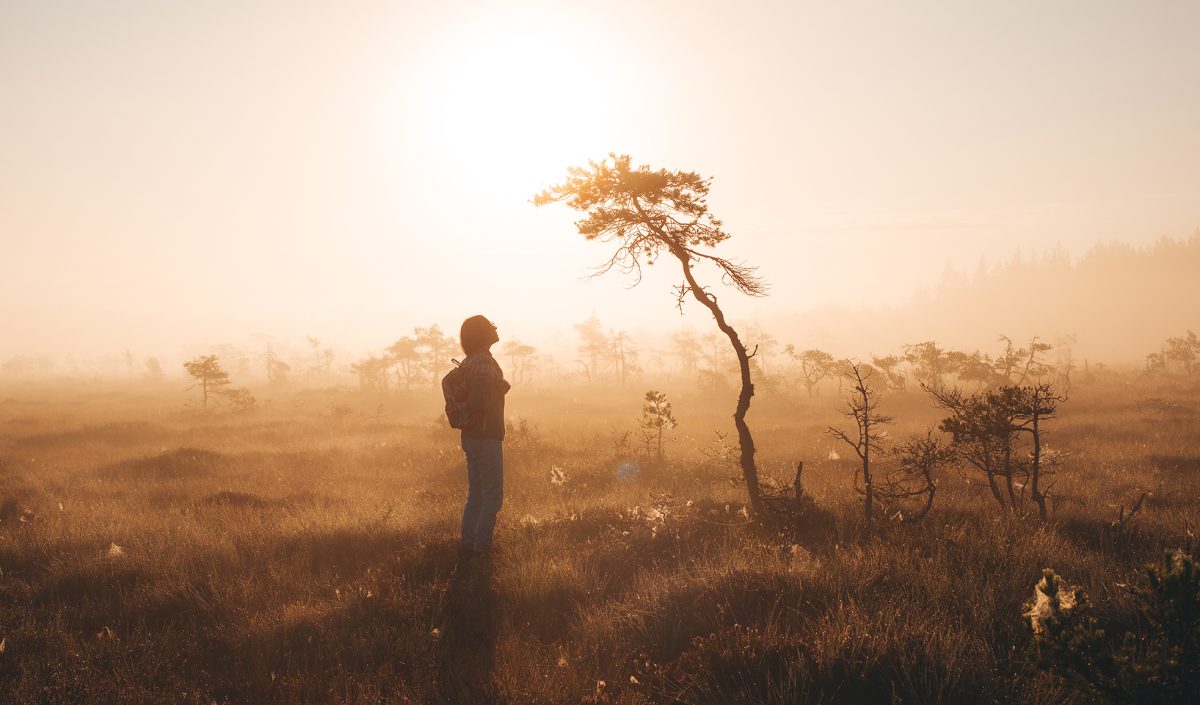
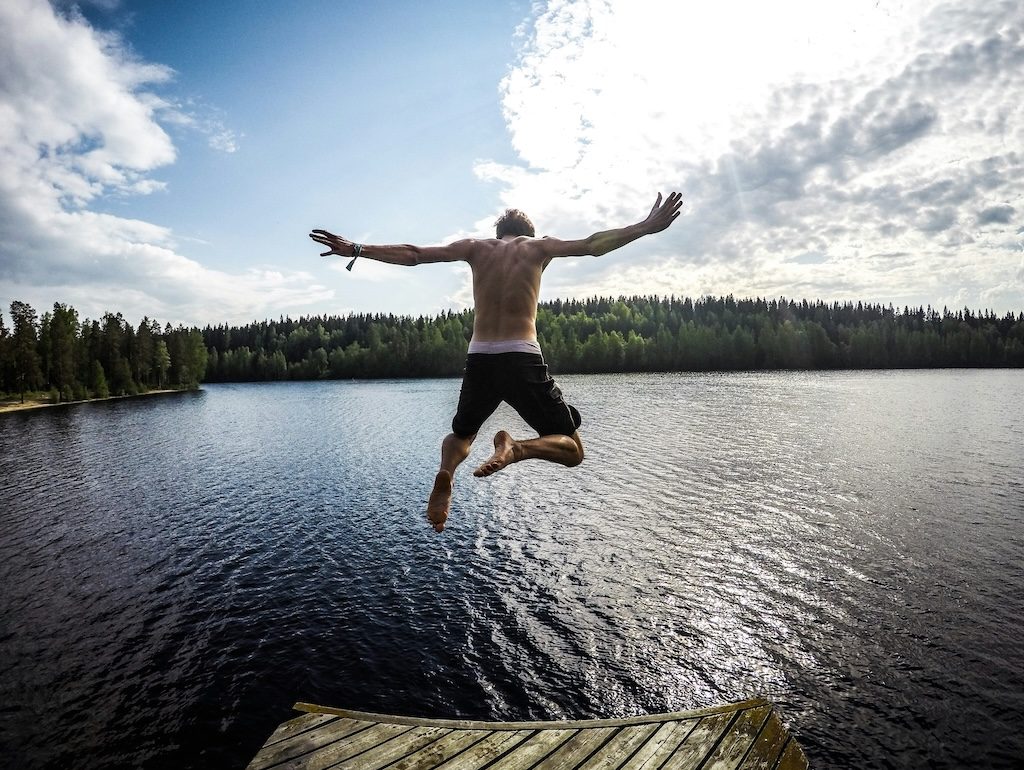
Then there's nature. Helsinki's mayor Daniel Sazonov points out that "being able to step outside and reach the sea, a park or a forest for an evening walk within minutes is special." Finland is built in a way that lets people escape into green space constantly. It's not exotic travel, it's just accessible recovery.
High taxes might sound like a drawback, but Finns get something back: public infrastructure that actually works. Education is free and world-class. Transportation runs on time. Healthcare doesn't bankrupt you. These systems eliminate the constant small stresses that wear on people in places where you need private solutions for everything. Finland's stable infrastructure has even caught the attention of travelers looking for a genuine escape.
The Younger Generation Problem
Here's what's concerning. While Finland celebrates its ninth consecutive win, happiness among young people in North America and Europe is tanking. The US ranks 23rd globally, the UK sits at 29th, France is at 35th, and Portugal dropped to 69th. This decline has been happening for fifteen years, and it maps almost perfectly onto one thing: the rise of social media, particularly among teenagers.
The World Happiness Report dug into this specifically. Across all 43 countries studied, heavy social media use correlates with lower life satisfaction and more mental health complaints. The effect is strongest in Anglo-Celtic nations, and the pattern is unmistakable. Teenagers spending five or more hours daily online, especially girls, report significantly worse wellbeing. Those limiting themselves to less than an hour daily? They're markedly happier. "We should look at ways to make social media more social again," says Jan-Emmanuel De Neve, an Oxford professor and report co-editor.
Australia is testing a bold experiment. The country recently banned social media for anyone under 16, and the world is watching closely. Next year's happiness report could provide the first real data on whether removing that particular source of daily stress actually moves the needle on young people's wellbeing.
The Finland findings suggest the answer matters. A country doesn't win the happiness crown nine times in a row by accident. It's built on trust, infrastructure that serves people instead of consuming them, access to nature, and importantly, a culture that values being present over being plugged in. For travelers seeking that kind of experience, Finland offers something increasingly rare.