The 2026 FIFA World Cup is shaping up to be one of the largest sporting events on the calendar, and health authorities across three continents are taking disease prevention seriously. If you're already planning your pilgrimage to catch matches in the United States, Mexico, or Canada, the World Health Organization has a simple message: go ahead and book your trip.
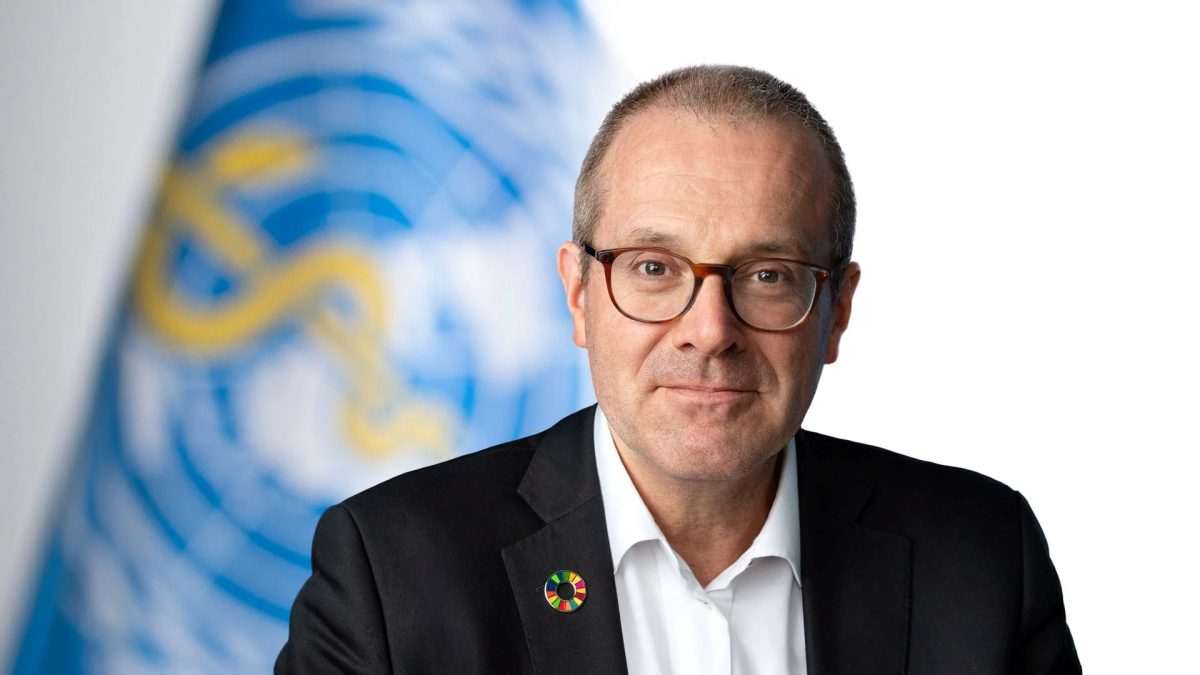
In a public statement aimed directly at prospective fans, Dr Hans Henri P. Kluge, WHO Regional Director for Europe, cut through the noise with reassurance. "Let me reassure you: none of the host countries, nor the European Region, currently has Ebola cases. There is no reason to change your plans. Travel as normal, stay informed and enjoy the tournament." His words address a legitimate concern after a single patient was isolated and treated for Ebola in Germany following evacuation from Uganda. The good news: that patient recovered, and all monitored contacts showed zero signs of infection or local transmission.
What's Actually Being Done to Keep Fans Safe
Behind the scenes, health preparedness looks nothing like a casual afterthought. The United States alone has invested roughly €224 million (in U.S. currency) in World Cup readiness programs. This includes nationwide training exercises for physicians, partnerships between FIFA and local officials in host cities, threat assessments, and disease-specific detection and treatment strategies. Airport screening has been tightened, and authorities are monitoring everything from wastewater quality to air safety data.
Mexico and Canada are running similar protocols. All three host nations have implemented travel restrictions affecting people with recent exposure in countries experiencing Ebola outbreaks. The Democratic Republic of Congo's national team, for instance, departed their home nation in May to train in Belgium before heading to the competition, ensuring compliance with entry requirements.
Beyond Ebola: The Wider Health Picture
Ebola dominates headlines, but organizers are thinking much broader. Health officials consider COVID-19, influenza, and measles the most likely threats during the 39-day tournament. Authorities have even conducted simulation exercises for potential MERS outbreaks. This comprehensive approach reflects lessons learned from previous major events and the reality that large gatherings create conditions for respiratory viruses to spread.
The WHO acknowledges that while no licensed vaccine or specific treatment exists for the current Ebola strain, early supportive medical care has proven effective. Dr. Kluge emphasized that "European Region health systems are well prepared," a confidence rooted in actual infrastructure improvements and staff training rather than wishful thinking.
A Push Back Against Stigma
Interestingly, the health conversation also touches on something less tangible than disease protocols: fairness. The WHO has resisted pressure from the United States to impose broader travel restrictions, arguing they do more harm than good. "People from affected regions and African communities have faced unfair suspicion," Kluge noted. "The spread of Ebola is not determined by nationality or ethnicity." The organization points out that overly restrictive policies discourage people from seeking medical care and complicate outbreak response efforts.
Instead, the WHO's strategy emphasizes supporting outbreak response where the disease actually exists: in the Democratic Republic of the Congo and Uganda. Stopping transmission at the source protects communities there and travelers everywhere else.
The Bigger Picture for Travelers
If you're concerned about navigating Europe's entry requirements to reach one of the host nations, or worried about what health protocols look like at airports, these are valid practical questions. The bottom line from health authorities is straightforward: stay informed, rely on official sources, and treat others with understanding. Common sense beats panic every time.
For travelers planning to attend, the message is clear. The 2026 World Cup will happen across three countries with strong healthcare infrastructure, transparent health planning, and active disease monitoring. Health officials aren't asking fans to stay home or cancel plans. They're asking you to show up informed, prepared, and ready to experience what promises to be an unforgettable tournament.