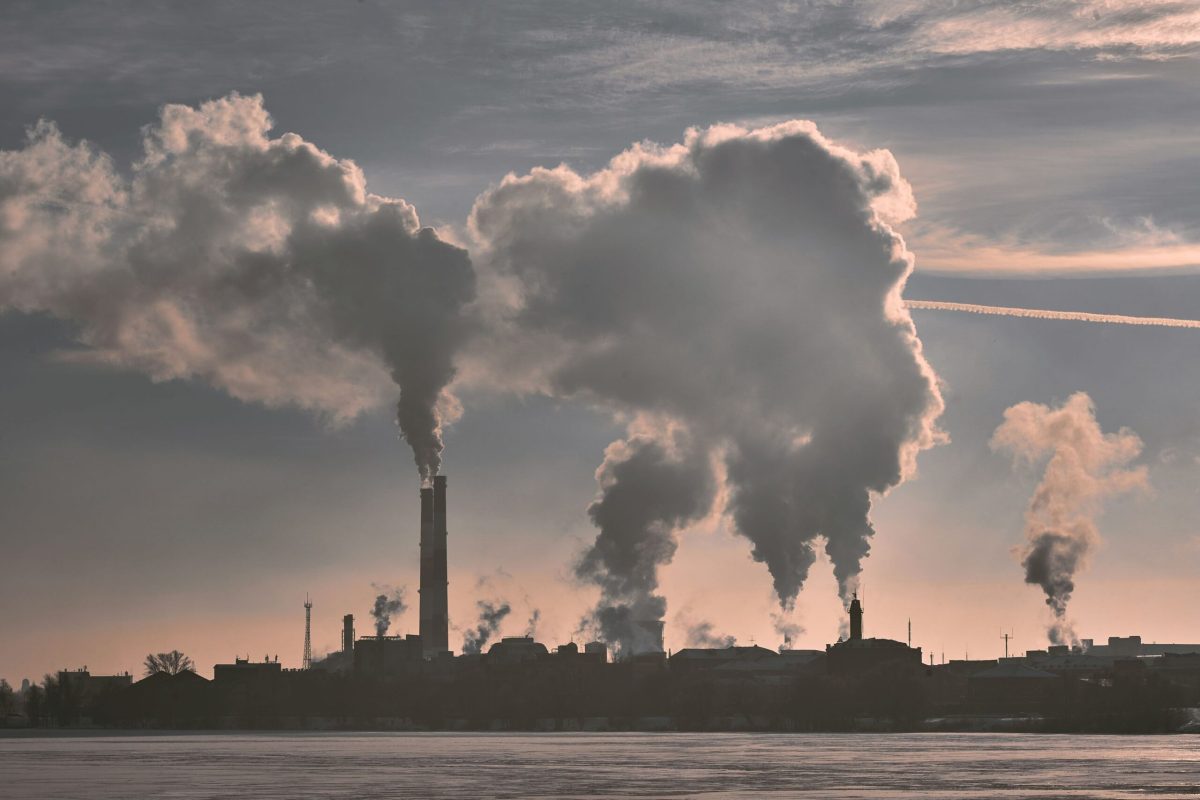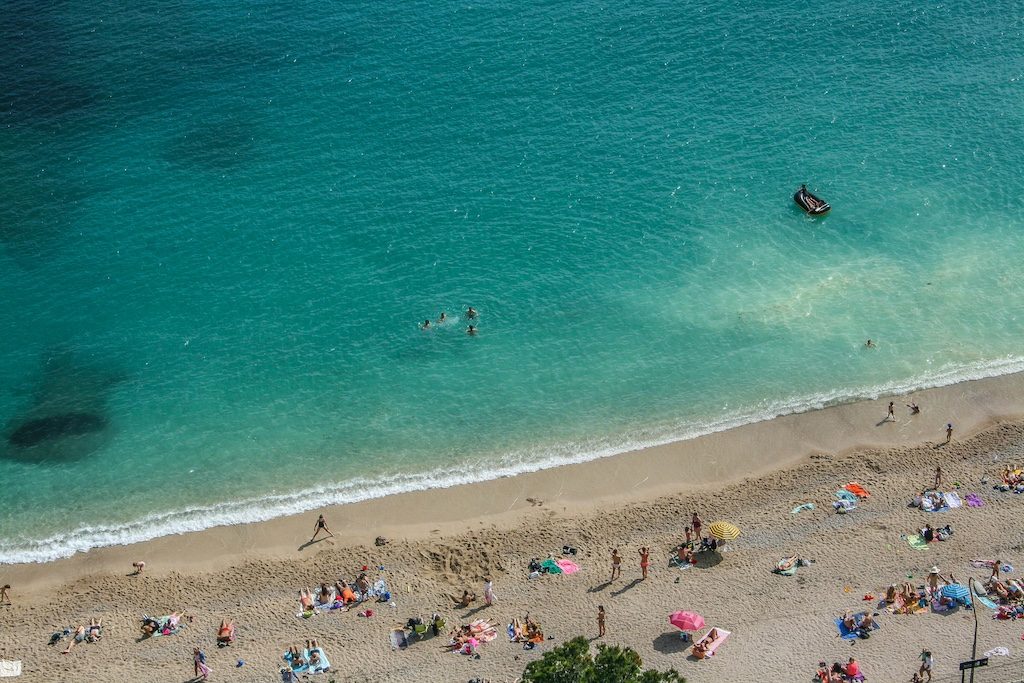
Summer holidays are calling, but Europe's coastlines are facing an unexpected danger that has health officials scrambling. While most travelers are packing sunscreen and booking beachfront hotels, a heat-loving bacterium called Vibrio vulnificus is quietly thriving in warming waters across the continent. Media outlets have dubbed it the "flesh-eating bacteria," and it's moving dangerously close to some of Europe's most beloved swimming destinations.
The bacterium itself isn't new. Vibrio typically lives in warm, brackish coastal waters (that mix of fresh and salt water you find in estuaries and lagoons). What's changed is where it's showing up and how prevalent it's becoming. Most Vibrio strains are harmless, but V. vulnificus is different. It can cause severe skin infections that, in rare cases, turn fatal, especially for people with open wounds, weakened immune systems, or chronic liver disease.
The Mediterranean is leading the warning signs. This body of water is warming roughly 20% faster than the global ocean average, creating ideal conditions for these bacteria to multiply. Haim Aznague, an analyst for Projects, Climate Action and Energy Resilience at the Union for the Mediterranean, describes the region as "a preview of climate change" rather than simply one of its victims. The Baltic Sea, Black Sea, and areas near major river inflows are currently showing the highest concentrations, but expansion is inevitable as temperatures climb.
How bad could it actually get?
The European Centre for Disease Prevention and Control (ECDC) isn't mincing words. Untreated infections can develop into necrotising fasciitis, a rare condition where bacteria rapidly destroy skin, fat, and tissue. Blood infections, sepsis, and even amputations have been documented in severe cases. The agency has officially warned of an "increased risk of Vibrio infections throughout the summer season," with particular concern during heat waves when water temperatures spike.
A recent study from the Gulf of Gdańsk revealed something unsettling: the bacteria is hitching rides on medical waste, plastic film, and cigarette butts floating in coastal waters. In other words, the debris people leave behind in and around the sea is helping this pathogen spread. The European Food Safety Authority has added another concern to the list. Vibrio can also contaminate seafood, particularly raw or undercooked shellfish like oysters, causing gastroenteritis and, in severe cases, fatal infections.
Europe has already recorded a steady rise in Vibrio infections over the past two decades, and global numbers are climbing. No European beaches have officially closed because of the bacteria yet, but closures related to pollution and other health alerts have become increasingly common in recent years. When a beach does close, the impact goes far beyond disappointed swimmers. Local economies that depend on summer tourism (hotels, restaurants, water sports operators) take a direct hit. "A closed beach is a climate impact that comes with a bill attached," Aznague warns, adding that rebuilding a region's reputation takes years.
What this means for your summer plans
For travelers heading to Mediterranean hotspots this season, awareness is your best defense. If you're planning a beach visit, avoid swimming with open cuts or wounds. Those with weakened immune systems or chronic liver disease should be extra cautious and consider speaking with a doctor before ocean swimming. When it comes to food, skip the raw shellfish, especially oysters, unless you're absolutely certain of their source and handling.
The ECDC is actively tracking the spread using an interactive map that updates daily with five-day forecasts of bacterial presence across European waters. Check before you go. The Mediterranean was Europe's most visited tourist region in 2024, drawing 747 million international arrivals. That number suggests most travelers will still head to the coast, which is fine, but informed decisions beat surprises.
Climate change isn't just about melting glaciers and record temperatures anymore. It's about invisible threats in the water where families swim and sunbathers relax. Experts predict this won't be the last summer we hear about Vibrio in European waters. Countries bordering the Mediterranean may eventually need a coordinated response, but for now, the responsibility falls on individual travelers to stay informed and take precautions. Summer isn't cancelled, but it demands a little more care than it used to.