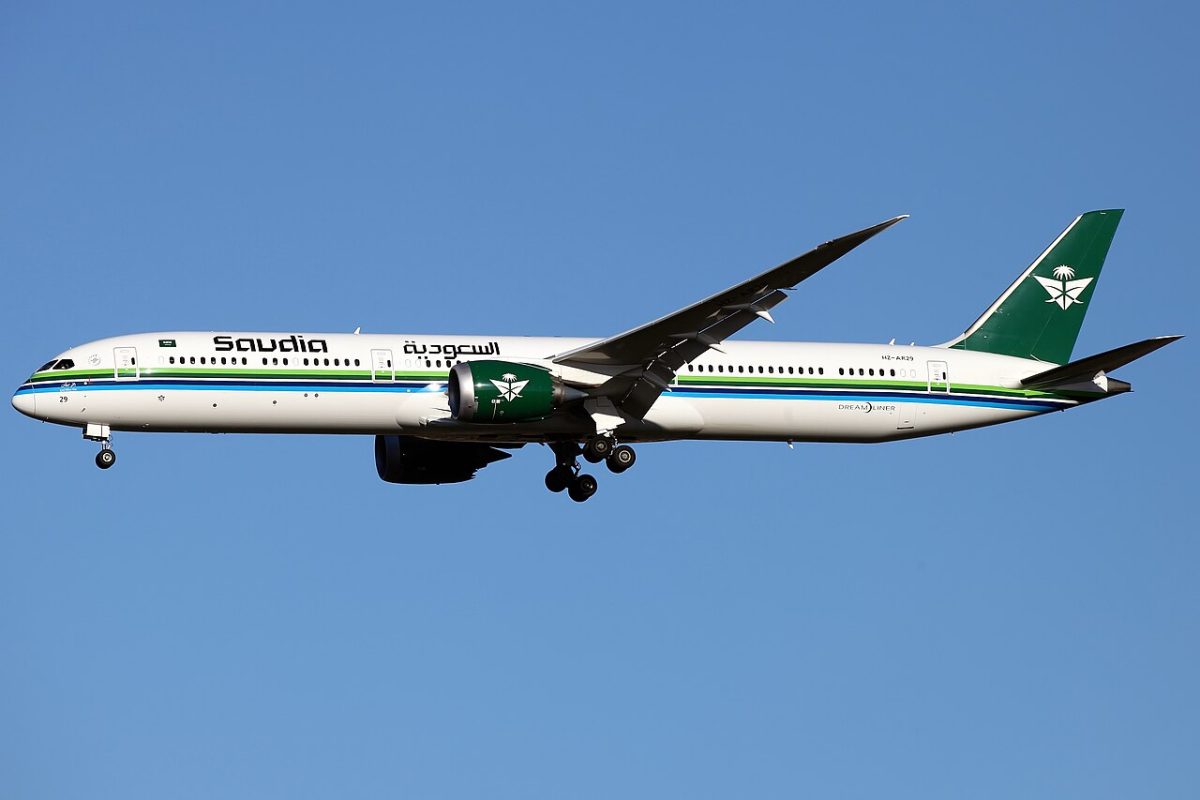
Picture this: You've booked that dream trip to Barcelona, secured time off work, and packed your bags. Then your flight gets cancelled because Europe has run out of jet fuel. Sounds like science fiction? It's becoming uncomfortably real.
Airport operators across the EU are raising the alarm about a looming shortage of jet fuel that could cripple air travel this summer. The culprit sits thousands of miles away in the Middle East, where geopolitical tensions have choked off a vital supply line. The Strait of Hormuz, one of the world's most critical shipping channels, has become a dangerous passage amid escalating hostilities between Israel, the United States, and Iran. With military blockades and constant security threats, oil tankers have largely stopped moving through the region, and European fuel reserves are draining fast.
The Three-Week Warning
In a letter to European commissioners, Airports Council International (ACI) Europe voiced "increasing concerns" about the economic toll of this fuel crunch. The message from director-general Olivier Jankovec was stark: if the Strait of Hormuz doesn't reopen for stable, significant shipping within the next three weeks, Europe faces systemic jet fuel shortages.
That's not hyperbole. Aviation fuels European economies to the tune of 851 billion euros annually, supporting around 14 million jobs across the continent. When flights stop, entire regions suffer. Gas prices have already spiked across the continent, triggering protests from truck drivers and farmers desperate for relief.
The Math Doesn't Add Up
Even if diplomacy works and the strait reopens tomorrow, here's the problem: recovery takes far longer than three weeks. Oil tankers currently stranded in the region need to complete their journeys to European refineries. Empty ships must then return to the Middle East to reload, assuming insurance companies are willing to send vessels back into what remains a volatile situation. Willie Walsh, chief of the International Air Transport Association, estimates that even with Iran reopening the strait, fuel supplies could take months to normalize, given the ongoing disruptions to Middle Eastern refining operations.
This creates a cascading problem that regional airports feel first and hardest. Smaller hubs typically stock only about one month's worth of fuel. As supplies tighten, airlines will inevitably prioritize major international hubs over regional airports, leaving smaller communities and their dependent economies hanging. The damage won't be distributed equally across Europe.
What Comes Next
ACI Europe is pushing for a coordinated response rather than leaving everything to individual airline hedging strategies. They're calling on the EU to boost monitoring of fuel availability, relax supply regulations, and consider collective purchasing agreements. The idea is sound: centralized coordination beats a scramble where every airline fights for its own reserves.
For travelers, the advice is straightforward. Book flights sooner rather than later, especially for mid to late summer. Monitor your airline's communications closely. Consider flexibility in your plans. If you've been thinking about exploring European destinations instead of more distant regions, the timing might actually work in your favor. And if you're planning a road trip? Now might be the moment to lock in those plans.
The next three weeks will determine whether this becomes a worst-case scenario or a crisis averted. Until then, Europe's travel industry sits in suspense, waiting to see whether international diplomacy can clear a path as quickly as logistics needs it to.