
Picture this: you're standing on a street corner in Zagreb, and instead of flagging down a taxi, you summon one with your phone. No driver greets you. Just sensors, wheels, and the quiet hum of a vehicle that's never needed a license. What sounds like science fiction is already happening on the streets of Croatia's capital.
For nearly a decade, self-driving taxis have been quietly reshaping transportation in China and the United States. By 2025, roughly 8,000 autonomous vehicles were cruising through about 25 cities in those regions. But Europe? Europe was stuck in traffic, weighed down by a tangle of national regulations, competing approval systems, and data requirements that made it nearly impossible for companies to test vehicles across borders.
That changed on June 8, 2026, when something remarkable happened. EU Commissioner Apostolos Tzitzikostas and transport ministers from 17 European countries signed a joint declaration committing to standardize how autonomous vehicles get tested and approved across the continent. Austria, Belgium, Croatia, Czechia, Estonia, Finland, France, Germany, Greece, Hungary, Ireland, Italy, Luxembourg, the Netherlands, Poland, Sweden, and Cyprus all agreed to establish common rules. No more juggling 17 different permit systems. No more starting from scratch in each country.
Zagreb Beats Everyone to the Finish Line
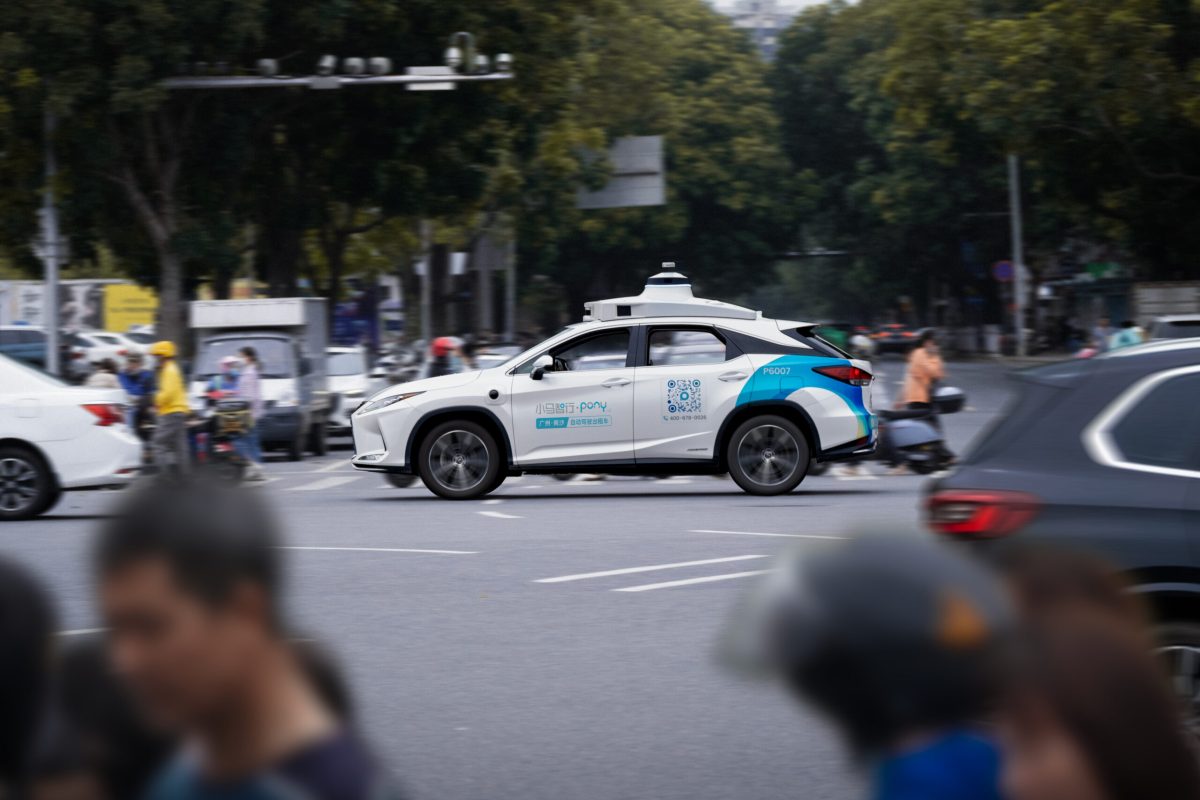
Here's the plot twist: Zagreb didn't wait for the bureaucrats to finish their paperwork. The Croatian capital had already launched Europe's first commercial robotaxi service on April 8, 2026, rolling out 10 autonomous taxis before the continental agreement was even signed. The operation is a collaboration between Uber, Chinese autonomous driving company Pony.ai, and Verne, a local Croatian startup. If you're curious enough, you can join their waitlist and become one of Europe's first riders in a driverless taxi.
But Zagreb isn't alone in the race. London is hosting three separate robotaxi trials in 2026 through Waymo, Wayve (partnering with Uber), and Apollo Go. Madrid will see WeRide and Uber's autonomous vehicles on its streets. Munich is welcoming self-driving taxis powered by Momenta. Luxembourg will host a trial from Stellantis and Pony.ai. Even Switzerland is joining in, with Apollo Go and Swiss Post launching a pilot program.
The Ambition and the Reality Check
According to industry analyst Herve de Treglode, both London and Madrid are genuinely prepared for driverless vehicles, and commercial services could arrive as early as 2027. But here's where things get thorny. Private companies want to focus on profitable city centers where demand is highest and money flows fastest. Local governments, meanwhile, would rather see autonomous vehicles improve transportation in neglected suburban and rural areas. It's a tension that will likely define how robotaxis roll out across Europe over the next few years.
The numbers paint a picture of explosive growth ahead. In 2025, only 8,000 robotaxis were on the road globally. By 2035, estimates range wildly depending on who's doing the counting. The International Energy Agency projects between 700,000 and 3 million autonomous taxis across 40 to 80 major cities worldwide. Boston Consulting Group is more conservative, estimating around 3 million vehicles by 2035, with roughly 850,000 in China alone. Goldman Sachs is bullish, projecting as many as 6 million vehicles. Even the conservative estimate would represent a 9,000% increase from today.
What does this mean for travelers? If you're planning a trip to Zagreb, London, Madrid, or Munich in the coming months, you might just catch the moment when Europe's transportation future arrives. Your next ride through a European city could be with no one at the wheel but everyone watching very carefully.