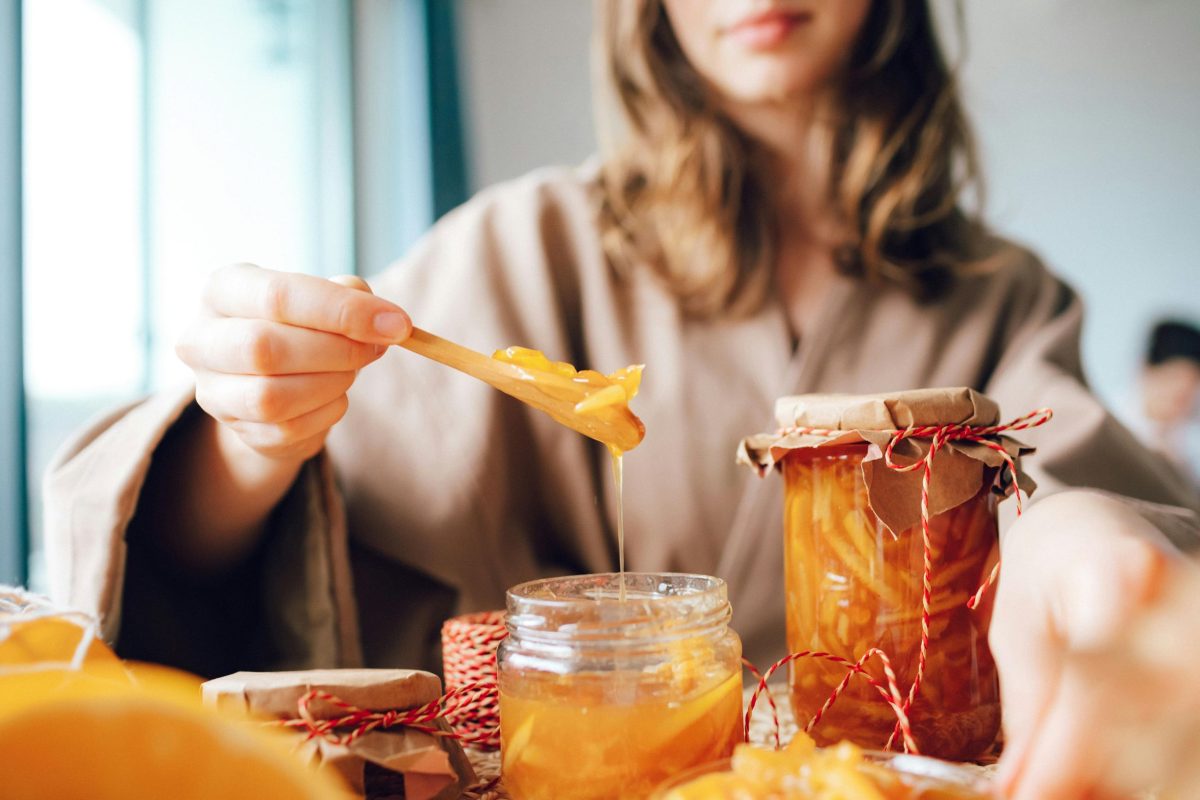
Your morning toast just became a small act of revolution. Beginning June 14, 2026, honey jars across the European Union will tell you something they've been hiding for years: exactly where your honey came from.
The EU's new honey labeling directive, formally known as the "Breakfast Directive," is straightforward on paper but explosive in practice. No more vague labels claiming "blend of EU honeys." No more mystery jars. Producers must now list every country of origin in descending order by percentage. It sounds technical. It's actually a response to an industry rife with fraud, undercutting, and deliberate deception.
The problem nobody wanted to talk about
Europe's honey market is quietly broken. The continent consumes roughly 153,000 tonnes annually, split almost equally between homegrown production and imports from outside the EU. That sounds balanced. It's not. Cheap imports, particularly from Asia and China, flood the market at prices that make European beekeeping economically unsustainable.
BeeLife, a network of European beekeeping associations, ran a jarring study called "From the Hives." Out of 320 samples tested, 146 failed. That's 46 percent. The dodgy practices ranged from adding sugar syrups and harvesting immature honey to aggressive over-filtering designed to mask degradation. Some imports arrive at European docks priced below €1.50 per kilogram, compared to European production costs hovering around €5.40 per kilogram.
For European beekeepers, the math is devastating. Between 2022 and 2024, their average production costs rose slightly while selling prices collapsed from €3.69/kg to €2.92/kg. They're being undercut by products that shouldn't legally exist.
Why a label matters more than you'd think
Labels feel like bureaucracy. In this case, they're enforcement. The directive, already piloted in Germany and now formally adopted across Belgium and the broader EU, strips away the opacity that enables fraud. When consumers see "100 percent China" or "70 percent India, 30 percent EU," they can make actual choices instead of assumptions.
Anna Ganapini, president of BeeLife, framed it perfectly: "Reading labelling and choosing a European honey is a militant act that helps support the sector." Buying honey from known European sources becomes a conscious choice, not blind luck. European honey tastes different. It has color, texture, and terroir shaped by specific regions and environmental conditions. But you can't appreciate what you don't know you're getting.
This matters for travelers too. If you're visiting rural France, Poland, or Hungary and spot local honey at a farmer's market, the new rules mean that jar you bring home will tell your friends exactly where it came from and why it costs more than supermarket versions.
What happens next
Shoppers across Europe will gradually begin seeing these transparent labels as existing stock sells through and new inventory arrives. Germany already implemented similar rules, and Belgium's legal amendments will bring the rest of the continent into alignment. It's not a perfect fix. As Etienne Bruneau of BeeLife noted, "This change will not solve all the challenges facing the market on its own." But it flips the default from opacity to transparency, and that matters.
The honey market was broken because consumers couldn't tell the difference between European craft and industrial imports. Now they can. Whether enough of them care enough to vote with their wallets remains to be seen. But at least the choice will finally be real.