For years, Europe and China were neck-and-neck in the electric vehicle race. Then something shifted. A new report from the European Federation for Transport and Environment reveals that the EU is now three years behind China in EV adoption, a gap that widened after weaker European carbon emissions standards took effect after 2022. But here's the encouraging part: experts believe Europe can close this distance before 2030 if it doubles down on the right policies and keeps funding its battery industry.
How Europe Fell Behind
The numbers tell the story. In 2020, Europe and China were trading blows in EV sales share. But as China ramped up production and deployment, Europe's regulatory foot came off the gas. Those softer emissions standards after 2022 meant less pressure on carmakers to go electric, and the continent started losing ground fast.
Now, stronger targets set for 2025 are already making a difference. The EU now manufactures 70 percent of the electric vehicles it sells, which is substantial. Still, that three-year gap remains a real challenge for Europe's ambitions to become a global leader in clean transportation technology.
Why This Matters Beyond Car Sales
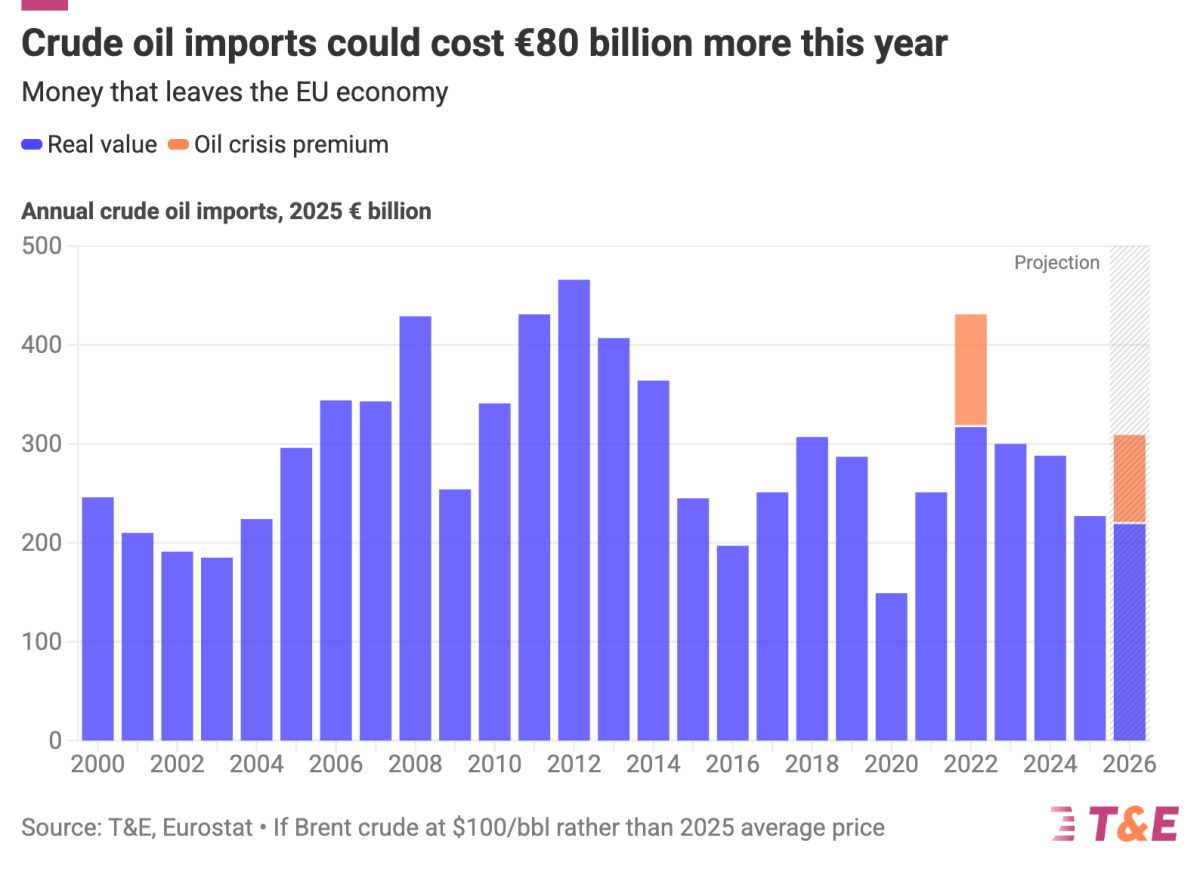
The EV race isn't just about bragging rights. It's tied to climate goals, job creation, energy independence, and even air quality. Countries with high EV adoption like Denmark and the Netherlands have seen dramatic cuts in vehicle carbon pollution. Eight million electric cars across Europe already prevented the consumption of around 46 million barrels of oil in 2025 alone.
With oil supplies shaky and prices spiking due to Middle East tensions, reducing Europe's reliance on imported petroleum isn't just good environmental policy. It's an economic security issue. EVs function as what some call a "super-lever" for energy independence.
The Policy Fight
This race has gotten political. The EU imposed tariffs up to 35.3 percent on Chinese EVs in 2024 after determining that unfair subsidies had distorted competition and threatened European manufacturers. By January 2026, the bloc shifted toward a minimum pricing strategy for major Chinese EV brands.
William Todts, Executive Director of the green campaign group behind the report, pushes back against the idea that Europe should weaken its car emissions rules to compete. "The regulation is not the problem," he argues. "It is what keeps Europe in the race to be a global leader in battery electric cars. We need to accelerate, not capitulate."
The argument cuts to the heart of a larger question: does Europe loosen environmental standards to compete faster, or does it maintain strict rules and trust that innovation will win the day? The data suggests the latter approach could work, provided Europe maintains the financing and policy consistency needed to grow its battery sector and hit its Green Deal targets.
What Travelers Should Know
If you're planning trips through Europe, the EV landscape is changing fast. The expansion of electric vehicle infrastructure means more charging stations, cleaner air in major cities, and a continent actively reinventing how people and goods move. Electric mobility innovations are spreading across the continent, reshaping not just cars but how entire transportation networks operate.
Europe's three-year lag behind China is real, but it's also closing. With stronger regulations now in place and ambitious targets ahead, the continent is betting that investing in its own clean tech industry will pay off. The next few years will show whether that bet is sound.