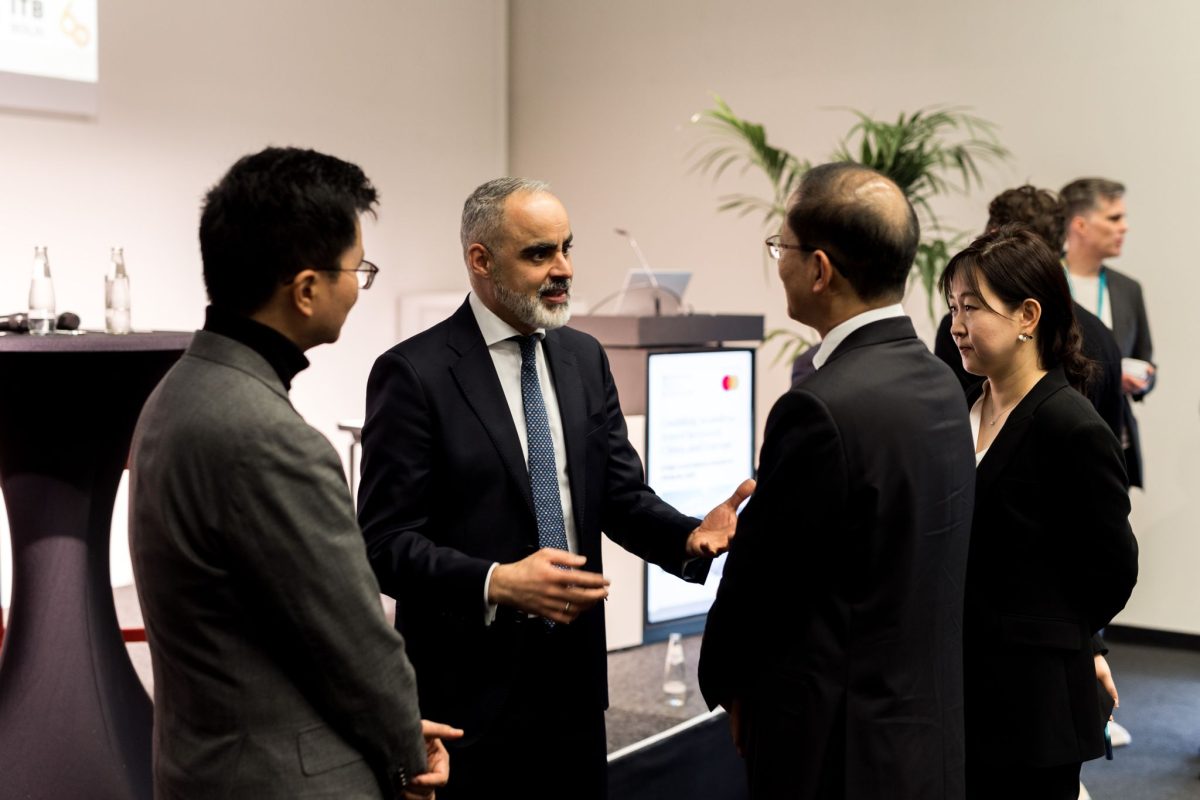
The conversation at ITB Berlin 2026 made one thing crystal clear: Europe wants to welcome Chinese travelers back, and it's willing to innovate to do it. Tourism bosses, financial leaders, and tech experts gathered to untangle a critical challenge: how to make the journey from China to Europe feel effortless for visitors who have become pickier, smarter, and increasingly selective about where they spend their money.
The numbers tell part of the story. Chinese tourists haven't fully returned to pre-pandemic levels, yet they remain among Europe's most valuable long-haul visitors. These aren't the kind of travelers who tick off a list of famous landmarks and leave. They stay longer, hop between multiple countries, and drop significant cash on accommodations, food, culture, and shopping. Bringing them back in force could reshape European tourism for years to come.
What Chinese Travelers Actually Want Now
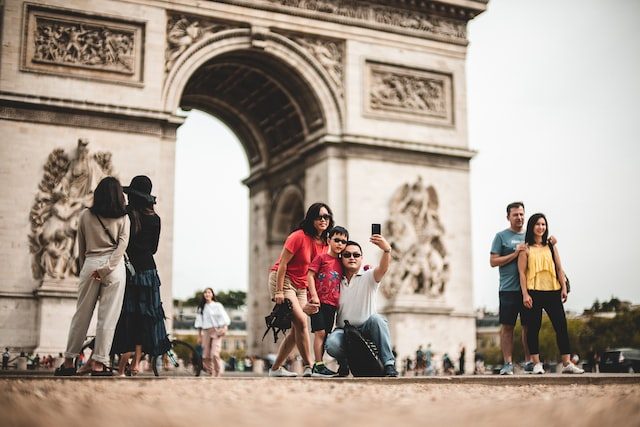
The old playbook is dead. According to Hao Zheng, Secretary-General of the World Tourism Alliance, today's Chinese visitors are hunting for something far more nuanced than guidebook highlights. They want neighborhood cafes instead of tourist traps, boutique hotels over resort chains, local markets where real people shop, and regional food that tells a story. The shift from tour-bus itineraries to self-directed discovery is reshaping what Europe needs to offer.
"Travelers today are no longer satisfied with simply ticking destinations off a list," Zheng explained. They crave authenticity, depth, and moments that feel genuinely theirs. This preference is pushing European destinations to think differently about how they present themselves. It's not just about the Eiffel Tower anymore. It's about the hidden wine bars in Lyon, the street food scenes in Barcelona, and the local art galleries tucked into Amsterdam's side streets.
Making Money Across Borders Feel Simple
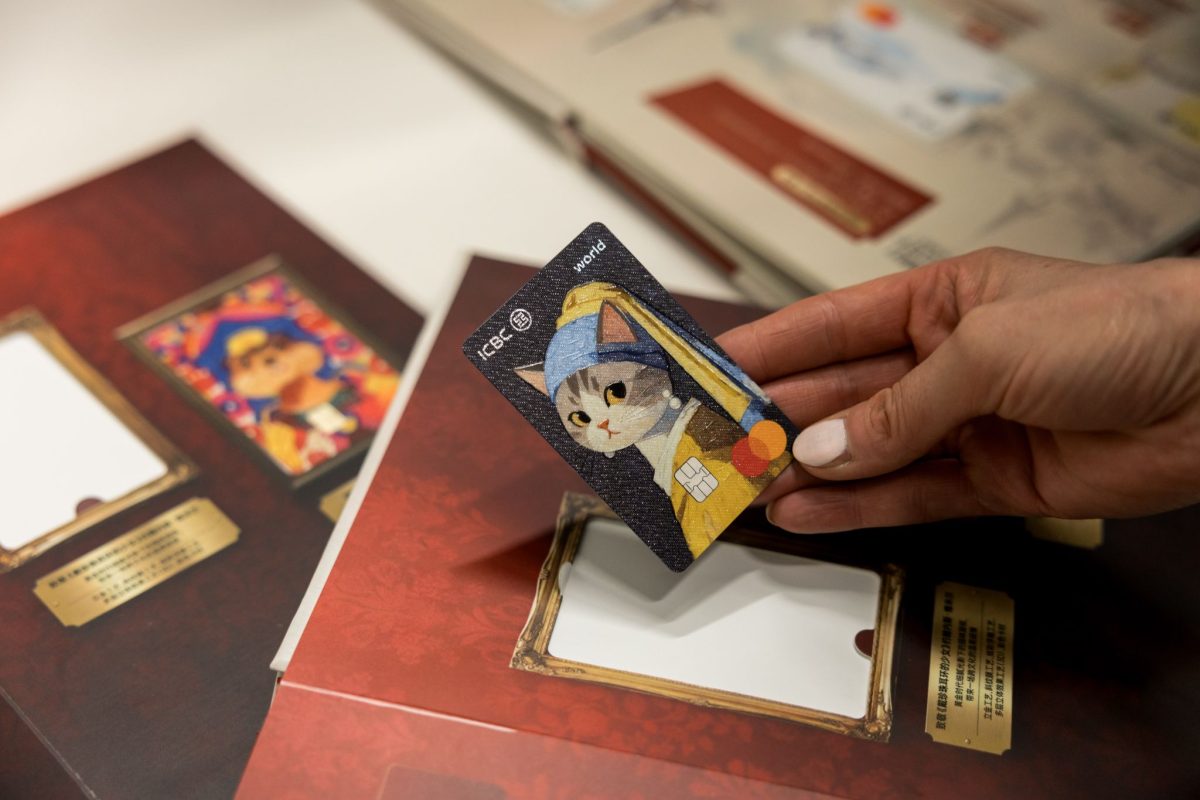
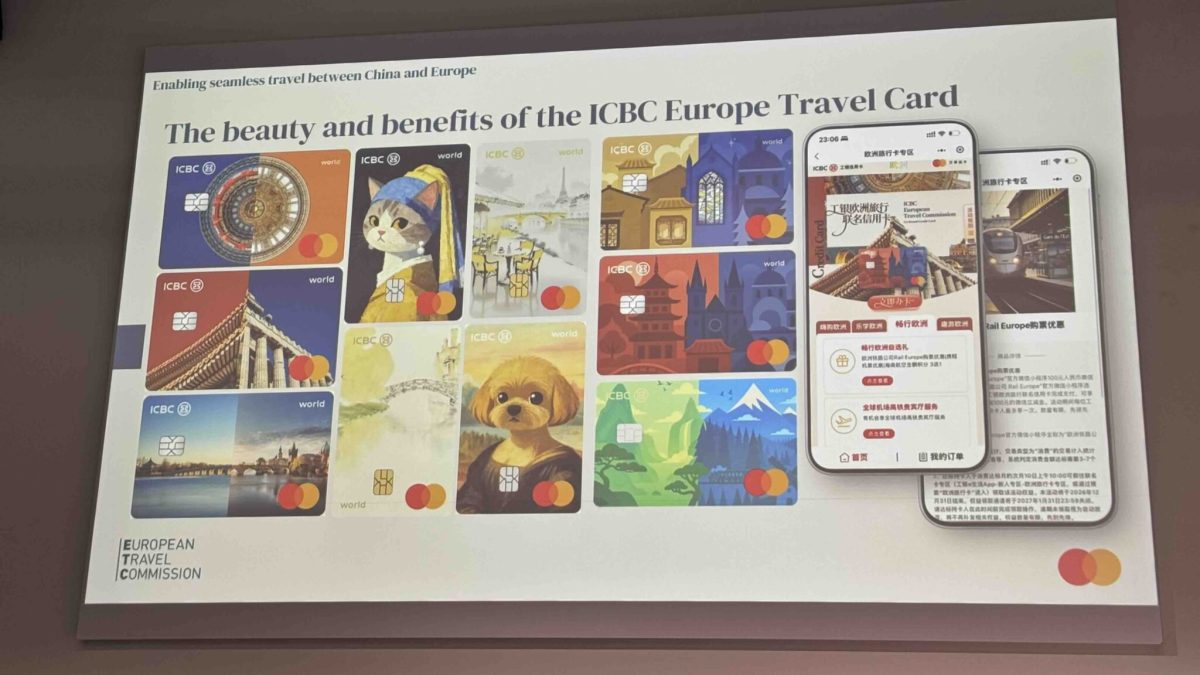
One major friction point for any traveler is figuring out how to pay for things across borders. The European Travel Commission and Mastercard just unveiled a solution: the ICBC European Travel Co-branded Credit Card, built with the Industrial and Commercial Bank of China. The card is designed specifically for Chinese visitors navigating European payment systems, offering security and wide acceptance across the continent.
"When people travel, they do not just cross borders," said Solveig Honoré Hatton, Senior Vice President for Public Sector Europe at Mastercard. "They bring culture, curiosity and commerce with them." By removing the payment headache, Europe removes one more reason for Chinese travelers to hesitate. The easier the logistics, the more likely people are to extend their trips or return for repeat visits.
Visa Rules Just Got More Generous
Timing matters. China recently announced that citizens of most European countries can now visit visa-free for up to 30 days, a policy extended through the end of 2026. This isn't accidental. Beijing is actively trying to revive international tourism post-pandemic, and the numbers are already climbing. Visa-free arrivals into China doubled in 2024 compared to 2023, surpassing 20 million visitors. By removing friction on both sides of the equation, Europe and China are essentially opening a two-way door.
Eduardo Santander, CEO of the European Travel Commission, framed it simply: Europe's job is to "inspire travellers, make travel across Europe effortless and ensure the experience is one they want to repeat." That means not just rolling out the red carpet, but building infrastructure and partnerships that let independent travelers navigate the continent with confidence.
A Corridor Worth Watching
The Sino-European tourism corridor is shaping up to be one of the most significant travel routes in the coming years. It's not just about individual trips anymore. Tourism organizations, financial institutions, and destinations are starting to collaborate in ways they haven't before. Hotels are rethinking their guest experiences. Cities are reconsidering which cultural assets they promote. Payment systems are being redesigned from the ground up.
For travelers planning European trips, this shift means more options for authentic exploration, better payment infrastructure, and fewer bureaucratic obstacles. For those considering visits from China, the message is loud: Europe is actively working to make your trip smoother, safer, and more memorable. The industry is banking on the idea that once these barriers fall away, both Chinese travelers and European destinations will benefit enormously.