England is on the verge of a major shift in how it funds tourism. The government has signaled it will allow mayors across the country to impose levies on overnight stays, a move that could see visitors paying extra for hotels, B&Bs, guesthouses, and short-term rentals. The earliest these charges could appear is 2029, but the debate is already heating up.
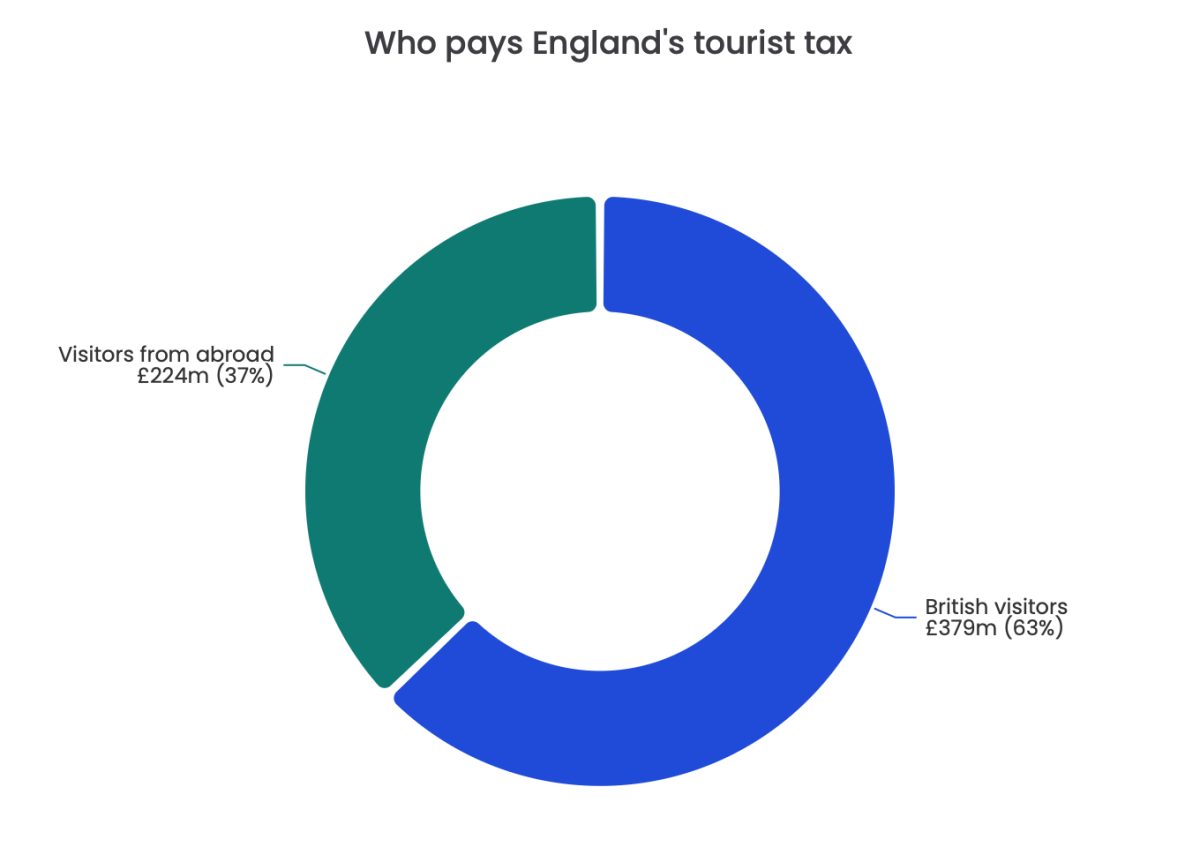
The proposal gives local leaders the power to set their own tax rate, with no cap on the amount. Analysts predict most will land around five percent or less of the accommodation cost. That means a £100 room could cost you an extra £5. The fee would apply to every guest, regardless of nationality, so domestic travelers will feel it too.
Supporters, including London Mayor Sadiq Khan, argue the tax is a way to reinvest in the places travelers love. Khan has framed it as a tool to fund infrastructure, culture, and experiences while managing the pressures of welcoming tens of millions of visitors each year. Cities like Liverpool and Manchester have already introduced similar charges, and Edinburgh in Scotland has done the same, as covered in our piece on Edinburgh's visitor levy.
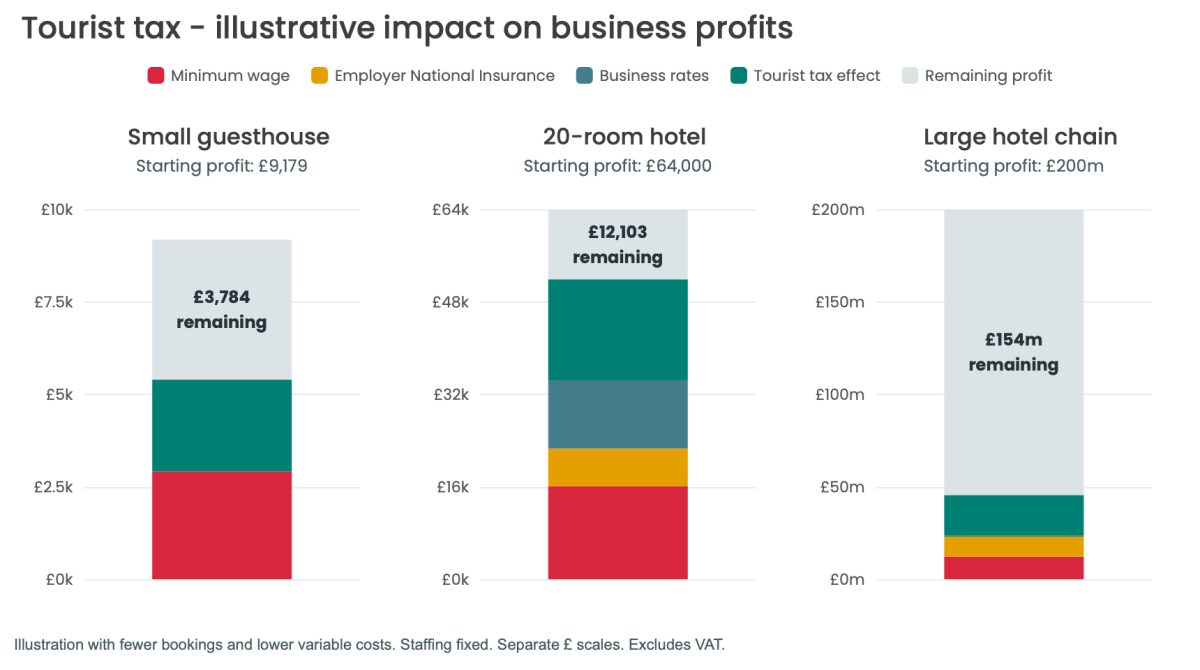
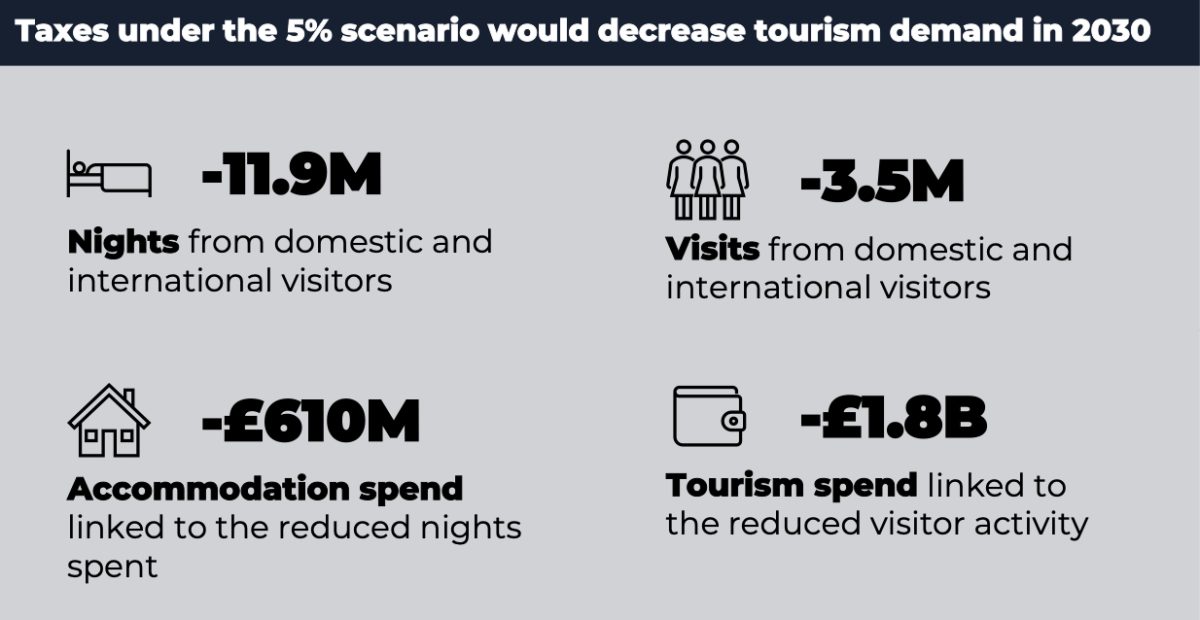
But not everyone is convinced. Trade bodies and analysts warn the tax could backfire. Tax Policy Associates estimates it could raise between £494 million and £977 million annually, but also points to potential losses of up to £1.55 billion if fewer people visit or spend less. UKHospitality projects a five percent charge could lead to 11.9 million fewer visitor nights and a £1.8 billion drop in tourism spending by 2030, putting nearly 33,000 jobs at risk.
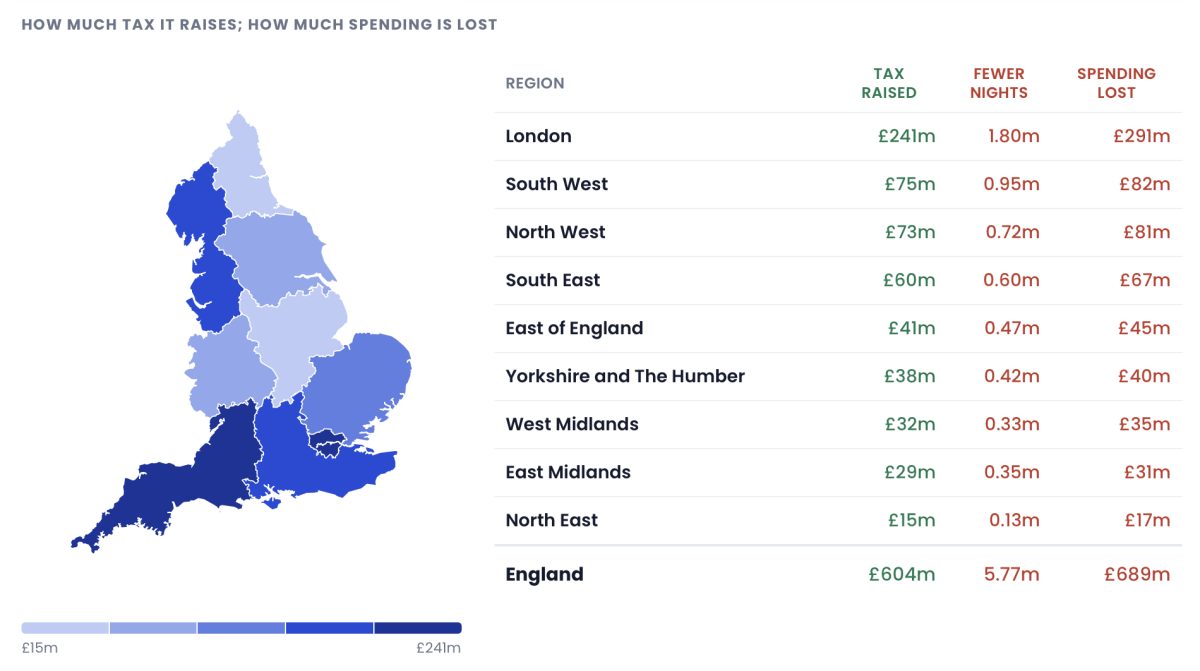
The fear is that travelers will simply choose cheaper destinations. A World Travel & Tourism Council survey found that 29 percent of visitors from the US, France, and Germany would reconsider a trip if faced with a €10 fee. For domestic tourists, the number jumps to 39 percent. That's a significant chunk of the market, and it's why critics call the tax a deterrent.
Yet visitor taxes are hardly new. The Balearic Islands, Barcelona, Venice, and Japan all charge tourists extra, often to manage overtourism and fund local services. The idea is spreading, and England wants in. The question is whether it can strike a balance between raising revenue and keeping the welcome mat out.
If you're planning a trip to England, keep an eye on the news. The tax won't hit until 2029 at the earliest, but it's worth factoring into future budgets. For now, you can still enjoy England's highlights without the extra fee. And if you're looking for fresh adventures, check out the new 120-mile trail across England's dramatic North Country or the wild history park with flying birds and medieval knights.
As the debate continues, one thing is clear: the cost of visiting England is about to change. Whether that's a good thing depends on who you ask. For travelers, it's another reason to plan ahead and stay flexible.