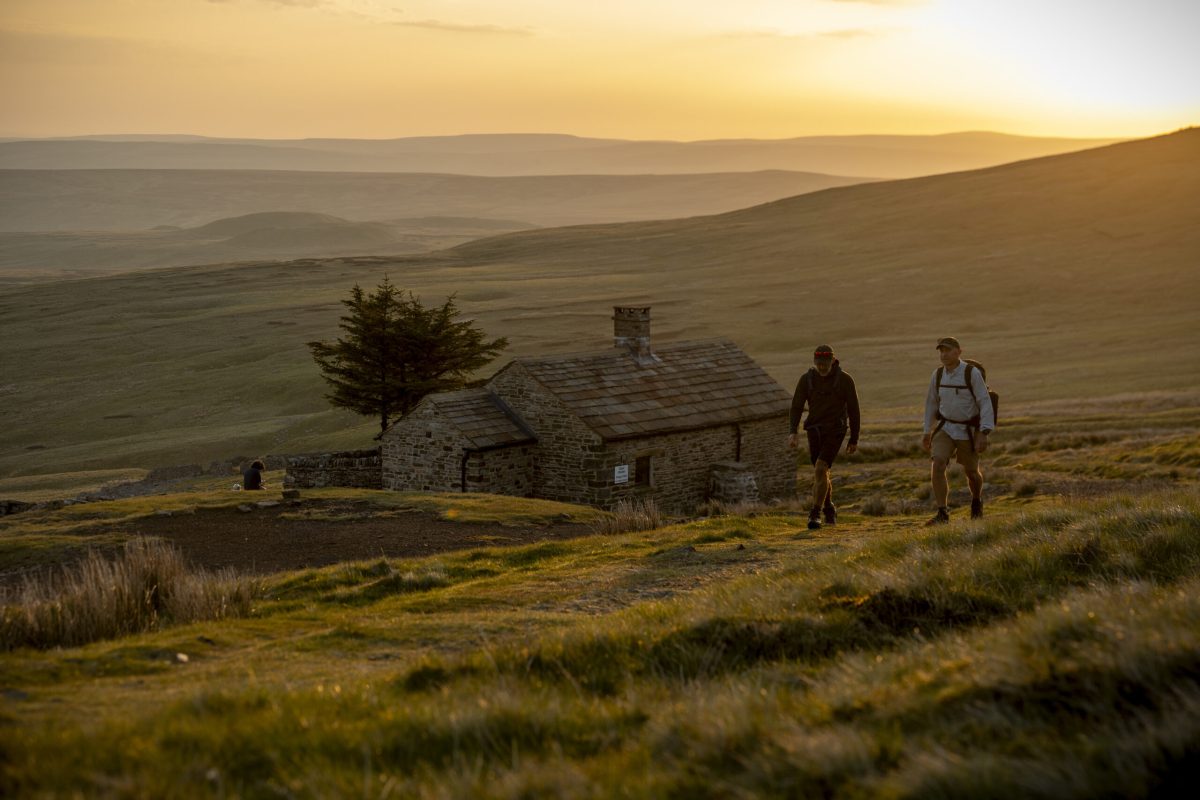
Picture this: you're standing in Alston, England's highest market town, about to embark on a walking adventure that will carry you through windswept fells, deep valleys, and lakeside paths before depositing you at the ruined walls of a medieval abbey on the coast. This is the Westmorland and Furness Way, and it just became one of the UK's most exciting new long-distance trails.
Launching officially on September 15, 2024, this 120-mile (193 km) route stitches together some of northern England's most varied and spectacular scenery. Local walker and guidebook writer David Pitt conceived the idea, and Westmorland and Furness Council transformed it into a fully signed trail complete with interpretation boards along the way. The route weaves through the North Pennines National Landscape, cuts across the Yorkshire Dales National Park, passes through the Lake District, and finishes at the Furness coast near Morecambe Bay.
Breaking It Into Walkable Chunks
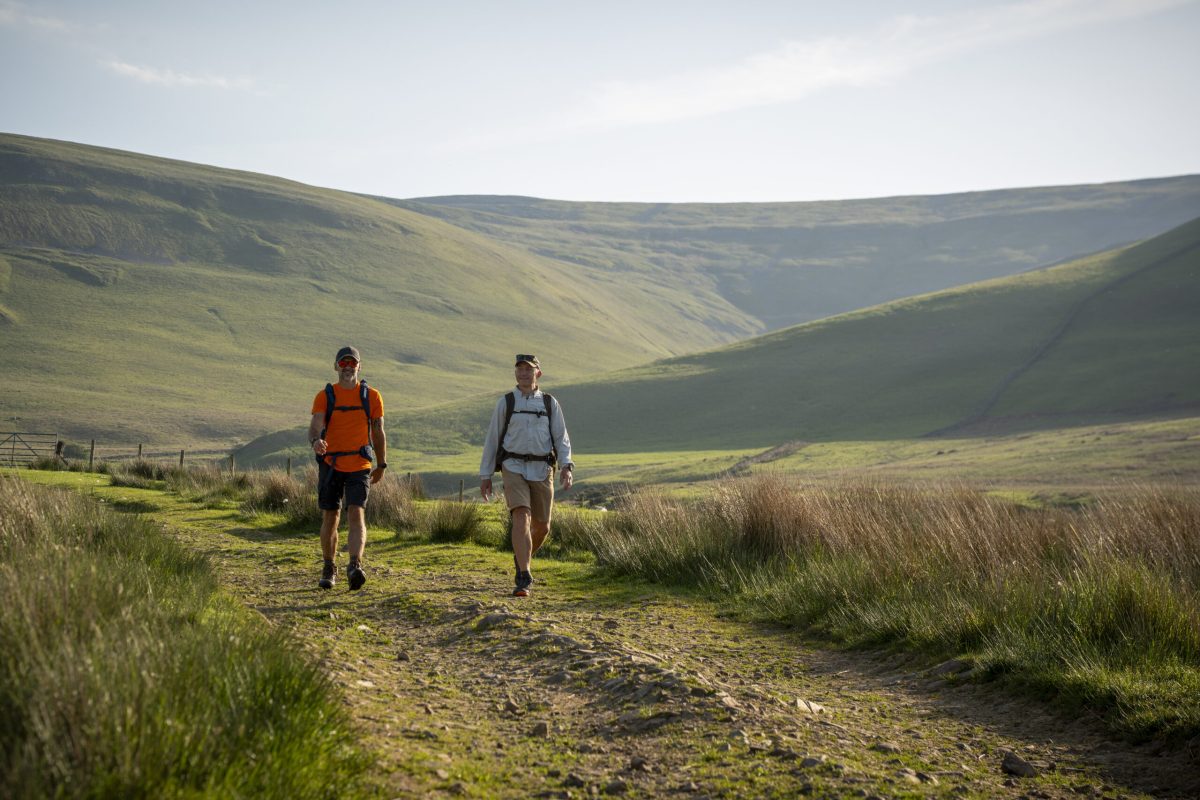
The beauty of this trail is flexibility. The route divides into six sections, so you can walk individual stretches as day trips, string together a weekend expedition, or commit to the full journey over 8 to 17 days depending on your pace and the weather.
- Stage 1 (Alston to Milburn): 16 miles in one to two days, starting from that highest market town
- Stage 2 (Milburn to Kirkby Stephen): 23 miles following the Eden Valley
- Stage 3 (Kirkby Stephen to Sedbergh): Traces the Yorkshire Dales and Howgills
- Stage 4 (Sedbergh to Bowness): The longest stretch at 27 miles, pushing toward Lake Windermere and the Lake District proper
- Stage 5 (Bowness to Ulverston): Coastal transitions begin here
- Stage 6 (Ulverston to Furness Abbey): A 17-mile finale along the Furness Peninsula
What You'll See Along the Way
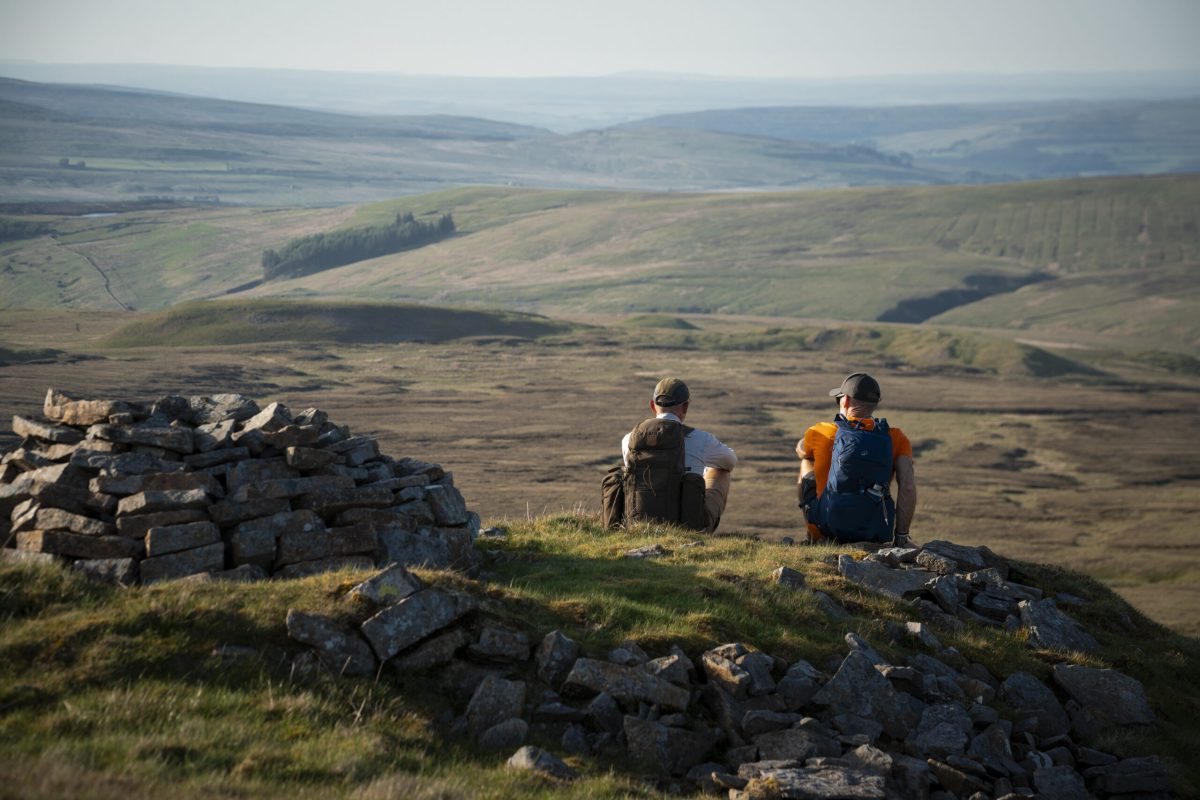
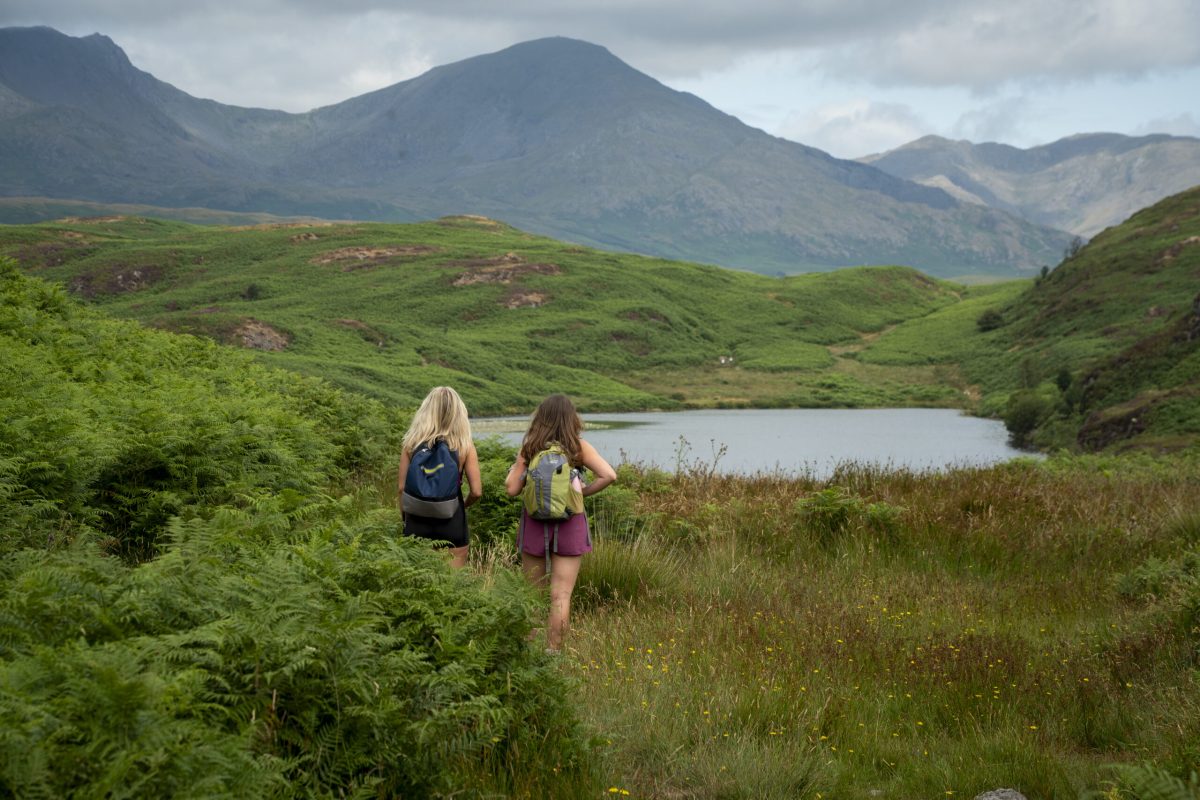
This isn't a trail that repeats itself. Walkers encounter everything from bleak, open moorland and high fells to pastoral rolling countryside dotted with farms and villages. Rivers cut through sections, woodlands offer shelter, and the coastal legs provide their own kind of drama as you approach the Irish Sea.
Beyond pure scenery, the route celebrates the area's human layers. You'll pass evidence of mining operations, historic mills, and boat-building traditions that shaped communities for centuries. New interpretation boards installed along the trail tell these stories, turning your walk into something more than exercise. It's archaeology you move through rather than observe from behind glass.
Think of this as similar in spirit to walking 1,500 km through Italy following a saint's path, where the landscape itself becomes a narrative vehicle. You're not just covering distance; you're reading the region's biography with your feet.
Getting Practical Support
The council introduced a Walker's Passport scheme to make the experience even better. Designated stamping points at participating businesses along the route let you mark your progress while supporting local pubs, cafes, shops, and charities. It's a clever system that turns solo walkers into ambassadors for small towns that depend on visitor spending.
The route officially debuts as part of the Sedbergh Walking and Wellbeing Festival (September 14-20, 2024), so if you time your first section carefully, you could join organized events and connect with other walkers starting their adventures.
Why This Matters Now
Long-distance walking trails have become the antidote to rushed tourism. Rather than tick off attractions, you inhabit a place at walking pace. You notice the light changing on stone walls, smell the damp earth after rain, and actually meet people in the villages where you stop for lunch. The Westmorland and Furness Way channels this philosophy across terrain that ranges from working agricultural land to wilderness.
The route was deliberately designed to use existing trails wherever possible, meaning it integrates into the landscape rather than cutting new scars through it. That respect for the environment, combined with the economic benefits visitors bring to rural communities, makes this the kind of development that benefits everyone involved.
If you're planning a UK walking trip this autumn or next spring, the Westmorland and Furness Way deserves serious consideration. You'll get everything that makes British fell walking addictive: dramatic topography, moody weather, excellent pubs, and the satisfaction of moving through genuinely remote territory while staying minutes from civilization.