Picture this: thousands of penguin chicks plunging through cracking ice into freezing water, unable to swim, unable to survive. This isn't a worst-case scenario from a climate scientist's report. It's happening right now across Antarctica, and it just triggered an official extinction alert.
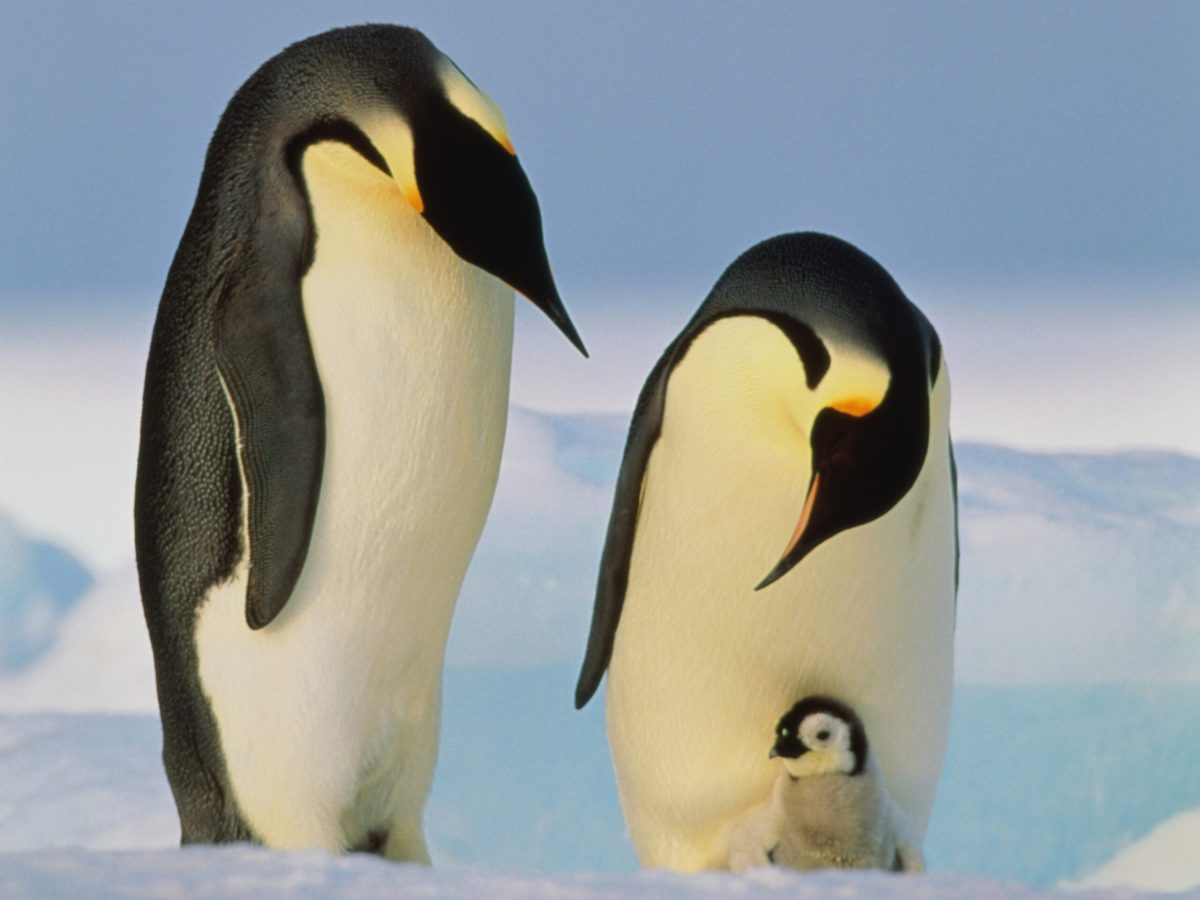
The International Union for Conservation of Nature has reclassified the emperor penguin from "near threatened" to "endangered," jumping two full categories on the extinction risk scale. That jump signals something terrifying. These creatures, the largest penguin species on Earth, are approaching a point of no return.
Why Ice Matters More Than You'd Think
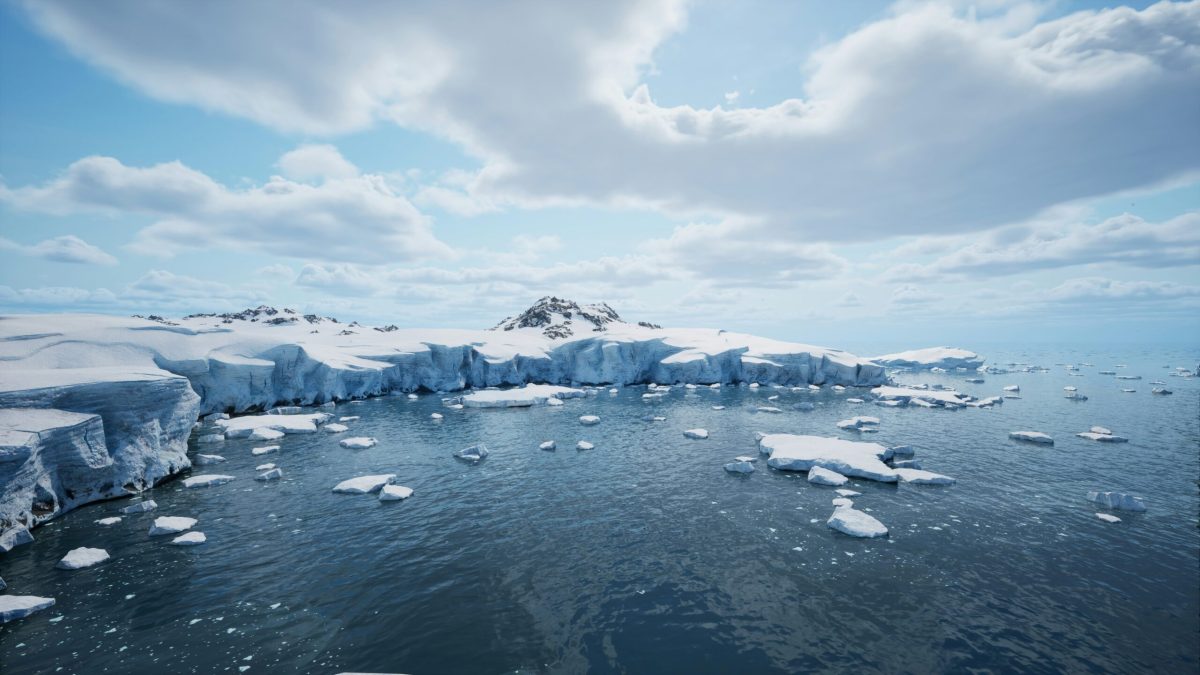
Emperor penguins don't just live on ice. They depend on it entirely. Fast ice, the kind frozen solid to the Antarctic coast for most of the year, acts as a nursery. Chicks hatch on this ice and grow there for nine months, gradually developing waterproof feathers before entering the ocean. Adults use the same ice during molting season, when they shed their old feathers and wait for new ones to grow in. Without solid ice beneath them during this vulnerable period, they're helpless.
For decades, this arrangement worked. Then global heating began unraveling it.
The Collapse Is Accelerating
Since 2016, Antarctic sea ice has become thinner, more fragile, and prone to breaking up far earlier than historical patterns. In 2022, four of the five known emperor penguin breeding colonies in the Bellingshausen Sea vanished entirely. Thousands of chicks drowned or froze. The same disaster struck a major Weddell Sea colony back in 2016. Scientists estimate the total population fell between 10 and 22 percent from 2009 to 2018, leaving roughly 595,000 adults.
The projections are worse. The IUCN predicts the emperor penguin population will halve by the 2080s if current warming trends continue. Some breeding sites could disappear entirely within decades.
Dr. Philip Trathan, a marine ecologist who studies these birds, put it plainly: "Human-induced climate change poses the most significant threat." He's right. There's no natural explanation for this collapse. Ice isn't breaking up earlier because of ocean currents shifting. It's breaking up because the planet is warming, and Antarctica, despite its reputation as a frozen fortress, isn't immune to that heat.
A Canary in the Coal Mine
Emperor penguins matter beyond just conservation statistics. They're what scientists call a sentinel species, an animal whose health reveals the health of an entire ecosystem. When emperor penguins start drowning en masse, it's not just a penguin problem. It's a signal that the Antarctic system itself is destabilizing.
They're not alone in this crisis. Antarctic fur seals have seen their population plummet from 2.2 million in 1999 to just 944,000 today. Other Antarctic species face similar threats. The ice that sustains an entire food web is disappearing, and everything that depends on it is scrambling to adapt or perish.
Martin Harper, chief executive of BirdLife International, which coordinated the IUCN assessment, was blunt about what this means: "The emperor penguin's move to endangered is a stark warning: climate change is accelerating the extinction crisis before our eyes. Governments must act now to urgently decarbonise our economies."
What This Means for Travelers
If you've dreamed of seeing emperor penguins in their natural habitat, the window is closing. Antarctica tourism is carefully regulated, limited to a handful of expedition cruises that follow strict environmental protocols. Few travelers ever witness these birds in the wild, which makes the few who do extraordinarily lucky. That luck may not last much longer.
The larger lesson applies everywhere. Fragile environments don't bounce back quickly, and sometimes they don't bounce back at all. The changes happening in Antarctica right now will ripple through global climate systems for generations. The emperor penguin crisis isn't just about losing an iconic species, though that matters. It's about recognizing that when one ecosystem starts failing, we're all downstream of the consequences.