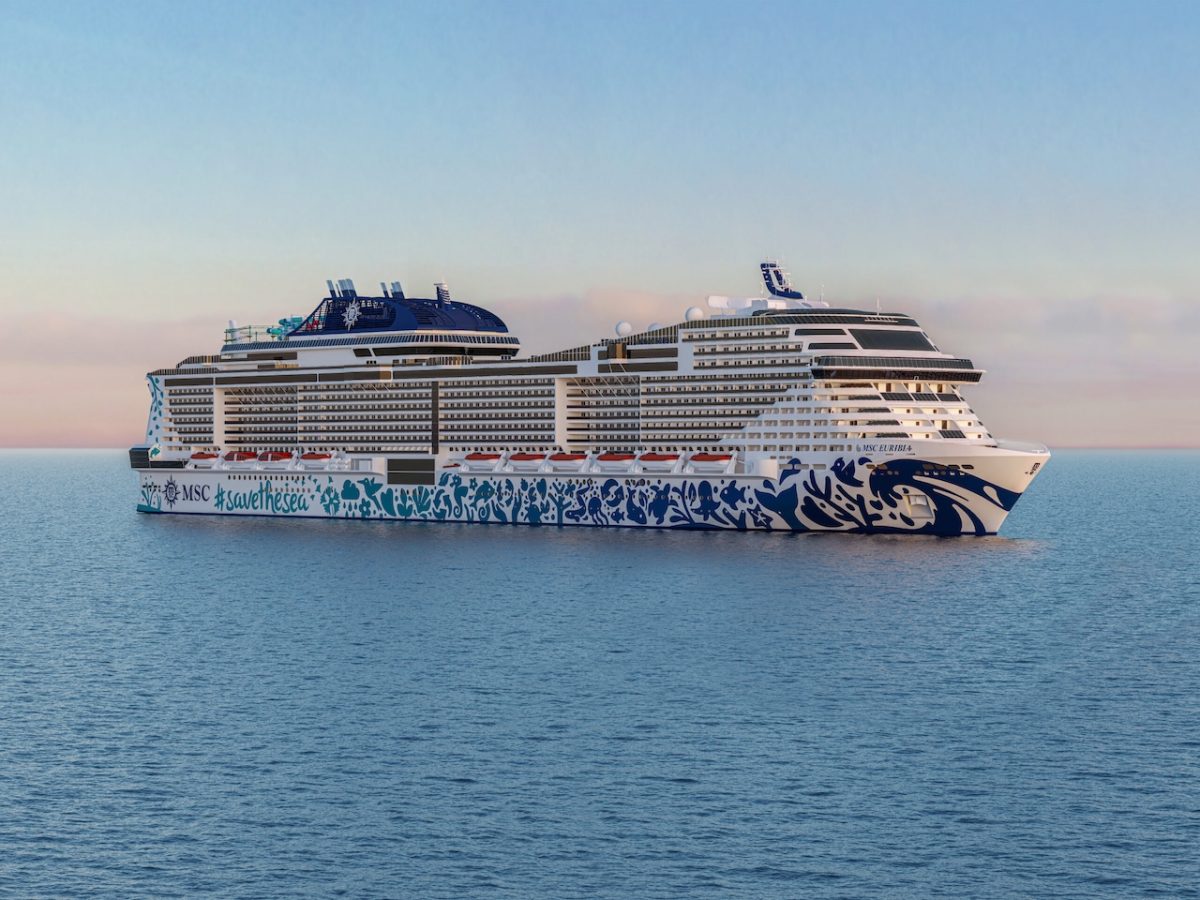
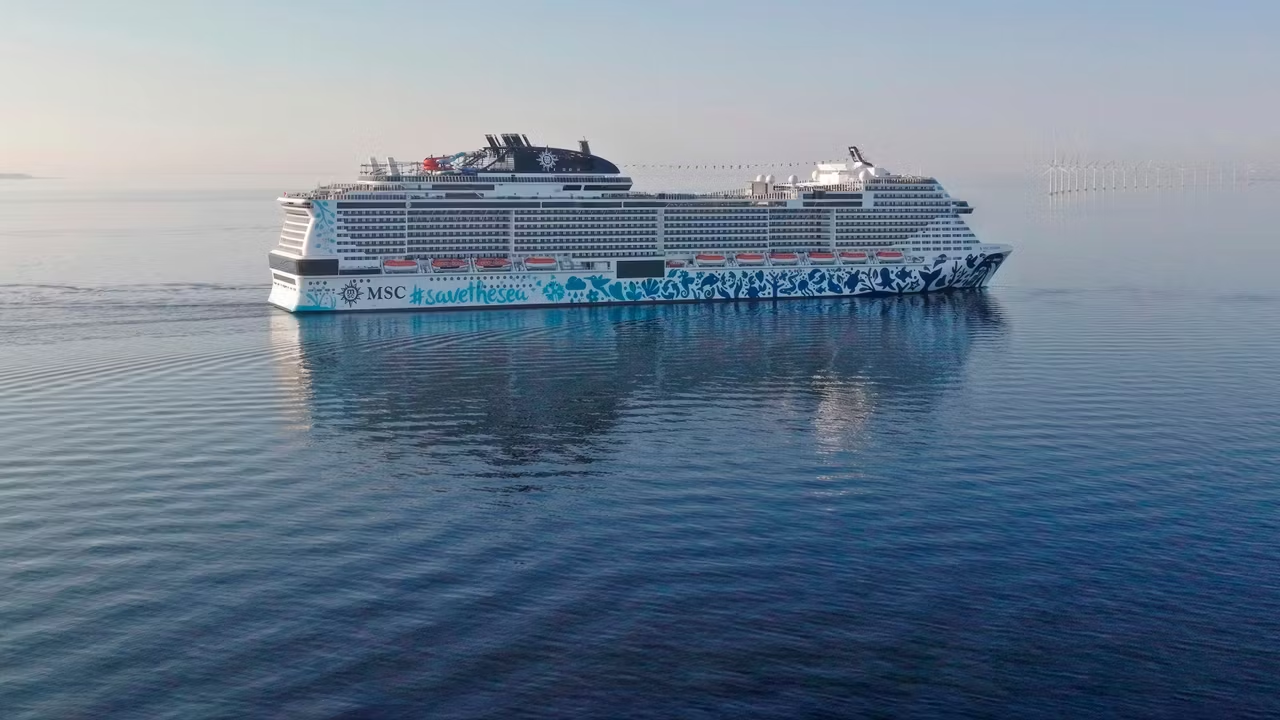
The MSC Euribia, a modern cruise ship currently anchored in Dubai's port, won't be sailing anywhere anytime soon. MSC Cruises has just cancelled all remaining winter departures from the Persian Gulf, wiping out five sailings across February and March 2026. The decision reflects just how seriously the cruise industry is taking the security situation unfolding across the region.
In a letter to affected passengers, the cruise line was direct about its reasoning: "Your safety and wellbeing are always our highest priority." That phrasing might sound corporate, but it points to a real problem. The MSC Euribia has been stuck in Dubai since tensions escalated, and while conditions on board remain stable, the company doesn't see a clear path to resume normal operations in the Gulf.
Life on Hold in Dubai
For the passengers currently aboard the ship, it's a peculiar limbo. They're not in danger, exactly, but they're also not going anywhere. MSC has kept the ship fully operational, meaning guests can still access restaurants, bars, entertainment venues, and pools while the company coordinates flights home. The crew remains calm, and onboard services continue without interruption. Think of it as an unexpected, albeit involuntary, extended stay at sea.
The original itinerary was ambitious. These seven-night cruises were meant to showcase the Gulf's highlights: Abu Dhabi's skyline, Doha's museums and markets, Bahrain's heritage sites, and Sir Bani Yas Island, MSC's private resort in the UAE. For travelers who booked these sailings months ago, it's a stunning disappointment.
The Bigger Picture for Middle East Travel
The MSC cancellations aren't happening in isolation. Airspace closures across multiple countries have thrown regional aviation into chaos. Major carriers like Emirates, Etihad, and flydubai have resumed only a handful of flights, prioritizing the evacuation of stranded passengers over normal scheduling. Hundreds of thousands of travelers remain caught in the disruption, waiting for flights that are materializing slowly and methodically rather than quickly.
Airlines themselves have been cautious about ramping up service too fast. The sheer backlog means they're advancing cautiously, adding routes and flights in measured increments. MSC Cruises is working with airlines to repatriate its guests, but as the company acknowledged in statements, this process will take weeks, not days.
Money Back, But Not the Full Story
Here's the practical bit: passengers booked on the cancelled cruises will get full refunds from MSC Cruises for their cruise fares. That's the good news. The catch is that anything booked separately, like flights to Dubai or hotel stays before embarkation, falls outside the cruise line's responsibility. Travelers need to contact their airlines, hotel chains, and travel agents directly to sort out those costs. In a disruption this large, some travel insurance policies might cover those losses, so checking your policy is worth the effort.
TUI Cruises, a German operator, is in the same boat. The company has cancelled multiple Middle East sailings on its Mein Schiff 4 and Mein Schiff 5 vessels for identical security reasons.
Summer Plans Are Still On Track
If you were dreaming of cruising the Norwegian fjords this summer, take comfort: the MSC Euribia's European season appears untouched. The ship is scheduled to depart from Kiel, Germany on May 2, 2026, launching a series of week-long voyages through Geiranger, Ålesund, Hellesylt, and Flåm. In autumn, it'll reposition to Barcelona for Mediterranean cruises. Those sailings are currently operating as planned.
What's revealing is what comes next. The MSC Euribia isn't scheduled to return to the Middle East until at least the end of 2027. That gap speaks volumes about how uncertain the cruise industry's outlook is for Gulf operations. Whether conditions improve by then remains an open question.
What This Means Going Forward
For travelers considering Middle East cruises or flights through the region, the situation is a stark reminder that geopolitics and travel plans don't always align. The airlines and cruise lines are watching conditions closely and acting conservatively. That's probably the right call, but it does mean that anyone with bookings in the region should stay in close contact with their travel providers and monitor official travel advisories from their government.
The good news is that the machinery for getting people home is working, even if it's moving slower than everyone would like. MSC Cruises has coordinated with embassies and foreign ministries to track its guests and arrange repatriation. It's not glamorous, and it's certainly not the vacation anyone paid for, but it's a network of support that matters when travel plans fall apart.