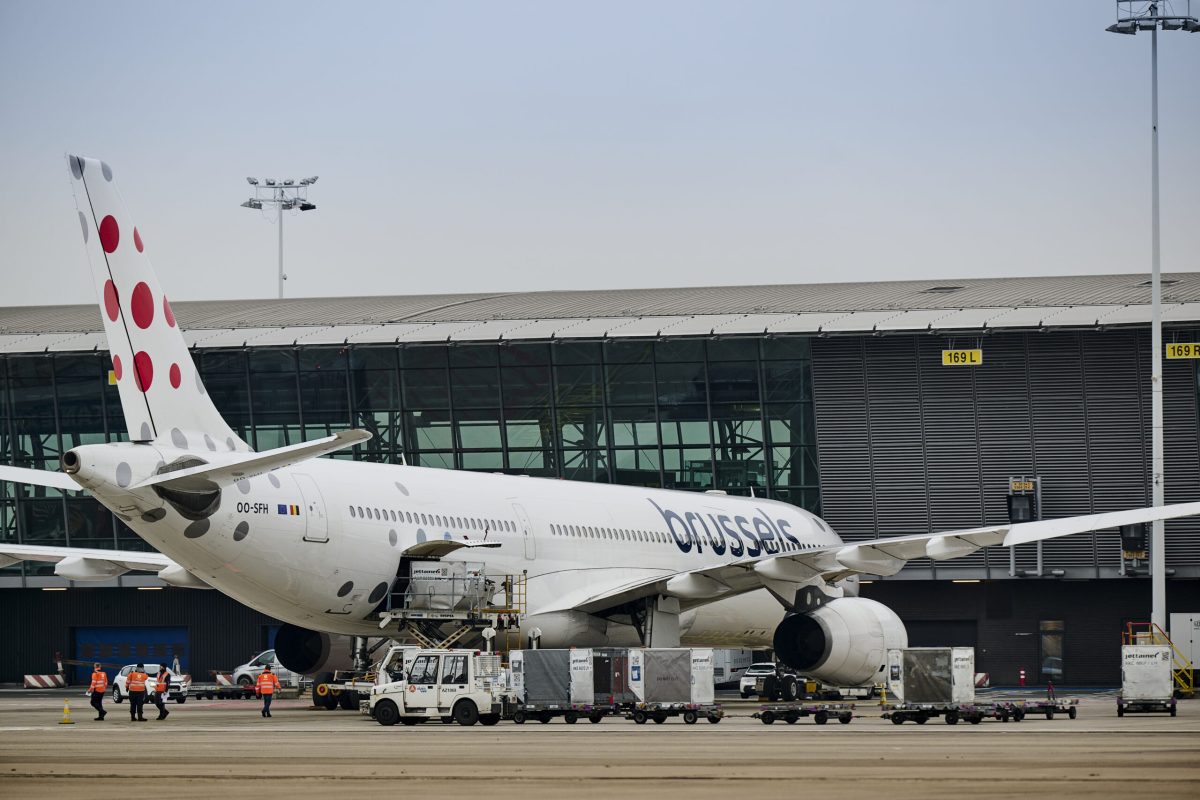
Most eclipse chasers scan weather forecasts and cross their fingers. But on August 12, 2026, about 100 lucky travelers will skip the guesswork entirely and watch the moon devour 96% of the sun from 35,000 feet, cruising over France aboard a Brussels Airlines Airbus A320.
This isn't your average flight experience. The airline partnered with Urania Public Observatory, the University of Antwerp, and Vrije Universiteit Brussel to orchestrate something most people never get to see. The eclipse will reach maximum at 8:21 pm, and passengers won't rely on decent weather or a clear horizon. Flying above the clouds almost guarantees an uninterrupted view of what astronomers call a "deep partial eclipse" , rare enough that Brussels Airlines notes a similar eclipse flight from Belgium won't be possible again until 2090.
Why This Eclipse Is Worth the Ticket
Watching the same eclipse from Belgium's ground would be frustrating. The sun will hang so low on the horizon that clouds, haze, or poor weather could block the whole event. Flying higher changes everything. From the aircraft, passengers will witness the moon's shadow sweeping across the landscape below as a dark band, an effect that kicks in around 90% obscuration. The special eclipse glasses and expert guides from Urania will help travelers understand what they're seeing in real time.
The flight departs Brussels Airport at 7:20 pm and returns by 9:20 pm, making it a compact two-hour journey. Those empty aisle seats aren't a coincidence either. The organizers kept them vacant specifically to ensure every passenger gets an unobstructed window seat view. At just 100 available spots, this feels less like a typical charter and more like a scientific expedition with great views.
Scientists Will Be Watching Too
This isn't purely a tourism venture. Researchers from both universities will measure atmospheric changes during the eclipse, tracking light intensity, temperature shifts, and the distinctive blue-green twilight effect that emerges as the moon blocks sunlight. Prof. Dr Katrien Kolenberg and Prof. Dr Valéry Ann Jacobs are supervising the research, which will run parallel to ground measurements in Spain. The comparison will reveal how those roughly 11 kilometers of atmosphere between the plane and Earth's surface actually influence what observers see.
Before You Board
Passengers get more than just a flight. The €299 ticket includes a preparation evening at Urania's observatory in Hove on August 8, where experts explain how eclipses work and walk through the flight program. A planetarium show rounds out the experience, so you'll understand exactly what's happening above the clouds before it happens.
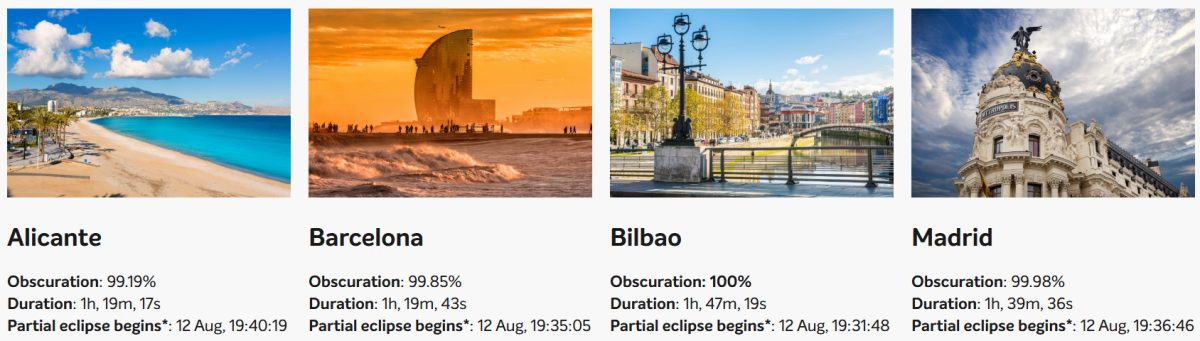
Those interested in staying earthbound have solid alternatives. Brussels Airlines has mapped out destinations across Spain, France, and Portugal where eclipse coverage reaches 97% to 100%. Bilbao, Valencia, and Palma de Mallorca will experience total obscuration. Madrid hits 99.98%, Barcelona reaches 99.85%, and cities like Toulouse and Porto offer excellent conditions. Some regular Brussels Airlines flights over northern Spain might offer views too, though weather and flight paths will play a role.
Why This Moment Matters
Eclipse events don't happen often, and opportunities to chase them from the air are vanishingly rare. August 2026 will draw eclipse enthusiasts from across Europe to southern destinations, turning the event into one of the continent's biggest astronomical happenings in years. Whether you're booking the exclusive flight or planning a ground trip to Spain, this eclipse promises to be unforgettable.
Travel planning for major celestial events often means securing flights early. If you're considering the scenic route through Europe, you might compare options like other European flight deals to get to Spain or Portugal on time. For those basing themselves in Brussels before the eclipse, the airport continues expanding its role as a major European hub, making connections easier than ever.