Mark your calendar for August 12, 2026. A total solar eclipse will sweep across parts of the Arctic, Greenland, Iceland, Portugal, and Spain, transforming day into twilight. In Reykjavik, the show begins at 4:47 pm; by 8:35 pm, the moon's shadow will have raced across to Spain. Already, travel companies are organizing special flights and cruises, and hotels in western Iceland and eastern Spain are bracing for crowds.
Everyone will have their phone up. Most will walk away with blurry regrets and a damaged camera sensor. But you don't have to be one of them.
Your Gear Needs Armor, Too
You probably already know that staring directly at the sun will wreck your eyes. What many people miss is that your camera sensor is even more vulnerable than your retinas. Point an unprotected lens at the sun, even briefly, and you risk permanent damage: dead pixels, burned-out sensors, or worse. This is especially true during the lead-up to totality, when the sun is only partially blocked.
If you're shooting with a smartphone, hold an ISO 12312-2 compliant solar viewer (those are the proper eclipse glasses) directly in front of your lens. Using a dedicated camera? Invest in a special solar lens filter that meets the same international standard. NASA's guidelines are clear on this: protection first, picture second.
There's one exception. Once totality arrives and the moon completely obscures the sun, remove your filter immediately. That's your window to photograph the corona, the sun's ethereal outer atmosphere. Those few minutes are the only safe time to shoot without protection, so plan your shots accordingly.
Know Your Equipment Before the Sun Sets
The fanciest camera on Earth won't help if you're fumbling with manual settings in the dark. Whether you're bringing a professional DSLR or relying on your phone, spend time with your gear beforehand. If you own a complex camera but haven't mastered it, grab your phone instead. Modern smartphone cameras produce stunning images and won't require a PhD to operate.
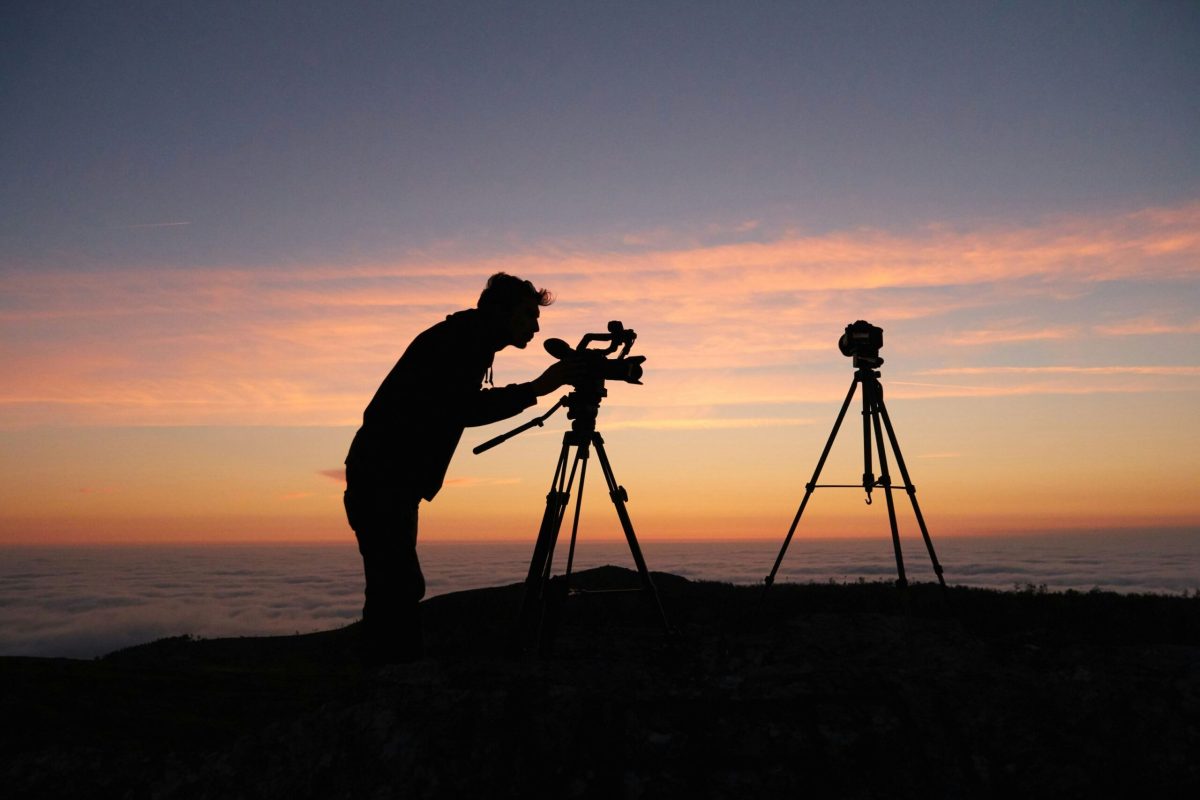
Visit your eclipse viewing location during the day. Test angles, exposure levels, and focus. Get comfortable with your phone's timer, manual exposure controls, and zoom options. Bring a tripod to eliminate shake and a timer to prevent blurry shots when light levels plummet. Small preparation now saves headaches then.
The Real Picture Is Behind You
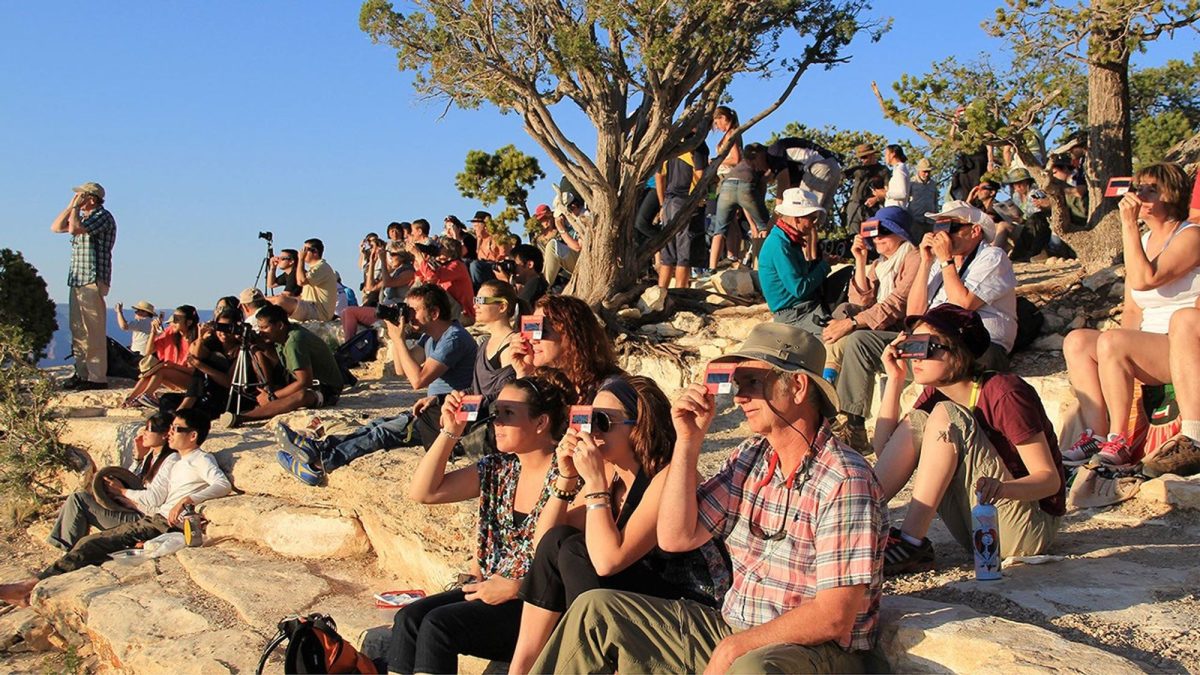
Here's the secret that separates good eclipse photos from forgettable ones: stop looking at the eclipse. NASA photographer Bill Ingalls offers this advice: "The real pictures are going to be of the people around you pointing, gawking, and watching it. Those are going to be some great moments to capture to show the emotion of the whole thing."
While everyone else crowds the viewfinder, capture the phenomenon's periphery. Snap the strange greenish light filtering through the trees. Catch the sun's reflection dancing across a pond. Photograph confused birds returning to their roosts at midday. Document your friend's awestruck face. These moments contain the true magic of an eclipse, and they're far less photographed than the moon's shadow.
Put the Phone Down and Live It
We've all been that person at a concert, filming the whole show and missing the performance. An eclipse is worse. This event lasts minutes. In some locations, totality stretches for only a few seconds. You may never see another one from your hemisphere in your lifetime. Even as you protect your camera, protect your experience more fiercely.
Take a few shots. Get the keepsakes you want. Then lower your camera and watch the sky. Feel the temperature drop. Notice the eerie quality of the light. Let the moment wash over you without a screen in between. Those memories, the ones you capture with your actual eyes, will outlast any image on your phone.