Anyone who has tried to build a hotel or open a new route knows the feeling. You have a great idea, a solid business case, and then you hit the wall of bureaucracy. Which ministry approves this? Who signs that permit? Why has this decision been pending for six months?
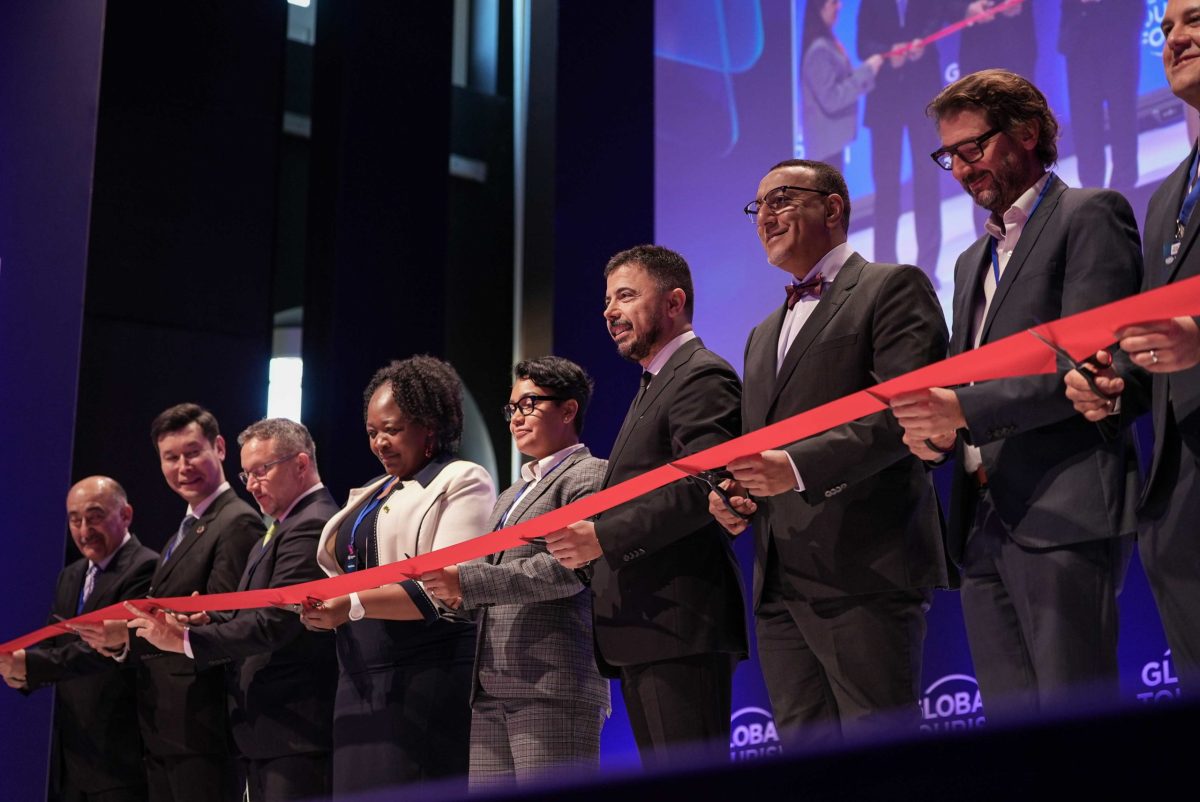
The Global Tourism Forum exists to break through that wall. Its annual meeting, held in Brussels on 9 and 10 November 2026, brought together ministers, European policymakers, diplomats, investors, and tourism operators. The theme was 'European Tourism in a Changing World', but the real work was more direct. It was about putting the people who make decisions in the same room as the people who need those decisions.
The core idea is that tourism is infrastructure. An air route can transform the investment case for an entire region. Border procedures shape where travelers go. A hotel's success depends on local suppliers and a skilled local workforce. For policymakers, these are transport, trade, and employment issues. For investors, they are all part of one calculation. The forum treats them as a single conversation.
From Handshakes to Feasibility Studies
The forum's approach has already shown results in Angola. At the Global Tourism Forum Investment Summit in Luanda in June 2026, nearly 20 memoranda of understanding were signed. Those agreements gave parties a formal basis to keep working. But the real test comes later. Can the project pass a feasibility assessment? Who will finance it? Which authority can resolve a planning obstacle?
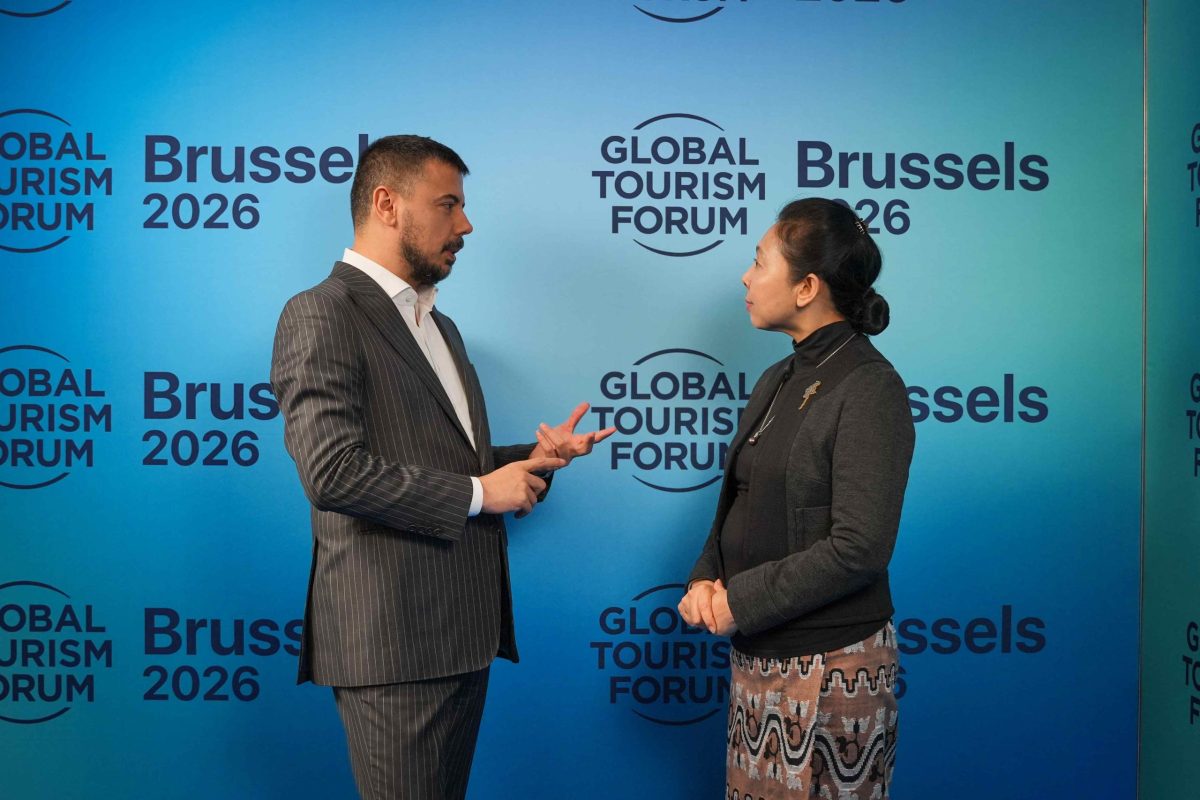
That is how the forum measures its own success. Not by the number of handshakes, but by the number of site visits, due diligence stages, and financing discussions that follow. In Brussels, some of the most productive exchanges were exactly this kind. A government heard directly why an investor had hesitated. An investor found the person responsible for a decision that had been stuck for months.
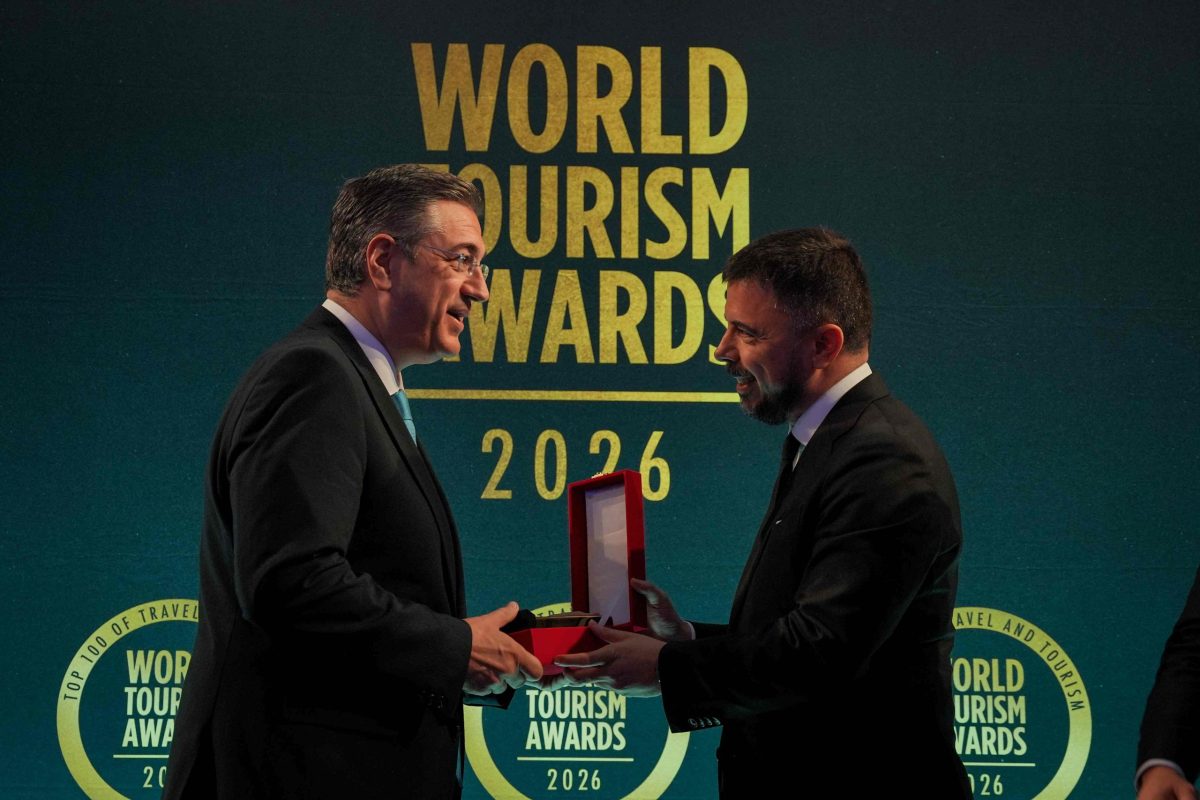
The World Tourism Awards highlighted how different investment cases can be. Mozambique was recognized for its tourism investment potential, Montenegro for mountain tourism, and Brussels for its meetings and events scene. An investor looking at a coastal project in Mozambique faces different questions about access and demand than one considering a ski resort in Montenegro. Matching the right expertise to the right opportunity starts with understanding those differences.
What Happens Next
The forum will return to Brussels in late October or early November 2027. When it does, the organizers want to hear from the people who met this year. Which projects advanced? Which decisions made that possible? Where does a government, investor, or local partner still need to act?
For travelers, this matters more than it might seem. Tourism infrastructure affects everything from flight prices to hotel availability to how easy it is to get off the beaten path. When governments and investors align, destinations get better. When they don't, projects stall and opportunities fade.
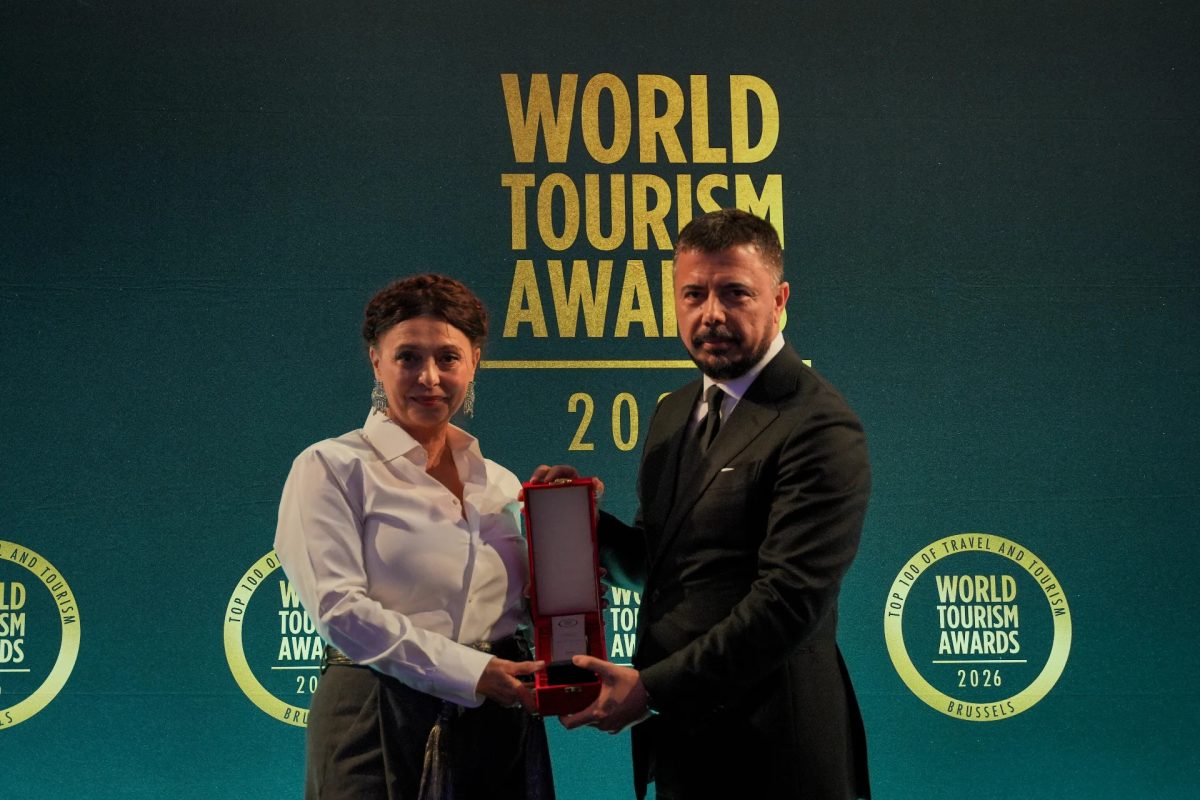
Brussels itself is a case study in how tourism can reshape a city. The Belgian capital has been investing heavily in its meetings and events sector, and it shows. For a deeper look at how the city is positioning itself, check out this story about a Brussels travel site that won big at the World Tourism Awards. And if you're flying in for the next forum, you might be interested to know that Brussels Airlines now offers free Starlink Wi-Fi on its flights.
The forum's broader message is that tourism is not just about leisure. It's about jobs, infrastructure, and long-term planning. That's why the conversation in Brussels was so focused on practical steps. The next meeting is already on the calendar for 2027. The question is which projects will be ready to move forward by then.